
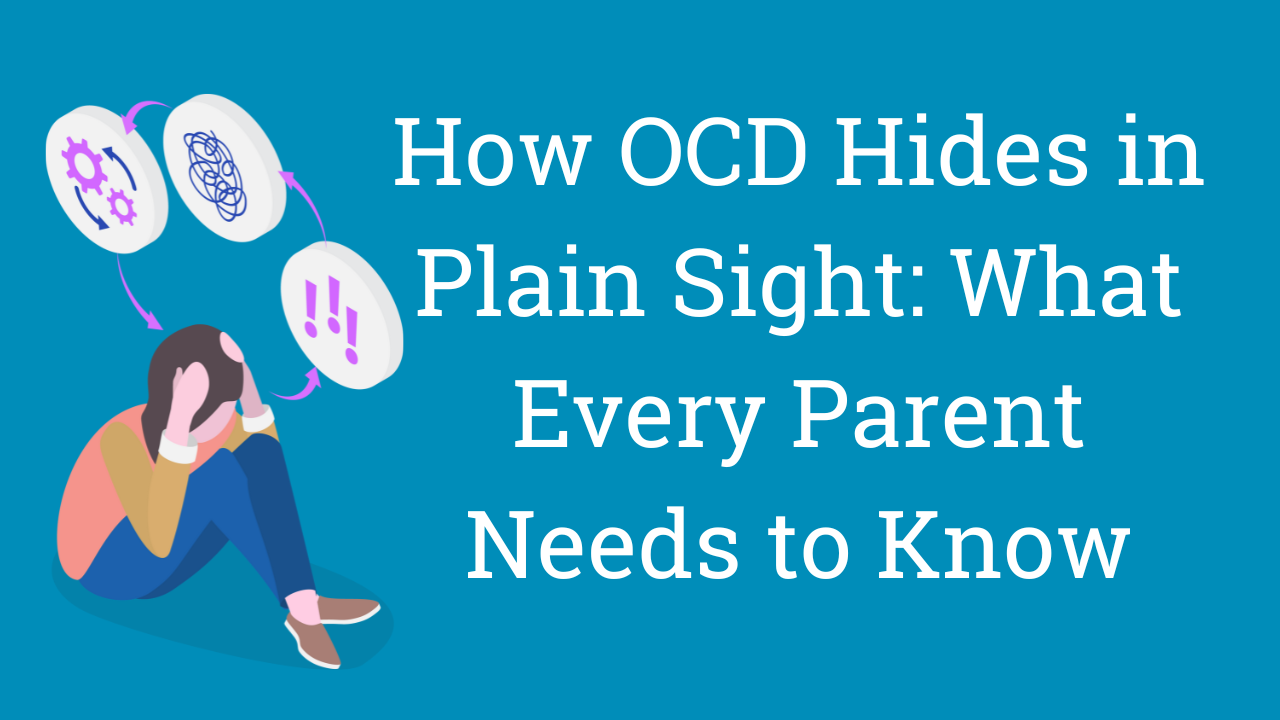
How OCD Hides in Plain Sight: What Every Parent Needs to Know
As a parent, you’re always watching out for your child—especially when something seems off. Maybe your child worries more than other kids. Maybe they ask the same questions over and over. Or maybe they have small routines that feel a little… rigid.
Many parents are unsure whether their child is struggling with anxiety, OCD, or something else entirely.
At Next Step 4 Mental Health, we regularly work with families who say: “We didn’t realize it was OCD. We thought she was just being extra careful… or he was just going through a phase.”
The truth is, OCD often hides in plain sight—and recognizing the signs early can make a huge difference.
Anxiety and OCD: Close Cousins, Not Twins
Anxiety disorders and obsessive-compulsive disorder (OCD) often look similar from the outside. Both can lead to excessive worry, avoidance, restlessness, and emotional distress.
However, while anxiety is typically centered on fear of something bad happening, OCD involves intrusive thoughts (obsessions) and/or repetitive behaviors (compulsions) aimed at reducing that distress—even when the child knows the thoughts or actions may not make logical sense.
For example:
- A child with anxiety might worry constantly about failing a test.
- A child with OCD might feel they have to tap their pencil three times before writing, believing it will prevent something bad from happening to a loved one.
Because of the overlap in symptoms — and the high rate of comorbidity — a thorough clinical assessment is important to clarify what’s really going on and guide effective treatment.
Common Signs OCD May Be Hiding in Plain Sight
Some red flags to watch for:
- Repetitive behaviors that seem excessive or rigid
- Intense distress when routines aren’t followed exactly
- Needing constant reassurance—even about things that seem small
- Unusual guilt or fear about harm coming to others
- Mental rituals (such as counting, “canceling out” thoughts, or silent repetition)
Sometimes OCD can even be mistaken for ADHD, autism, or behavioral problems—especially if the child becomes irritable, withdrawn, or perfectionistic.
Why Early Support Matters
The earlier OCD is recognized and treated, the better. Children and teens can learn healthy coping strategies and reduce compulsive behaviors with therapy—and in some cases, medication may be helpful.
At Next Step 4 Mental Health, our team includes child and adolescent psychiatrist Dr. Sofeia Aslam, who specializes in anxiety-related concerns. Her article, How to Spot the Signs of Anxiety in Kids, is a great companion resource if you’re not sure what you’re seeing.
We also offer comprehensive evaluations and therapy plans tailored to your child’s needs.
Learn more about evaluations here: Everything You Need to Know About Full Psychological Evaluations in Louisville
You’re Not Alone—And You’re Not a “Bad” Parent
Families often feel the pressure to have it all together. But mental health doesn’t discriminate—and getting help doesn’t mean you’ve failed. It means you care.
If your child is showing signs of distress, rituals, or overwhelming anxiety, we’re here to help. You don’t have to figure it out alone.
Get expert care from professionals who understand the complexities of OCD and anxiety in children.
Give us a call to learn more about our services.
About Dr. Aslam
 Dr. Aslam is from Lexington, Kentucky. She graduated from the University of Pikeville in 2018. She completed her residency and fellowship training in child and adolescent psychiatry at the University of Kentucky in 2023.
 When she’s not working, she enjoys spending time with her family, traveling, trying out new restaurants, and baking.
Areas of Specialty
Dr. Aslam specializes in child and adolescent psychiatry, anxiety, OCD, mood disorders, and ADHD.
Awards
- Outstanding Graduating Resident, June 2023
- University of Kentucky Child and Adolescent Psychiatry Chief Resident, June 2021-2022
You can now book an appointment with Dr. Aslam here.
Related Posts
Introducing the Religious OCD Blog Series: A Message from Dr. Brian Briscoe
This article is part of the Religious OCD Series....
The Impact of Religious OCD on a Believer’s Walk with Christ
This blog is part of the Religious OCD Series....