
Do You Have ADHD—or Are You Overstimulated? A Doctor Explains the Difference
More people than ever are asking:
“Do I have ADHD?”
They notice:
- Trouble focusing
- Difficulty finishing tasks
- Constant distraction
- Feeling mentally scattered
At the same time, modern life has become more stimulating than ever.
Phones, notifications, and constant input are affecting how people think and focus.
So the question becomes:
Is this ADHD—or something else?
Understanding the difference is the first step toward clarity.
Quick Answer: ADHD vs Overstimulation
ADHD is a medical condition that typically begins earlier in life, affects multiple areas of functioning, and persists over time.
Overstimulation is an environmental effect that can reduce attention and focus, often improving when distractions are reduced.
Both can look similar on the surface—but the underlying patterns are different.
A Physician’s Perspective
From a physician perspective, attention problems are common—but not all attention problems are the same.
Some are situational and related to environment.
Others reflect a consistent pattern that may be ADHD.
The goal is not to assume or self-diagnose, but to understand how symptoms show up over time and across different settings.
What Is ADHD?
ADHD (Attention-Deficit/Hyperactivity Disorder) is a neurodevelopmental condition that affects attention, impulse control, and executive functioning.
It often includes:
- Difficulty sustaining attention
- Trouble organizing or completing tasks
- Forgetfulness
- Impulsivity
ADHD is not a lack of effort. It is a difference in how the brain regulates attention and behavior.
What Is Overstimulation?
Overstimulation occurs when your brain is exposed to high levels of input—especially fast, frequent, or rewarding input.
This can come from:
- Phones and notifications
- Social media
- Multitasking
- Constant switching between tasks
Over time, this can make it harder to focus on slower or less stimulating activities.
How They Can Look Similar
Both ADHD and overstimulation can involve:
- Difficulty focusing
- Task switching
- Trouble finishing things
- Mental fatigue
- Distractibility
This overlap is why it can be confusing.
ADHD vs Overstimulation: Key Differences
| ADHD | Overstimulation |
| Often begins earlier in life | Often develops with lifestyle patterns |
| Present across multiple settings | More situational |
| Persists even when distractions are reduced | Improves when environment changes |
| Affects long-term functioning | Often fluctuates |
| Consistent pattern over time | Variable pattern |
The key difference is consistency and context.
Signs It May Be ADHD
Consider the possibility of ADHD if:
- Symptoms have been present for a long time
- Difficulties occur in multiple areas (work, home, school)
- Reducing distractions does not significantly improve focus
- You have a history of organization or follow-through challenges
- Symptoms affect performance or relationships
ADHD is often lifelong, even if it was not formally diagnosed earlier.
Signs It May Be Overstimulation
Consider overstimulation if:
- Focus is worse after heavy screen use
- You frequently switch between tasks or apps
- You feel uncomfortable when things are quiet
- You can focus better in low-distraction environments
- Your attention improves when you reduce input
Overstimulation is often reversible with changes in environment.
One Small Step to Try Today
Try a simple test:
Set aside 30 minutes to work on one task:
- No phone
- No multitasking
- No switching
Then notice:
- How difficult it feels
- How often your attention drifts
This does not diagnose anything—but it gives useful information about your attention patterns.
Why This Matters
Understanding the difference matters because the next steps are different.
- Overstimulation improves with environmental changes
- ADHD often benefits from structured evaluation and treatment
Getting this right helps you avoid both overdiagnosis and missed diagnosis.
When Should You Consider an Evaluation?
It may be helpful to consider a formal evaluation if:
- Attention problems have been present for years
- They occur across multiple settings
- They significantly affect performance or relationships
- You feel like you are consistently underperforming relative to your ability
- Self-directed changes have not helped
A structured evaluation can provide clarity and guide treatment.
Common Questions About ADHD and Attention
Can overstimulation cause ADHD?
No. Overstimulation can mimic ADHD symptoms, but it does not cause ADHD.
Can both be present?
Yes. Someone with ADHD can also be affected by overstimulation.
Is it worth getting evaluated as an adult?
Yes. Many adults are diagnosed later in life and benefit from understanding how their brain works.
What if I’m not sure?
That’s common. The goal is not to decide immediately, but to gather information and observe patterns.
What is one thing I can do today?
Try a focused, low-distraction work block and observe your attention.
Related Mental Health Topics
- Do I Have Anxiety? 7 Signs You Shouldn’t Ignore
- Burnout vs Stress: How to Tell the Difference
- Am I Depressed or Just Having a Bad Week?
- Why Sleep Matters for Mental Health
Summary
Attention problems are common—but not all attention problems are the same.
Some are driven by environment. Others reflect underlying conditions like ADHD.
The key is understanding how consistent the pattern is and how much it affects your life.
You don’t need to label it immediately.
You need to understand it clearly.
Next Step
Start by observing your attention over the next few days:
- When is it easiest to focus?
- When is it hardest?
- Does reducing distractions help?
If difficulties are persistent and widespread, consider seeking a structured evaluation.
If You Want Help Understanding This
Next Step 4 Mental Health provides physician-delivered psychiatric care for adults, adolescents, and children.
Patients are evaluated and treated directly by a physician, with a focus on clear diagnosis, practical next steps, and thoughtful treatment planning.
If you’re unsure what you’re experiencing—or if symptoms are starting to interfere with daily life—this is where structured guidance can help.
If you’d like to move forward, you can request an appointment at:
www.nextstep.doctor
Learn More
Is Your Attention Span Getting Worse? What “Brain Rot” Is Doing to Your Mind
Many people feel like their attention span is getting worse.
They notice:
- Difficulty focusing
- Constant urge to check their phone
- Trouble finishing tasks
- Feeling mentally scattered
It often gets labeled as laziness or lack of discipline.
But if you’ve been asking, “Why can’t I focus like I used to?”, the issue may not be motivation—it may be overstimulation.
Understanding how your environment affects your attention is the first step toward improving focus.
Quick Answer: Why Your Attention Span Feels Worse
Your attention span may feel worse because your brain is constantly exposed to high levels of stimulation.
Frequent switching between apps, notifications, and short-form content trains your brain to expect constant novelty.
Over time, this can make it harder to focus on slower, more sustained tasks.
A Physician’s Perspective
From a physician perspective, attention problems can have multiple causes.
The goal is not to assume, but to understand the pattern clearly.
When attention becomes harder to sustain, it is often a signal that something in your environment, habits, or underlying functioning needs to be addressed.
What Is “Brain Rot”?
“Brain rot” is a non-medical term used to describe the effects of constant digital overstimulation.
It reflects a pattern of:
- Reduced attention span
- Increased distractibility
- Difficulty tolerating boredom
- Frequent task-switching
This is not a formal diagnosis, but it describes a real and increasingly common experience.
Common Signs of Overstimulation
1. Difficulty Sustaining Attention
You start tasks but struggle to stay with them.
2. Frequent Task Switching
You move quickly between apps, tasks, or tabs without finishing.
3. Low Tolerance for Boredom
Even brief periods of inactivity feel uncomfortable.
4. Constant Phone Checking
You feel an urge to check your phone even without a clear reason.
5. Reduced Productivity
Tasks take longer than expected or feel harder to complete.
6. Mental Fatigue
You feel mentally tired despite not completing much.
7. Difficulty Completing Tasks
You may start multiple things but finish few.
Attention Problems vs Overstimulation
| Overstimulation | Attention Disorder |
| Triggered by environment | More persistent across settings |
| Improves when stimulation is reduced | Often present even when distractions are minimized |
| Linked to device use and multitasking | Often begins earlier in life |
| Situational | More consistent pattern over time |
Some attention problems are driven by environment, while others reflect a more persistent pattern. The key is understanding how consistent and widespread the difficulty is.
When Attention Problems May Be ADHD
Not all attention problems are caused by overstimulation.
ADHD is a medical condition that typically:
- Begins earlier in life
- Affects multiple settings (home, school, work)
- Persists even when distractions are reduced
If attention difficulties have been longstanding, are present across different environments, and significantly affect daily functioning, it may be appropriate to consider an evaluation.
Recognizing ADHD early can lead to effective treatment and meaningful improvement.
One Small Step to Try Today
Try a 30-minute low-stimulation block.
- Choose one task
- Put your phone away
- Eliminate distractions
- Work on that task only
No multitasking. No switching.
This helps retrain your brain to tolerate sustained focus.
Why This Works
Your brain adapts to what it practices.
If you practice distraction, you get better at distraction.
If you practice sustained attention, you rebuild that ability.
Boredom is not a problem—it is part of how attention resets.
Common Mistakes That Worsen Attention
1. Constant Multitasking
Switching tasks reduces focus and increases mental fatigue.
2. Frequent Notifications
Interruptions prevent sustained attention.
3. Short-Form Content Overuse
Rapid, high-reward content trains the brain to expect constant stimulation.
4. Expecting Immediate Focus
Attention improves gradually, not instantly.
When Should You Take This Seriously?
Consider addressing your attention more directly if:
- You consistently struggle to finish tasks
- Your productivity is declining
- You feel mentally scattered most days
- You rely heavily on constant stimulation
- You feel unable to focus even when needed
If these difficulties are longstanding, occur across multiple areas of life, or significantly affect functioning, further evaluation may be helpful.
Common Questions About Attention and Overstimulation
Is “brain rot” a real diagnosis?
No. It is a popular term, but it reflects real patterns of overstimulation and reduced attention.
Can attention improve?
Yes. Attention can improve with changes in environment and habits.
How long does it take to improve focus?
Some improvement can happen quickly, but consistent changes over time lead to the best results.
How do I know if this could be ADHD?
If attention problems have been present for a long time, occur in multiple areas of life, and significantly affect performance or relationships, it may be helpful to consider an evaluation.
What is one thing I can do today?
Try a 30-minute low-stimulation block with one task and no distractions.
Related Mental Health Topics
- Do I Have Anxiety? 7 Signs You Shouldn’t Ignore
- Burnout vs Stress: How to Tell the Difference
- Am I Depressed or Just Having a Bad Week?
- Why Sleep Matters for Mental Health
Summary
Many people feel like their attention span is getting worse—not because of a lack of effort, but because of constant overstimulation.
At the same time, some attention problems reflect more persistent patterns that may require further evaluation.
The key is recognizing how consistent and widespread the difficulty is.
Your brain adapts to what it practices.
If you reduce stimulation and practice sustained focus, your attention can improve.
You don’t need to fix everything. You need to take the next small step.
Next Step
Start with one focused block today:
- 30 minutes
- One task
- No phone
- No multitasking
Notice how it feels.
Then repeat it tomorrow.
If attention problems persist across different areas of your life, consider seeking a structured evaluation.
If You Want Help Understanding This
Next Step 4 Mental Health provides physician-delivered psychiatric care for adults, adolescents, and children.
Patients are evaluated and treated directly by a physician, with a focus on clear diagnosis, practical next steps, and thoughtful treatment planning.
If you’re unsure what you’re experiencing—or if symptoms are starting to interfere with daily life—this is where structured guidance can help.
If you’d like to move forward, you can request an appointment at:
Learn More
ADHD or Anxiety? Untangling the Overlap for Women
Can’t remember why you walked into the room—again? Feel like your mind’s always in overdrive, yet somehow never quite lands on what it’s supposed to? If you’re a woman juggling work, family, and expectations, you may have started to wonder: Is this anxiety? ADHD? Both? And why does it feel like nobody else is struggling quite this much?
You’re not imagining things—and you’re not alone. Many women, especially in mid-life, begin to notice difficulties with focus, forgetfulness, restlessness, or an undercurrent of worry that just won’t quit. Often, these symptoms overlap between ADHD and anxiety, and it’s easy to feel unsure of what’s really going on.
In this article, we’ll explore how these two conditions can mimic, mask, or intensify each other—especially in women. More importantly, we’ll talk about how to find clarity, and why there’s every reason to be hopeful.
Why It’s So Hard to Tell the Difference
ADHD and anxiety are distinct, but they share a lot of surface symptoms: distractibility, racing thoughts, trouble finishing tasks, irritability, sleep issues. It’s not uncommon for someone to walk into a mental health evaluation, certain they have one, only to find they actually have both—or that their struggles were misattributed all along.
One key difference lies in what’s driving the distraction. Anxiety tends to fill your mind with worry: “What if I said the wrong thing? Did I forget to follow up? What if I fail?” With ADHD, your mind may drift because it’s simply hard to stay engaged or organized—even if nothing is stressing you out in the moment.
Both can be frustrating, exhausting, and isolating. And unfortunately, women are more likely to be misdiagnosed or overlooked altogether, especially if their symptoms don’t fit the “typical” (often male) presentation of ADHD.
What ADHD Often Looks Like in Women
Women with ADHD often fly under the radar. Instead of hyperactivity, they might experience:
- Mental clutter: A brain that never seems to slow down, bouncing from one thought to the next.
- Forgetfulness: Missed appointments, lost items, conversations that drift before they’re done.
- Time blindness: Struggling to estimate how long things will take—or remember how long you’ve already been doing something.
- Emotional intensity: Feeling things deeply, and sometimes reacting quickly, even when you wish you wouldn’t.
- Chronic self-doubt: The sense that you’re always a step behind, no matter how hard you try.
Many women with ADHD become experts at compensating. They build elaborate systems, checklists, or routines to hold it all together. From the outside, it might look like they have it all under control. On the inside, it feels like they’re barely holding on.
How Anxiety Shows Up Differently in Women
While anxiety is more widely recognized, it’s not always understood well—especially when it shows up in high-achieving women who appear “fine.” Anxiety might include:
- Constant worry and second-guessing.
- Tension and restlessness that you carry in your body, even when nothing seems “wrong.”
- Perfectionism that isn’t about excellence—it’s about trying to prevent anything bad from happening.
- Irritability, exhaustion, or guilt—often from juggling too many roles or trying to meet impossible expectations.
In many women, anxiety becomes a quiet, internal pressure—rarely visible to others, but always humming in the background.
When You Have Both
ADHD and anxiety often travel together. Sometimes, anxiety develops as a response to undiagnosed ADHD. For example, if you’ve spent years missing deadlines, forgetting things, or feeling scattered, it makes sense that you’d start to worry constantly. You may have learned to expect negative feedback or disappointment—and now live in fear of the next mistake.
On the other hand, chronic anxiety can make it hard to concentrate, leading to ADHD-like symptoms. You might re-read the same email several times because your mind keeps jumping to something else. Over time, it becomes hard to tell what’s driving what.
Understanding that these conditions can co-exist—and influence each other—is a crucial part of building a treatment plan that works.
How to Move Toward Clarity
Sorting this out isn’t something you need to do on your own. A thoughtful, comprehensive evaluation with a qualified mental health professional can help you understand what’s underneath the symptoms you’re experiencing. This isn’t about putting you in a box or assigning a label—it’s about gaining insight into the patterns that have shaped your day-to-day life, so that you can make decisions with more clarity and compassion.
A good evaluation includes more than just a questionnaire. It should consider your life story, your strengths, your challenges, and how your symptoms have changed over time. It’s a conversation—not a checklist—and one that can open the door to real relief.
Treatment Can Be Life-Changing
Whether you’re dealing with ADHD, anxiety, or both, treatment can make a meaningful difference. That might include:
- Therapy, which can help you learn skills to manage thoughts, reduce overwhelm, and respond differently to stress.
- Lifestyle changes like improving sleep, building structured routines, and using technology to stay organized.
- Medication in some cases, if appropriate, to support focus or reduce chronic anxiety.
- Education and support, so you can better understand how your brain works—and stop blaming yourself.
Treament isn’t about “fixing” you. It’s about giving you tools to work with your brain instead of fighting it. Many women report a profound sense of relief when they realize they’re not lazy, flaky, or “too sensitive”—they just have a brain that’s wired differently.
You’re Not Broken—and You’re Not Alone
If you’ve spent years trying to figure out why everything feels harder than it should, wondering why you can’t just “get it together” like everyone else seems to—please know this: it’s not a character flaw. And you’re not the only one.
There are real explanations. And more importantly, there is real help.
The path forward starts with understanding. From there, you can build a plan that supports you—your brain, your life, and your goals. Whether that means learning new skills, setting better boundaries, or simply being kinder to yourself on tough days, the result is the same: more calm, more clarity, more hope.
Whatever it is you’re facing, you don’t have to figure it all out on your own. There are people who understand—and there are steps you can take today.
We’re here when you need us. For questions, click here to get started.
Learn More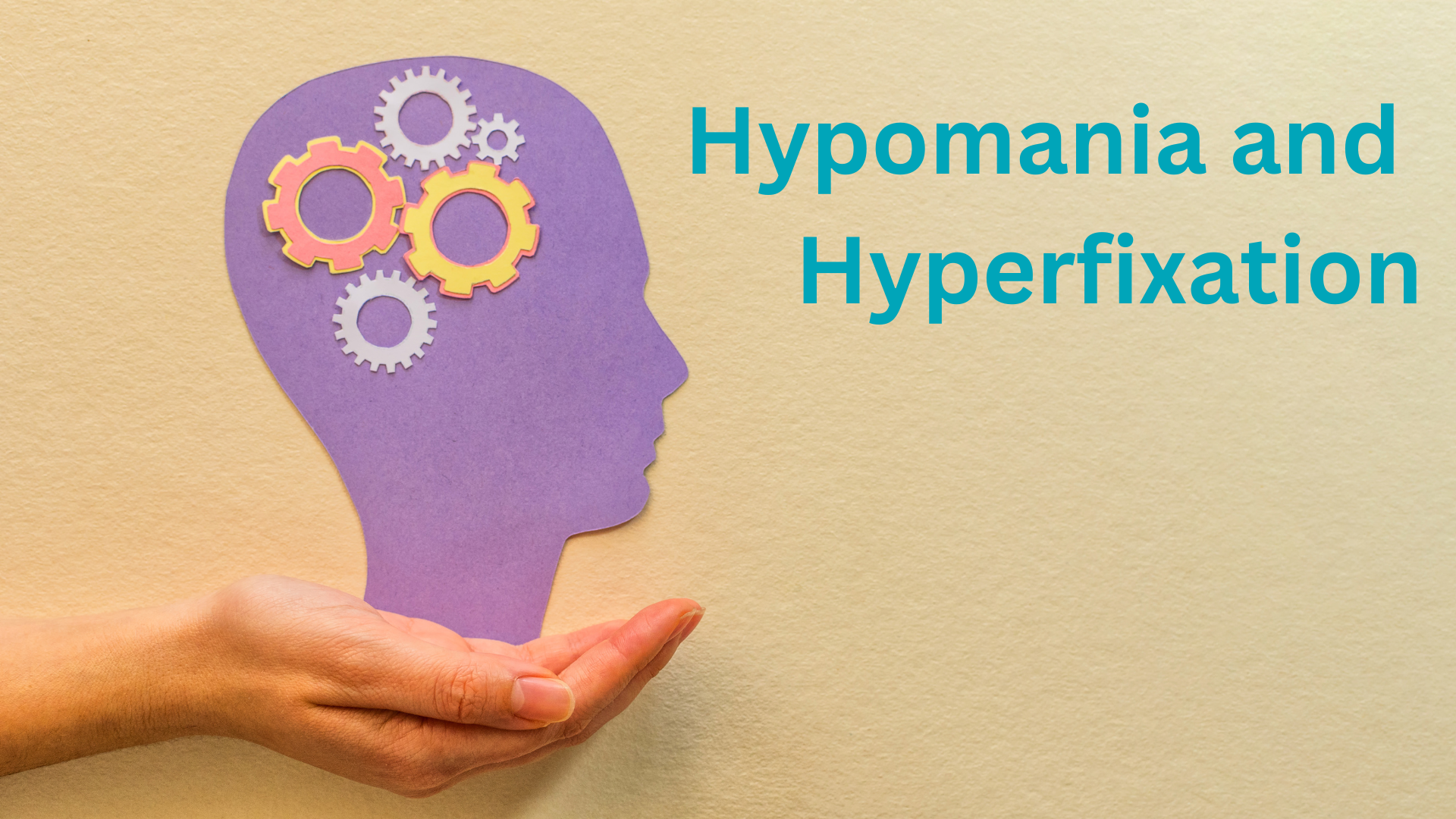
Hypomania and Hyperfixation: What’s the Difference?
Mental health conditions can manifest in various ways, and two related concepts that often come up in discussions about mental health are hyperfixation and hypomania. Hyperfixation is an intense preoccupation with a particular object, activity, or topic, while hypomania is a state of elevated mood and energy that is less severe than full-blown mania.
While both hyperfixation and hypomania can have a significant impact on a person’s life, they are distinct phenomena that are associated with different underlying conditions.
In this blog post, we will explore the similarities and differences between hyperfixation and hypomania, as well as their respective causes, symptoms, and treatments. Whether you or someone you know is struggling with hyperfixation or hypomania, understanding these concepts is an important step in seeking the right help and support for optimal mental health.
Are Hyperfixation and Hypomania the Same Thing?
No, they are not.
Hypomania is a specific syndrome that occurs in patients with bipolar disorder and is characterized by a period of at least four consecutive days during which a person experiences persistently elevated, expansive, or irritable mood and abnormally and persistently increased activity or energy.
Hyperfixation is a phenomenon that can occur in various mental health conditions. For instance, people with OCD can become hyperfixated on a specific obsession, individuals with generalized anxiety disorder may become hyperfixated on worries about the future, and those with PTSD or complex trauma can become hyperfixated on intrusive memories from the past.
Additionally, people with ADHD may become hyperfixated on projects they are highly interested in, while individuals with severe mental illnesses such as psychosis may become hyperfixated on a specific delusion.
In other words, it is clear that hyperfixation and hypomania are not the same thing.
Similarities between Hyperfixation and Hypomania
Hyperfixation and hypomania share some similarities in that they both involve a heightened state of focus and energy. In both cases, a person may feel driven to pursue a particular interest or activity, often to the point of neglecting other responsibilities or obligations.
Differences between Hyperfixation and Hypomania
However, there are also important differences between the two. Hyperfixation is not necessarily accompanied by changes in mood or energy level, whereas hypomania is a distinct state of elevated mood and activity. Hypomania is also a symptom of bipolar disorder, whereas hyperfixation may be seen in a range of conditions, including ADHD or Obsessive-Compulsive Disorder (OCD).
It is important to note that while hyperfixation may be a symptom of certain conditions, it is not itself a medical diagnosis. Hypomania, on the other hand, is a clinical syndrome that requires immediate evaluation and treatment by a mental health professional.
Hyperfixation refers to a strong and intense fixation on a particular object, activity, or topic, to the point where it becomes difficult to focus on anything else. Hypomania, on the other hand, is a symptom of bipolar disorder and refers to a state of elevated mood, energy, and activity that is less severe than full-blown mania. People experiencing hypomania may feel overly confident, euphoric, and impulsive, and may engage in reckless behavior, such as overspending, gambling, or sexual promiscuity.
How Are They Treated?
If you notice signs of hypomania or hyperfixation in yourself or someone you know, it is important to seek professional help. Here at NextStep2MentalHealth, our multidisciplinary team can assess the situation, provide an accurate diagnosis, and recommend an appropriate course of treatment.
For hypomania, treatment may include medication, therapy, or a combination of both. The specific treatment plan will depend on the severity of the symptoms, the underlying cause, and other individual factors. It is important to note that hypomania can escalate into full-blown mania if left untreated, which can have serious consequences on a person’s life and well-being.
For hyperfixation, treatment will depend on the underlying condition. For example, if hyperfixation is a symptom of ADHD, treatment may involve lifestyle modifications, therapy, medication, or a combination of both to help manage symptoms and improve daily functioning. If hyperfixation is a symptom of OCD, treatment may involve exposure and response prevention therapy, medication, or a combination of both.
It is crucial to seek help as soon as possible if you or someone you know is experiencing symptoms of hypomania or hyperfixation. Early intervention can lead to more effective treatment outcomes and a better quality of life.
We’re Here for You
If you are struggling with any sort of mental health issues — whether that’s signs of hyperfixation or signs of hypomania, seeking help from a mental health professional can make a significant difference in your life. Here at NextStep2MentalHealth, we understand that seeking help can be challenging, but we are here to support you every step of the way.
Our experienced mental health professionals provide a safe and supportive environment for you to explore your thoughts and feelings, develop coping strategies, and work towards your mental health goals. Don’t hesitate to reach out to us for help – we are here for you. Schedule your appointment here.
Learn More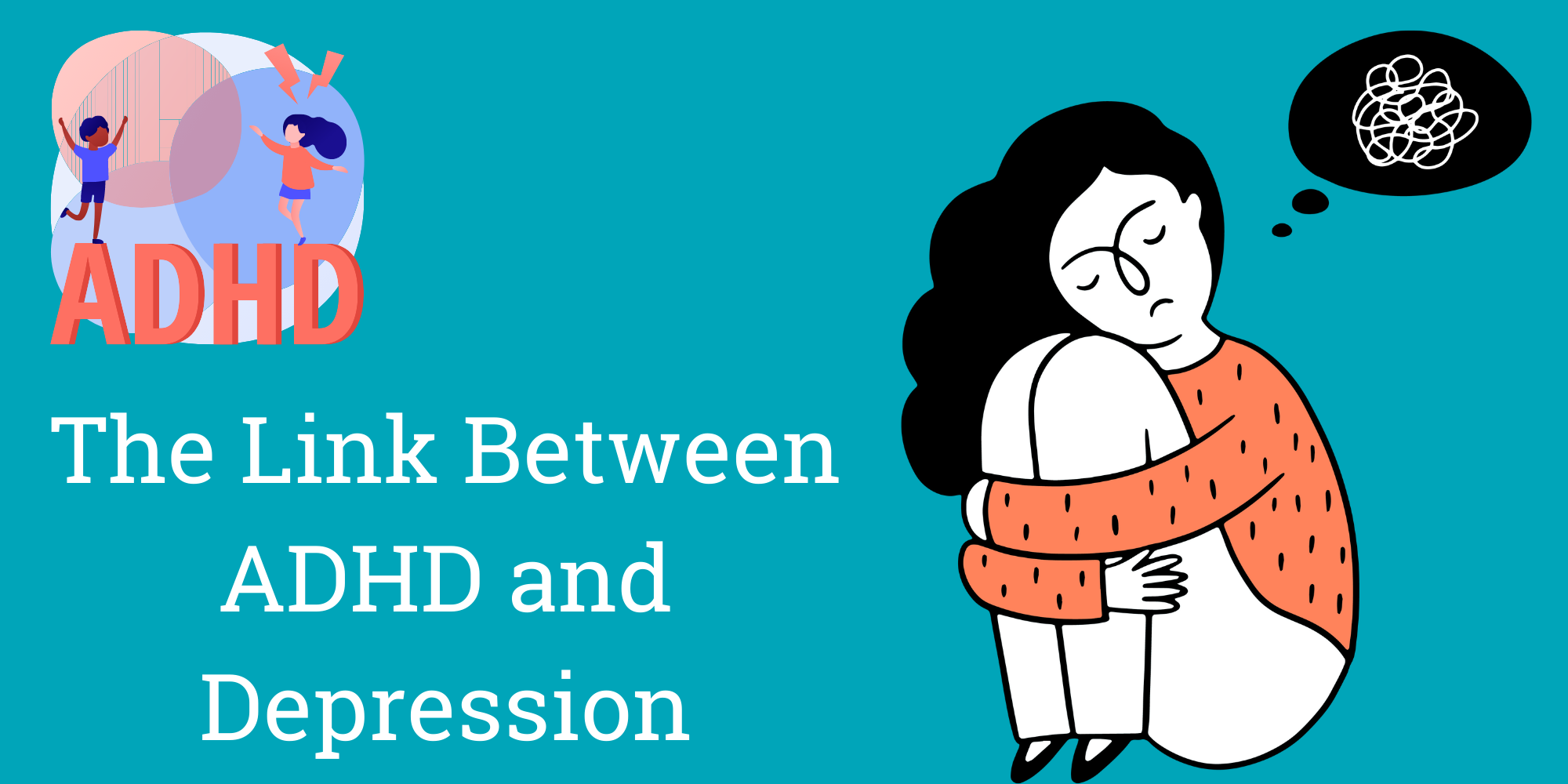
ADHD and Depression Connection
There are many types of depression: major depression, postpartum depression, bipolar depression, and seasonal affective disorder. Not only are there many types of depression, but depression can also occur at the same time as other mental health conditions. It’s very common for those with anxiety or ADHD to also have depression. This is called comorbidities.
Here at NextStep2MentalHealth, our multidisciplinary team of experts excel at diagnosing and treating comorbidities, including ADHD and depression.
In this article, we take a closer look at the ADHD and depression connection.
The ADHD and Depression Connection
Here are a few quick facts from the video:
- 30% of those with ADHD experience depressive episodes
- Dopamine is responsible for reward systems, mood, and those with ADHD may not have access to as much dopamine
- This leads to the potential feeling like “you’re running on half a tank”
- Those with ADHD may struggle more with emotional dysregulation, which means it can take longer to soothe after difficult emotions
Dopamine is a type of neurotransmitter, and it’s often called the “feel good” hormone. Your body makes it, and your nervous system uses it to send messages between nerve cells. Low levels of dopamine may contribute to feelings of depression.
Do You Have Depression?
If you have ADHD, you might also suspect you have depression if you can’t shake intense sad feelings, notice changes to your eating and sleeping routine, feel worthless or guilt, and lose passion for your favorite hobbies.
You can learn more about depression in these resources:
- How Untreated Depression Can Impact Your Health
- Teen Depression: What to Look For and How to Help
- 32 Ways to Help Someone with Depression (When They Don’t Want to Talk About It)
- 8 Risk Factors for Depression
- Do You Have Depression or Seasonal Affective Disorder?
- Overcoming the Negative Self-Talk Cycles of Depression
- 6 Uncommonly Thought Of Depression Symptoms That Shouldn’t Go Unnoticed
Treating ADHD and Depression

If you have both ADHD and depression, you need treatment that addresses the complexities of each condition. For example, you may benefit from strategies that promote emotional regulation. Other treatments for both ADHD and depression include:
- Medication (depression and ADHD both benefit from different types of medication)
- Lifestyle modifications, including regular exercise, good sleep hygiene, eating a balanced diet, and practicing stress management techniques
- Therapy
What to Do If You Think You Have Depression
With the right treatment, you can manage the symptoms of both of these conditions. Here at NextStep2MentalHealth, our team of experienced providers is skilled at diagnosing and treating many types of depression, including major depression, seasonal depression, and postpartum depression as well as adult and child ADHD.
If you’d like to make an appointment with our compassionate and knowledgeable providers, click here to make a telehealth or in-person appointment in our Louisville, Kentucky office. You can also call us at 502-339-2442.
Learn More
Is ADHD real?
ADHD is a biological illness involving deficits in the function of the prefrontal cortex and related neuronal pathways involved in processing…
Learn More
What is Mental Health?
Mental health is the state of well-being in which people understand their own potential, are capable of dealing with life’s stresses and challenges,
Learn MoreADHD in High Functioning Adults
One common fallacy about ADHD is that high functioning adults can’t possibly have ADHD. Many people assume that adults with ADHD are incapable of…
Learn More