

Is Your Mood As Changeable As The Kentucky Weather? Understanding Bipolar Disorder In Spring
If you’ve ever spent time in Kentucky, you know the joke: if you don’t like the weather, wait five minutes. One minute it’s sunny, the next it’s storming.
For people living with bipolar disorder, mood changes can sometimes feel just as unpredictable, especially during seasonal transitions like spring.
While many people feel a lift in mood as days get longer, spring can also trigger significant mood shifts for individuals with bipolar disorder. In fact, research shows that mania symptoms can peak in spring.
Understanding why this happens—and recognizing the signs early—can help you or a loved one get the support you need.
At Next Step 4 Mental Health, our team helps patients identify mood patterns, stabilize symptoms, and build a treatment plan that supports long-term emotional wellness.
Why bipolar symptoms can flare in spring

Seasonal changes affect more than just the weather. They influence your brain chemistry, sleep patterns, and circadian rhythm, all of which play a major role in mood regulation.
For individuals with bipolar disorder, several springtime factors can trigger symptoms:
Increased daylight
Longer days can disrupt the body’s natural sleep-wake cycle. Changes in circadian rhythm can trigger manic or hypomanic episodes in people with bipolar disorder.
Sleep disruption
Spring activities, travel, or simply more sunlight in the evening can reduce sleep. Even small sleep changes can destabilize mood.
Changes in brain chemistry
Sunlight influences serotonin and dopamine levels. These shifts may elevate mood rapidly in some individuals, potentially triggering mania.
Seasonal energy changes
Spring often brings a surge of energy and activity. While this can feel positive at first, it may intensify impulsivity, racing thoughts, or emotional instability for someone with bipolar disorder.
Signs bipolar symptoms may be worsening
Mood shifts can sometimes be subtle at first. Recognizing early warning signs can make a big difference in preventing a full mood episode.
Watch for symptoms such as:
Signs of mania or hypomania
- Feeling unusually energized or “wired”
- Decreased need for sleep
- Racing thoughts or rapid speech
- Increased irritability
- Risky or impulsive decisions
- Unusually high confidence or grand ideas
Click here to learn more about hypomania in the spring here.
Signs of bipolar depression
- Persistent sadness or emptiness
- Loss of interest in activities
- Fatigue or low motivation
- Difficulty concentrating
- Changes in appetite or sleep
- Feelings of hopelessness
If mood swings begin interfering with work, relationships, sleep, or daily functioning, it may be time to seek professional support.
When to reach out for help
Bipolar disorder is highly treatable, but early care matters. Many people wait too long to seek help because they assume their symptoms are simply stress or seasonal mood changes.
Consider reaching out if you notice:
- Mood swings that feel extreme or difficult to control
- Periods of unusually high energy followed by crashes
- Trouble sleeping for several days in a row
- Impulsive decisions that feel out of character
- Mood changes that disrupt work, school, or family life
Getting the right diagnosis and treatment plan can dramatically improve quality of life.
How Next Step can help
At Next Step 4 Mental Health, we specialize in evaluating and treating mood disorders, including bipolar disorder.
Our team provides:
Comprehensive psychiatric evaluations
A thorough assessment helps determine whether symptoms are related to bipolar disorder or another mood condition.
Personalized treatment plans
Treatment may include medication management, therapy, or lifestyle strategies to stabilize mood and prevent episodes.
Ongoing support and monitoring
Regular follow-ups help ensure treatment stays effective as your needs change.
Care for teens and adults
Our team of clinicians works with individuals across different life stages to support long-term mental wellness.You don’t have to navigate mood changes alone. With the right support, bipolar disorder can be managed successfully.
Get help for bipolar disorder in Louisville, Kentucky
If your mood feels as unpredictable as spring weather, it may be time to talk with a mental health professional.
The team at Next Step 4 Mental Health is here to help you understand your symptoms and build a path toward balance, stability, and well-being.
Related Posts

What is Bipolar Disorder?
One of the most dangerous aspects is that multiple untreated manic or hypomanic...
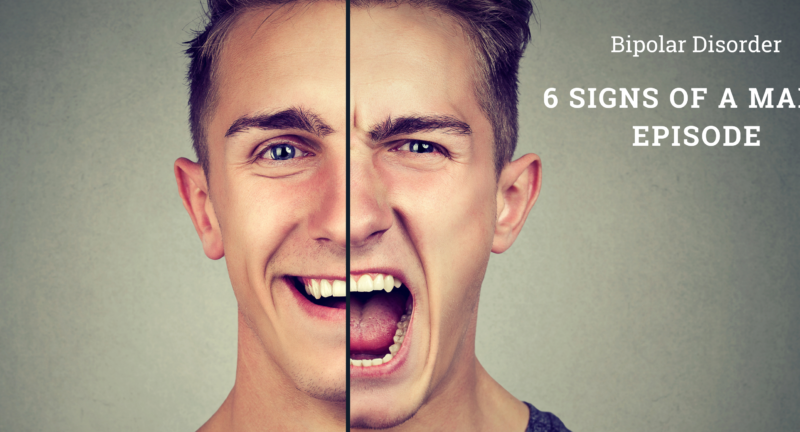
What Is a Manic Episode?
Bipolar disorder affects 4.4% of all adults at some point throughout their life,...