
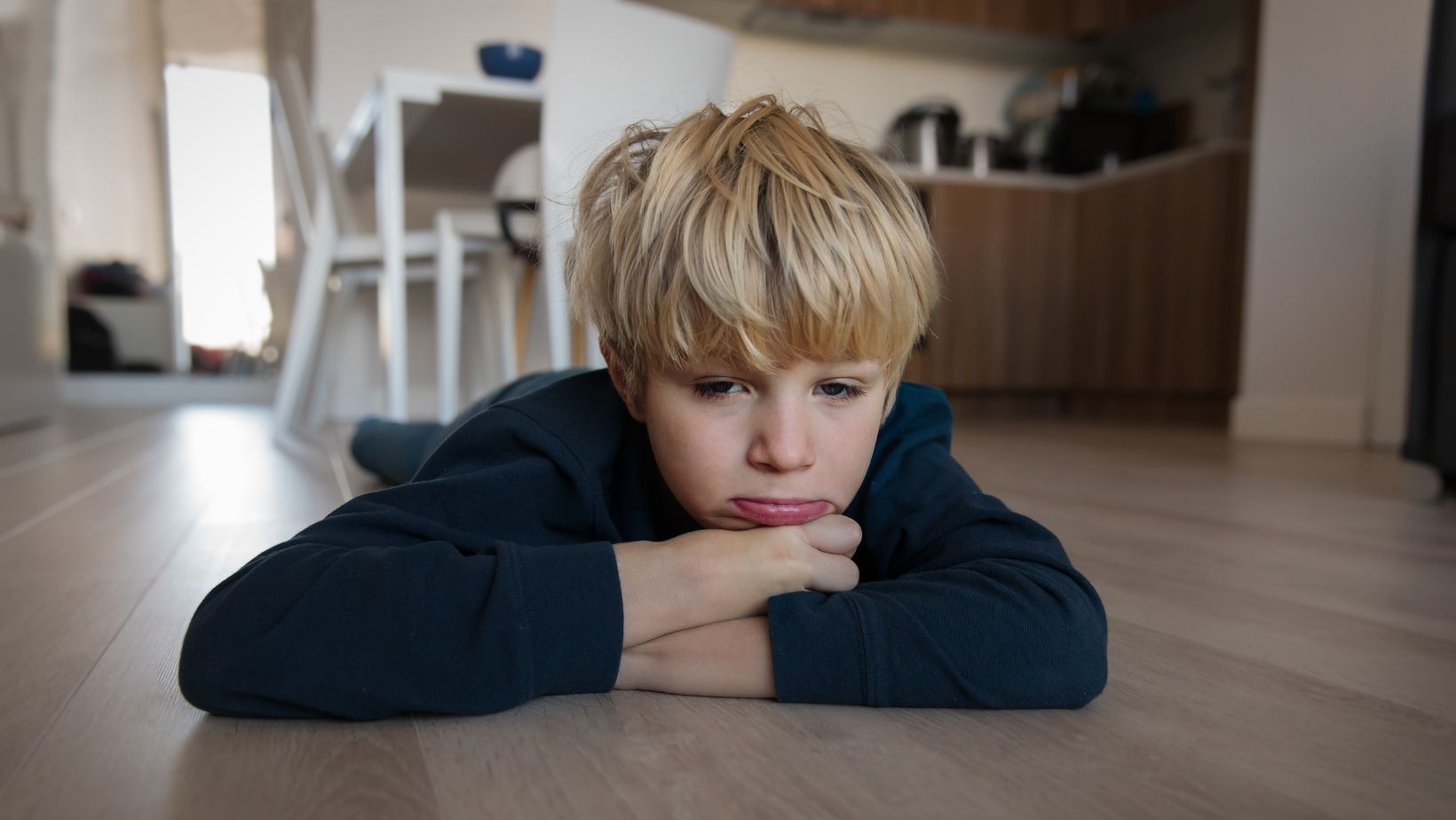
9 Surprising Ways Anxiety Shows Up in Kids
Anxiety in kids is like an iceberg: what you see is often just a fragment of what’s beneath the surface, and that’s especially true for children. While many parents might associate anxiety with intense worry (because that’s part of it), the reality is that anxiety can cause many different behavioral issues and feelings in children.
Below, we’ll take a look at nine surprising ways that anxiety can show up in kids.

1. Trouble Falling Asleep and Staying Asleep
Anxiety and sleep problems are connected in a vicious circle. Anxiety can contribute to sleep problems, and sleep problems can make anxiety worse. Difficulty falling asleep and/or staying asleep is a classic sign of anxiety in kids. For children with anxiety, an anxious train of thought can keep your little one awake long after bedtime. Some kids even have anxiety about waking up late, missing their alarm or school bus, feeling tired in the morning, or other school-related events.
Tip: Always practice good sleep hygiene and consider using warm-colored lights around bedtime.
2. Anger and Irritability
Anxiety in children happens when there is:
- A perceived threat (e.g., a school project or an upcoming date)
- An underestimation of coping skills (e.g., “I will never pass this math test.”).
The combination of perceived threats and underestimating coping skills leads to feelings of helplessness, and in many cases, helplessness leads to frustration, which leads to anger.
Interestingly, both anger and anxiety are activated in your amygdala. Your amygdala is the “threat center” of your brain. If your child’s brain perceives a threat (even if it’s overestimated), his or her amygdala activates the flight-or-fight response. This creates a flood of hormones designed to make you stronger and faster. While this helps us flee or fight against threats, it creates issues when the anxiety is chronic. The flight-or-fight response creates rapid heart rate, rapid breathing, and can make you feel on edge.
It’s possible that remaining in this state for a prolonged time can lead to irritability, agitation, and anger.
3. Defiance
A child with anxiety often feels like his or her life is out of their control. This can lead to your child trying to regain control in any way that he or she can. For example, this could explain a sudden outburst over a red jacket instead of the blue jacket.
4. Chandeliering
Chandeliering is “pushing the hurt down until one day it’s all unleashed at once in a fit of rage (shooting that person up to the chandelier). [Brené Brown]
Sometimes children try to hide anxious feelings, especially if they don’t know how to talk about it. Chandeliering happens when a child has a seemingly out-of-nowhere tantrum or outburst. It may seem out of place, but in reality, the child has been hiding anxious feelings until they all bubbled up over the top.
5. Lack of Focus
Inability to focus is often linked with ADHD, but ADHD isn’t the only mental health condition that can contribute to difficulty focusing. Children with anxiety can also struggle to focus both at home and at school.
6. Avoidance
“I don’t want to go.” Has your child ever said he or she didn’t want to go to school? Or maybe they suddenly don’t want to attend a sporting event? Avoidance can be another sign of anxiety. Avoidance can create bigger problems though. For example, if your child is trying to avoid schoolwork, the continual procrastination can create more trouble when all of the homework builds up. This can lead to even more anxiety about the sheer amount of catchup work.
7. Overplanning
Overplanning can show up as questions. For example, if your child is invited to a birthday party, he may plan what gift to bring, but he may also ask:
- Who else will be there?
- What will they do when they are at the party?
- What time will you be back to pick up him?
- What food will be served?
Overplanning is a coping mechanism to help ease anxiety, and it’s a way that your child tries to find control.
8. Negativity
Anxiety can create negative thoughts, including:
- I can’t do this
- I’ll never pass my history test
- I’m too shy to do this
- I’m not good enough for this
9. Change in Eating Habits
Is your child suddenly nibbling at their food? Anxiety can cause physical symptoms, such as upset stomach, headaches, etc. This can make your child lose his normal appetite.
Treating Anxiety in Kids
Anxiety disorders can be treated, and the right treatments can restore your child’s quality of life. Common treatments for pediatric anxiety include talk therapy, play therapy, counseling for the family, and in some cases, medication.
NextStep2MentalHealth provides pediatric mental health care, and our multidisciplinary team is dedicated to helping parents and their children with their mental health needs. Call us for an appointment or simply use our online scheduling tool.
Related Posts

5 Easy Ways to Prepare Your Child for a Telehealth Visit
Is your child new to telemedicine? Here at Next Step 2 Mental Health, we are...
Does Your Child Have Separation Anxiety?
Separation anxiety tends to appear in infants around the age of 6-10...