logologologo


502-339-2442


CONTACT US

  • Home
  • About
    • About Us
    • Our Approach
  • Our Team
    • Expert Care Team
    • Testimonials
  • Services
  • Telehealth
  • Next Step Blog
  • Refill Request
  • Request Appt
    • Current Patients
    • New Patient (Adult)
    • New Patient (Under 18)
  • Contact Us
logologologo


502-339-2442


CONTACT US

  • Home
  • About
    • About Us
    • Our Approach
  • Our Team
    • Expert Care Team
    • Testimonials
  • Services
  • Telehealth
  • Next Step Blog
  • Refill Request
  • Request Appt
    • Current Patients
    • New Patient (Adult)
    • New Patient (Under 18)
  • Contact Us
  • Home
  • About
    • About Us
    • Our Approach
  • Our Team
    • Expert Care Team
    • Testimonials
  • Services
  • Telehealth
  • Next Step Blog
  • Refill Request
  • Request Appt
    • Current Patients
    • New Patient (Adult)
    • New Patient (Under 18)
  • Contact Us
featured_image

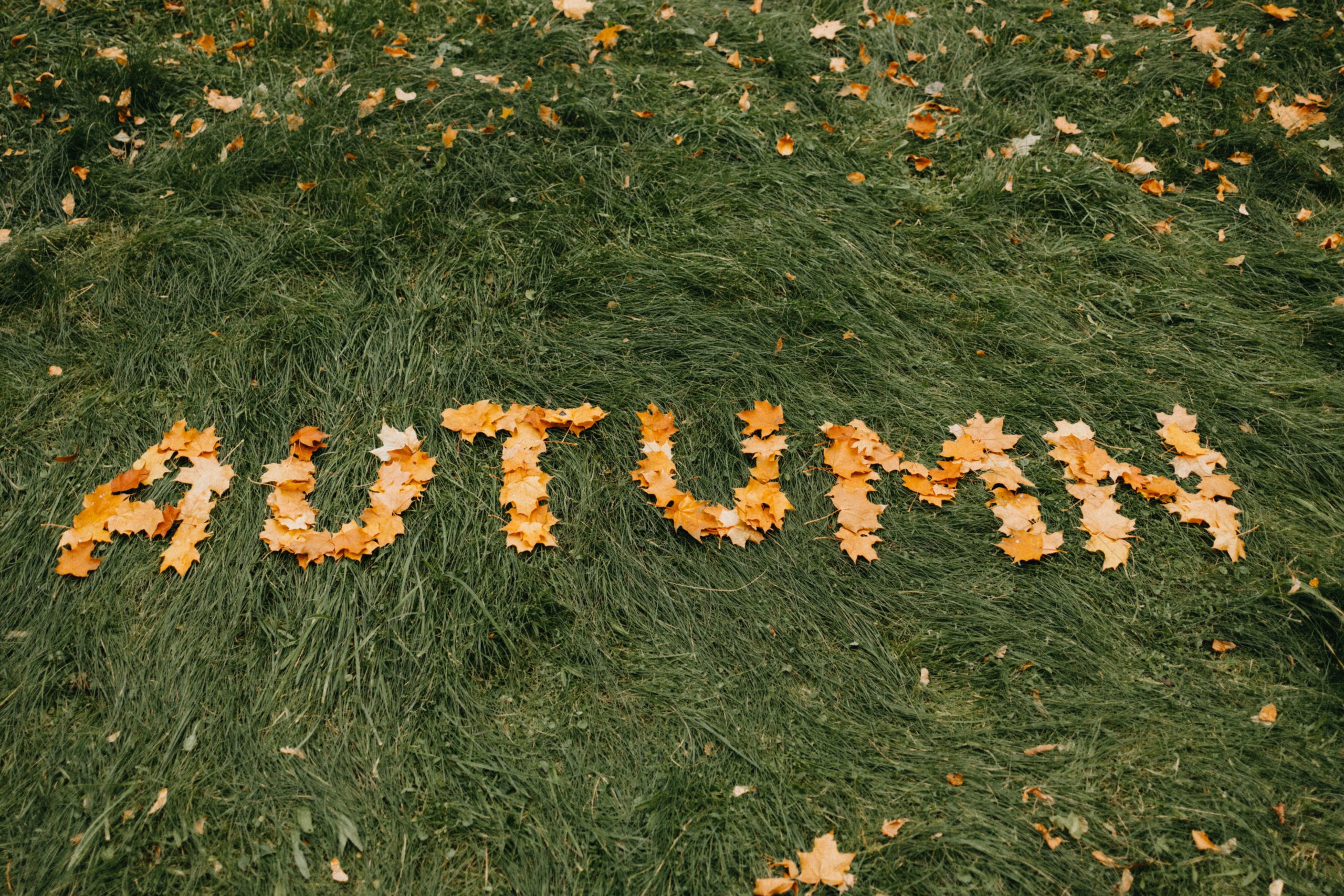
8 Mental Health Tips for Fall: Managing the Seasonal Shift

September 25, 2024 by nextstep4adhd Anxiety, Mental Health 0 comments

As the days get shorter and the temperatures drop, it’s common to feel a shift in mood and energy levels. The decreasing daylight in the fall can impact your mental health, but there are steps you can take to stay balanced. 

Here are some tips to help you manage the seasonal change and protect your well-being.

1. Embrace Natural Light

With fewer daylight hours, it’s important to make the most of natural light. Spend time outdoors during the day, especially in the morning, to boost your mood and energy. If getting outside is tough, try to position yourself near windows to absorb as much sunlight as possible.

2. Maintain a Regular Sleep Routine

The shift in daylight can disrupt your sleep-wake cycle. Establish a consistent sleep schedule to help regulate your body’s internal clock. Aim for 7-9 hours of sleep each night, and avoid screens before bedtime to encourage better rest.

You can learn more about how light affects your sleep here.

3. Stay Active

Exercise is a powerful mood booster, especially when the darker days make you feel sluggish. Whether it’s a brisk walk, yoga, or a workout at the gym, staying physically active can increase endorphins and help combat feelings of fatigue or sadness.

4. Practice Mindfulness

Mindfulness practices like meditation, deep breathing, or journaling can help you stay grounded during the seasonal transition. Set aside a few minutes each day to focus on your mental and emotional well-being, reducing stress and improving your mood. 

Try this guided muscle relaxation before bed:

5. Connect with Others

Fall can bring a sense of isolation as the days grow shorter, so it’s important to stay connected with friends and family. Regular social interaction, even virtual, can help combat loneliness and provide emotional support during this time of year.

6. Keep Your Diet Balanced

What you eat can have a big impact on how you feel. Focus on nourishing foods that support your mental health, like leafy greens, whole grains, and omega-3 rich foods like salmon or walnuts. Avoid relying on sugary snacks or caffeine, which can lead to energy crashes and mood swings. 


7. Consider Light Therapy

If you find that the lack of daylight significantly affects your mood, light therapy may be an option. Light boxes can mimic natural sunlight, helping to alleviate symptoms of seasonal depression. 

Before beginning light therapy,  it is important to consult with a physician for recommendations regarding wavelength, dose, duration, timing, etc.

8. Don’t Hesitate to Seek Help

If feelings of sadness, fatigue, or anxiety become overwhelming or persistent, reaching out to a mental health professional can be beneficial. Seasonal Affective Disorder (SAD) is a form of depression that’s triggered by seasonal changes, and it’s important to get the support you need if you’re struggling. 

How Next Step 2 Mental Health Can Help

At Next Step 2 Mental Health, we understand how the change in seasons can impact your emotional well-being. Our team of mental health professionals is here to support you through this transition, offering therapy, counseling, and tailored treatment plans for managing seasonal challenges.

Don’t wait to take action—reach out to us today to learn how we can help you maintain your mental health this fall and beyond.


Prev
Next

Related Posts

Do Warm-Colored Lights Help Sleep?
July 29, 2020

Perhaps you've noticed that e-readers, smartphones, and other tablets have an...

Learn more
3 Empathetic Ways to Support a New Mom with Postpartum Depression
March 2, 2024

Welcoming a new baby into the world is often depicted as a time of joy and...

Learn more

Categories

  • ACT Therapy
  • Addiction
  • ADHD
  • ADHD in Adults
  • ADHD in Children and Adolescents
  • Alphonso Nichols Blog
  • Anxiety
  • Anxiety and Stress
  • Autism
  • Bipolar Disorder in Adults
  • Brian Briscoe Blog
  • Child Anxiety
  • Child Psychiatry
  • Child Psychology
  • Christian perspectives on Mental Health Psychiatry and Psychology
  • Couple's Therapy
  • Depression
  • Depression in Children
  • GAD
  • Marriage
  • Mental Health
  • Mental Health Resources
  • Mental Health Struggles in Children and Adolescents
  • MTHFR Gene Mutation
  • OCD
  • Parenting and Families
  • Parenting Children who are struggling with behavioral difficulties
  • Pastoral Care
  • PTSD
  • Religious OCD Series
  • Seasonal Affective Disorder
  • Self-Care
  • Telehealth
  • Therapy
  • Treatments
  • Uncategorized
  • Women’s Mental Health

Recent Posts

  • Am I Depressed or Just Having a Bad Week? A Doctor Explains the Difference
  • Burnout vs Stress: How to Tell the Difference (and What to Do Before It Gets Worse)
  • Do I Have Anxiety? 7 Signs You Shouldn’t Ignore (And What to Do Today)
  • Is Your Mood As Changeable As The Kentucky Weather? Understanding Bipolar Disorder In Spring
  • 10 Things You Can Do to Support Your Mental + Physical Health If You Have Seasonal Affective Disorder (SAD)

Latest News

  • Am I Depressed or Just Having a Bad Week? A Doctor Explains the Difference
    Am I Depressed or Just Having a Bad Week? A Doctor Explains the Difference
    May 18, 2026
  • Burnout vs Stress: How to Tell the Difference (and What to Do Before It Gets Worse)
    Burnout vs Stress: How to Tell the Difference (and What to Do Before It Gets Worse)
    May 11, 2026
  • Do I Have Anxiety? 7 Signs You Shouldn’t Ignore (And What to Do Today)
    Do I Have Anxiety? 7 Signs You Shouldn’t Ignore (And What to Do Today)
    May 4, 2026
Premium Quality Mental Health Care in Kentucky provided by specialized and highly skilled professionals.

Contact Us

9720 Park Plaza Ave, Suite 102,
Louisville, KY 40241

502-339-2442


from 9:00 AM to 5:00 PM

contactus@nextstep.doctor

Fax:  502-996-8432

LATEST NEWS

  • Am I Depressed or Just Having a Bad Week? A Doctor Explains the Difference
    Am I Depressed or Just Having a Bad Week? A Doctor Explains the Difference
    May 18, 2026
  • Burnout vs Stress: How to Tell the Difference (and What to Do Before It Gets Worse)
    Burnout vs Stress: How to Tell the Difference (and What to Do Before It Gets Worse)
    May 11, 2026

Quick Links

  • Home
  • About
  • Services
  • Pricing
  • Disclaimer
  • SMS Terms and Conditions
  • Privacy Policy
  • Contact Us

© 2021 Next Step 2 Mental Health. All Rights Reserved.