10 Self-Care Ideas to Try If You’re Feeling Sad This Thanksgiving
Holidays can be a time of joy and togetherness, but sometimes holidays can be stressful or even sad. Spending the holiday alone may be the result of conflicting schedules, familial issues, or the financial strain of traveling. This year, however, the COVID-19 pandemic has halted Thanksgiving plans across the globe. Regardless of what’s having you feel a little blue this Thanksgiving, it’s important to focus on the things you are grateful for — and that includes yourself too! Taking time to practice self-care during the holidays can help make your day a little easier.
1. Make Time for Your Favorite Things
Thanksgiving is just one day, but between all the cleaning, cooking, prepping snacks, decorating, it can consume your weekly agenda. This Thanksgiving, allow time for some of your favorite activities. Even it’s just 30 minutes of knitting, working on a new art project, or reading your favorite book — your favorite things can help you feel good. You can also schedule in fun quarantine-safe activities so your household can join in on the fun too. Check out this list of 17 Thanksgiving Day ideas here.
2. Reframe Your Mindset
If you’re missing out on Thanksgiving with your family — because of travel restrictions or work obligations — try to reframe your mindset. Instead of viewing the day as a missed opportunity, try to see your day as a solo staycation, or even as a day of rest and relaxation.
Bottom line: try to look at the day as one of a gained opportunity (for some well-deserved R&R) rather than a loss.
3. Treat Yourself to Your Favorite Foods
You can even reframe what “Thanksgiving Dinner” looks like. You don’t have to recreate your Grandma’s famous roasted turkey if you don’t want. You might prefer spaghetti and meatballs or French toast and bacon — whatever makes your staycation feel complete.
Even if you indulge in a slice of pumpkin pie, don’t skip your veggies! Eating nutrient-dense meals helps to support your mental health. Salmon, chia seeds, walnuts, and avocados are good for your brain too!
4. Stay Active
Exercise is a well-known mood lifter. Here are some ideas to fit a little physical activity into your Thanksgiving schedule:
- Take a walk around the block. Not only does this provide fresh scenery, but you also benefit from the sunshine and fresh air.
- Turn on a dance workout on YouTube and dance your way to a better mood.
- Play fetch with your dog in the yard.
5. Volunteer Your Time
Did you know that volunteering can boost your mood and help fend off the feelings of depression? Studies show that volunteering is a powerful anti-depressant, and even with restrictions this year, you can find ways to volunteer. You might:
- Make cards for a nursing home
- Offer to walk dogs at an animal shelter
- Participate in virtual volunteer opportunities
6. Find Something That Makes You Laugh
Whether you giggle to yourself or let a big guffaw, laughing can be good medicine. According to the experts at Mayo Clinic, laughter can:
- Reduce stress levels
- Stimulate your heart, lungs, and muscles
- Increases endorphin levels in your brain
- Relax you
- Ease tension in your body
That’s not all, though. Laughter can also boost your immune system, improve your mood, and increase your sense of personal satisfaction. Not too shabby! Treat yourself to a funny movie, sit back, and laugh!
7. Connect with Others

- Facetime or Zoom while you eat dinner. It’s not the same as dining in person, but you can still share in the moment.
- Call a friend or family member and “prep” together. Use your headphones and dice, chop, and bake while engaging in friendly conversation.
- Video conference with your extended family and ask everyone to share one thing they are grateful for this year.
8. Start a Gratitude Journal
Keeping a gratitude journal is a great way to lift your mood. In fact, writing in a gratitude journal is shown to improve emotional resilience and reduce stress. There are many ways to keep a gratitude journal, but here are some tips:
- Journal first thing in the morning to start the day on a positive note
- End the day with a quick reflection about things you were grateful for over the course of the day
- If your child can’t write yet, she or he can draw pictures instead

Does your child want to journal with you? You can download our free printable Gratitude Journal.
Print out the journal and let your child explore the concept of gratitude. With 50+ pages, your child will have nearly two months of journaling!
9. Listen to Music
Studies have shown that listening to music can lift your mood and reduce the feelings of depression. Music can also lower your levels of stress-related hormones (e.g., cortisol). While Time Magazine reports that “calming music” is subjective, the tracks with a slow tempo, gradual chord progressions, and drawn-out notes have the best relaxing effects.
10. Get Help If You Need It
Even with self-care strategies and Zoom calls to feel connected with friends, sometimes it’s not enough to feel better. If you experience the symptoms of depression or anxiety, don’t brush them off. Anxiety and depression can be treated with therapy, medication, and lifestyle changes. With the right support and strategies, you can feel better.
Here at Next Step 2 Mental Health, we provide comprehensive mental health care for children (and adults too!). Whether you are just experiencing depression/anxiety for the first time this year, or you’ve been struggling a while, we can help. Call 502-339-2442 or send us a message to request more information.

5 Tips for Safeguarding Your Mental Health This Thanksgiving
Even though Thanksgiving is regarded as a time of togetherness, gratitude, and joy, there are many reasons why the holidays may be anything but bliss. This year in particular may look a little different than previous Thanksgivings, especially if quarantines and travel restrictions prevent you from gathering as you normally would. In addition to the unique challenges of 2020, holidays can be tough for another reason: holiday blues and added stress. According to a survey conducted by the American Psychological Association (APA), almost 38% of individuals polled listed stress as the #1 reason their mental wellness dipped during the holiday season.
Here are Next Step 2 Mental Health, our team of providers is here to support your mental health — no matter what season or holiday we approach. In this article, we’ll explore five ways for you to safeguard your mental health this Thanksgiving.
1. Prioritize sleep
If you’re hosting Thanksgiving, you might be busy cleaning, decorating, and planning. However, don’t let the excitement and busy-ness of the day prevent you from getting enough sleep. Constantly running on not enough sleep can impact your mental and physical well-being. Specifically, research links sleep deprivation with increased rates of insomnia as well as increased irritability.
WHAT TO DO: Aim for 7-9 hours of sleep in a cool, dark room. Avoid using any blue lights (e.g., TV, tablets, phone) for 1-2 hours before bed. You can learn more about the effects of blue and warm lights on your sleep in this article: Do Warm-Colored Lights Help You Sleep Better?
2. Stick with your normal routine
For individuals with ADHD, sticking with your normal routine each day is essential. However, a daily routine is important if you have other mental health conditions, including depression, anxiety, OCD, and bipolar disorder. According to a study published in Lancet Psychiatry, creating (and sticking with) a daily routine improves your ability to sleep at night, reduces emotional difficulties, and supports overall mental health.
WHAT TO DO: Holidays, however, can create many opportunities to detract from your normal routine. Try to stick with your normal routine as much as possible. The National Alliance Of Mental Health (NAMI) recognizes that this can be hard during holidays; however, they suggest to adhere to your routine as much as possible. For example, even if you plan a Thanksgiving dinner with family in the evening, don’t skip your normal morning routine.
A quick note about your medications: If you take daily medication, continue to stick with your medication schedule even during the holidays. You shouldn’t skip your dose or alter your medication schedule unless instructed to do so. Consider setting a reminder on your phone if you think the schedule disruptions might cause you to forget a dose.
3. Create a Budget for Thanksgiving Décor or Meals

Stress has an undeniable impact on your mental well-being, and Thanksgiving can add financial stress to your list of concerns. If the thought of unexpected purchases adds to your stress load, create a budget for any out-of-the-norm purchases — things that normally aren’t your monthly budget. This can include decorations and food for your parties. Once you create your budget, stick with it!
If you plan on doing any holiday shopping after Thanksgiving, add that to your budget too.
4. Don’t Skip Your Workout

There’s an unending list of the benefits of exercise. According to research published in the Primary Care Companion for Clinical Psychiatry, exercise boosts your mood, reduces stress levels, and gives you quiet time to decompress and just think.
When it comes to Turkey Day, there are plenty of ways to sneak a little exercise into your day:
- Go for a walk around the block — either alone or with family
- Go for a hike in the morning before your feast
- Toss a football in the yard
- Walk your dog and go around the block a few extra times
- Start the day with an online exercise program
- Crank up the radio and dance
If the weather is nice, head outside for your workout. The experts at Harvard share that time spent in nature can boost your mood.
Need more ideas? Read this blog: 4 Ways to Stay Active This Fall.
5. Practice Healthy Stress Management Techniques
Even if you try every tip on this list, it’s not possible to eliminate every source of stress, and that’s okay. The best strategy is to reduce what stress you can and then manage the rest of it with healthy stress management techniques.
During Thanksgiving (or any other stressful situation), it might be tempting to relieve stress by pouring an extra drink, using food as comfort, or even taking drugs to relax. These coping mechanisms may cause more problems in the long run. However, you can prepare by coming up with a list of healthy outlets for stress. MentalHealth.gov suggests getting fresh air, exercise, meditating, reading a relaxing book, doing art, and practicing deep breathing exercises.
You can also find help by:
- Talking with a friend or loved one
- Talking to a therapist
The takeaway: instead of relying on alcohol, drugs, smoking, or even food, protect your mental health by relying on healthy, evidence-based stress management techniques.
Don’t Enter the Holiday Season Unprepared
If you’re struggling with depression, anxiety, or another mental illness, we can help you get the treatment you deserve. At Next Step 2 Mental Health, it’s our mission to help you live a happier life, a better life.
Give us a call at our Louisville, Kentucky office at 502-339-2442, or send us a message to request more information.
Learn More
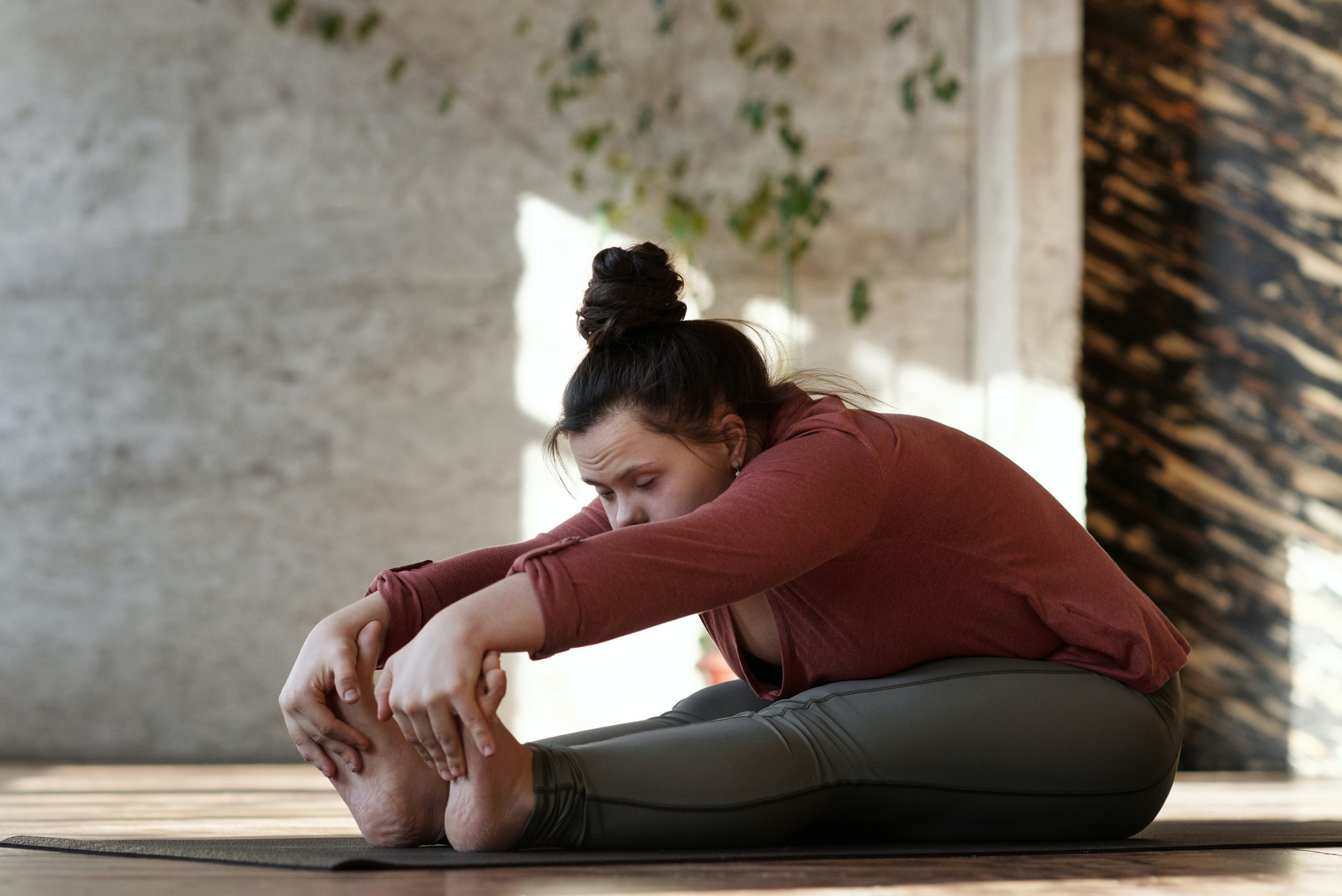
4 Ways to Stay Active This Fall (and How It Benefits Your Mental Health)
Are you looking for new ways to keep your family active this fall? With the current pandemic, we know that fall-inspired activities might not look the same this year, especially if you’re taking a pass on your favorite parades, festivals, or outings.
Even with a disruption to your normal fall activities, it’s important to find safe ways to stay active. Exercise and regular activity are essential for your mental health. Exercise boosts self-esteem, lifts your mood, and helps lessen the symptoms of anxiety and depression, according to the research published in The Primary Care Companion to the Journal of Clinical Psychiatry.
Here at Next Step 2 Mental Health, we understand the many benefits of staying active, and that’s why we recommend regular exercise and physical activity as part of a healthy lifestyle.
In the spirit of incorporating more physical activity into your everyday routine, we created this guide to get you started. Here are four activities to help you stay active this fall.
1. Go for a Hike

Hiking is often thought of as a summer activity, but hiking can benefit you year-round. In fact, a fall hike might be more comfortable as the temperatures ease up — plus you’ll have the added bonus of seeing beautiful fall foliage.
Hiking on natural trails is a great family-friendly option. And the best part? It’s easy to adhere to the CDC’s guidelines for social distancing while hiking. Depending on which trail you choose, you can make your outing as easy or as challenging as you wish.
Hiking can support your mental health in a variety of ways, according to the experts at Harvard Health. Simply spending time in nature serves as a natural stress reliever, while creating an opportunity to spend quality time with your family — which can also lift your mood. Hiking, especially if you are walking at an incline, supports your cardiovascular health and increases your circulation.
2. Schedule Unstructured Play
You don’t have to trek through the mountains to get a good dose of physical activity. You can simply migrate to your own backyard, and choose your favorite backyard activity:
- Catching a ball with your child
- Playing tag or hide-and-seek
- Playing soccer
- Shooting a basketball or even playing HORSE
- Doing a workout outside (lots of good workout routines you can find on YouTube)
- Playing fetch with your dog
Playing outside is a great way to incorporate younger members of your family. Physical activity supports the mental health of children and adults alike. As Next Step’s Certified Health Coach Pam Valdes says, “Anything that gets you moving is good for your health.”
3. Practice for a 5k (or Other Activity)
Setting goals — and working towards them — helps develop a sense of self-mastery and gives you something to look forward to. Even if there aren’t any scheduled 5K races near you, you can still create activity-related goals. If you’re not a runner, that’s okay. You can turn any physical activity into a goal.
Here are a few examples:
- You can aim to increase your daily step goal by 500 steps.
- You can make a goal to spend a few minutes playing catch in the yard with your kids.
- You can make a goal to add one more block to your walking route.
- You can make a goal to walk on the golf course instead of using a cart.
Tip: Goals can also include simply learning a new sport or activity.
4. Commit to Exercise as a Family

Staying active doesn’t have to mean 5 am workouts or super intense exercise programs. Dr. Brian Briscoe reminds us that “just 30 minutes of light physical activity is more than enough to generate significant benefits for physical and emotional health.”
Many parents may struggle to find time to fit exercise into the schedule, but it doesn’t have to be an “either / or” thing.
Dr. Briscoe continues, “If you can’t get away from the children, figure out a way to involve them. Take them on a walk, go on a bike ride, play soccer with them in the back yard.
Bottom line: There are plenty of ways to sneak more physical activity into each day of the week.
We’re Here When You Need Us
At Next Step 2 Mental Health, we care about the health and well-being of your entire family. Whether you or your child needs mental health care, we’re here to help with all of your family’s mental health needs.
To schedule an appointment, give us a call at 502-339-2442. You can also request an appointment online.
Learn More
Stress and Mental Health: How Is Your Brain Affected?
Stress is frequently linked to physical issues (like headaches, muscle tension, or heart troubles), but chronic, unmanaged stress impacts your mental well-being too. Here’s what you need to know about the connection between stress and mental health, plus 6 ways to tame stress.
First, What Is Stress?
Stress seems like such an abstract concept. What stresses out one person might not stress out another person. So what — exactly — is stress?
According to the medical encyclopedia of the US National Library of Medicine, stress is your body’s reaction to a potentially dangerous situation or event. In other words, stress is how your body reacts to a demand of some kind. Stress isn’t necessarily good or bad. Occasional, spurts of stress can be a good thing. For example, a deadline at work can motivate you to finish a project.
Stress is common, and the reality is that everyone experiences some degree of stress on a daily basis. Stress shifts from neutral to bad when the occasional, situational stress turns into chronic stress. Here at Next Step 2 Mental Health, we understand how chronic stress can impact your mental health, often leading to increased feelings of anxiety and/or depression. If you’re feeling overwhelmed right now, we recommend that you schedule an appointment with us so you can get the care you need.
In the meantime, this is what you need to know about stress and mental health — and how we can help you feel less stressed.
How Stress Affects Your Mental Health
From weight gain to weakened immune systems to GI upset, it’s no surprise that stress takes on a toll on your physical health.
Stress also affects another part of your body: your brain. According to the experts at Harvard Health, prolonged stress can rewire your brain in a way that focuses on survival. How does that work? Chronic stress can cause your amygdala (a part of your brain that processes fear) to be more active than your prefrontal cortex (responsible for higher-order tasks). As a result, chronic stress affects your memory and other brain functions.
Chronic stress can contribute to:
- Constantly worrying
- Increased irritability
- Increased feelings of depression
- Increased feelings of anxiety
- Mood swings
- Feelings of worthlessness or inadequacy
- Racing thoughts and the inability to quiet your mind
- Difficulty focusing at work and at home
- Feeling intensely overwhelmed
In other words, unmanaged high levels of stress can trigger (or intensify) anxiety, depression, and other mental health disorders.
6 Ways to Reduce Stress
If you’re feeling overwhelmed and stressed, it’s important to reduce your stress load as much as possible. This might look like saying no to extra outings or projects — at least until you’re less overwhelmed.
There are also things you can do every day (like exercise) that help your body handle stress. Here are the top six ways to manage your stress levels:
1. Aim for 150 minutes of exercise per week.
The American Heart Association suggests that adults log at least 150 minutes of moderate exercise each week. Not only does exercise support your cardiovascular health, it also helps to reduce cortisol (AKA the stress hormone). Exercise combats stress (and feelings of overwhelm) by increasing feel-good neurotransmitters e.g., dopamine and endorphins. Neurotransmitters (AKA brain chemicals) boost your mood, which helps to alleviate the mood swings and irritability associated with stress.
Exercise can help in another way too. Taking time out of your day to exercise allows you some quiet time to think and reflect. Maybe you think about your problems at work on your long jog in the neighborhood — you might even brainstorm a few solutions while you run!
You can walk around the block, try a stair-stepper in your home, ride your bike in the park, or even try an online dance workout. Anything that gets you moving is good for your body and your brain.
2. Make time for your hobbies.
If your schedule is packed, you might struggle to find any spare time anywhere, but it’s important to make time for activities that you enjoy. Participating in your favorite hobby can boost your confidence, help you feel in control, relax you, and lift your mood. It also helps you feel a sense of accomplishment.
Set aside at least 30 minutes each day for a relaxing activity. Choose relaxing activities like coloring, crocheting, baking, reading a book, or practicing yoga.
3. Set S.M.A.R.T. goals.
Raise your hand if you’ve ever felt stressed out just looking at your to-do list? Crammed schedules and never-ending to-do lists can be a big source of stress. Instead of just adding another item to your list, create S.M.A.R.T. goals. S.M.A.R.T goals (specific, measurable, attainable, relevant, time-based) take many factors into account to help you better reach your goals. For example, adding “time-based” to a goal helps you determine when you actually need to complete each task.
Here’s an example:
- “Need to exercise more”
As it is, this goal is vague and can add to your tension. Did you exercise enough? What is “more”? Can I cross this off my list yet?
Now, let’s turn it into a S.M.A.R.T goal.
- “I want to walk around the block (specific) two times (measurable and attainable) at 7PM every evening (time-based) to improve my overall health (relevant).”
Now, with this goal, “exercise more” doesn’t seem like a looming task on your to-do list. Because you made a S.M.A.R.T. goal, it tells you exactly how this item fits into your schedule — no stress of wondering when and how to “exercise more.”
4. Get plenty of good quality sleep.
Good sleep — both quality and quantity of sleep — is essential for your mental health. According to the National Sleep Foundation, you need between seven and nine hours of sleep each night. When you don’t get enough sleep, your mental well-being suffers. You might notice:
- Daytime sleepiness
- Memory troubles and brain fog
- Mood swings and irritability
- Decision fatigue
If you need help sleeping better, try eliminating blue screens for at least two hours before bedtime.
5. Focus on nutrition.
Your body needs food for fuel, but so does your mind! It’s tempting to reach for snacks or rich comfort food when you’re stressed (hello, brownie sundae!), but snacks and processed foods (as tasty as they are) aren’t good for your brain. As it turns out, your gut and your brain are very connected.
Experts at Harvard Health studied the typical Mediterranean, Japanese, and American diet. Researchers noted that following a veggie-rich Mediterranean or Japanese diet could reduce your risk of depression by as much as 25%. How can a veggie-rich diet reduce the risk of depression? A whopping 90% of your serotonin is produced in your digestive system and blood platelets.
The next time you’re feeling oh-so-stressed, take a pass on the candy and chips and reach for a hummus-veggie platter. Certified Health Coach Pam Valdes suggests these brain-healthy snacks too:
- A sliced apple & a tablespoon of peanut or almond butter.
- 1/2 cup low-fat cottage cheese topped with fruit, such as a fresh peach or fresh blueberries, with a sprinkling of cinnamon sugar if you like.
- A fresh tomato, chopped & lightly salted. Add 1 oz. fresh mozzarella (the kind that is typically sold by the deli cheeses – looks like a packaged white ball of cheese), cubed. Toss with the tomato; add a drizzle of balsamic vinegar and fresh basil leaves, if you like.
- 1 or 2 clementines paired with a small handful of unsalted almonds.
- Sliced berries topped with milk or almond milk.
- Grapes with a small handful of pecans. Try heating the pecans before serving with frosty cold grapes – delicious!
- Any flavor of hummus, served hot or cold, with veggies, such as carrots, bell peppers, cucumbers, broccoli, or celery.
- A pear served with 1 oz. cheddar cheese.
6. Ask for help when you need it.
If you’re working hard to reduce your stress levels, but still feel overwhelmed, remember: there is strength in asking for help. Whether you ask a co-worker for input on a big project or ask a family member to help you, getting help from a friend or loved one can help you through a stressful time.
Still Struggling to Manage High Stress Levels?
High stress at your job isn’t the only source of stress. Stress can come from many places, including relationship struggles or even current events. Untreated mental health conditions (such as anxiety or OCD) can also add to your already-high stress levels. For example, unmanaged anxiety can compound your worries about deadlines at work.
If you’re feeling stressed out, we can help. Our team of experts provide compassionate and understanding care to support your mental well-being. Through a combination of therapy, medication, and coaching, we can help live a happier, better life. We’re just a call or click away. Call at our Louisville, Kentucky office at 502-339-2442, or send us a message to request more information.
You can also request an appointment with our convenient scheduling tool here.
Learn More

5 Rules for Fighting Fair in Marriage
Fair fighting?! It might seem like an oxymoron, but the reality is that there are rules to fighting fairly. At some point, all couples experience a blip in the road of marital bliss. Whether you’re fighting about the division of chores or finances, the reality is that disagreements occur in all marriages. The key is to arm yourself with problem solving skills and conflict resolution skills.
But what skills exactly do you need? If you Google it, you’ll find 30 rules (or 15 or 10) for fair fighting. There are dozens of good ideas out there, and many of them are worth reading, but in the heat of the moment, it’s difficult to remember 30 rules for fair fighting.
Thankfully, Dr. Dan Guy, a licensed clinical psychologist, has compiled the 5 rules for fair fighting in marriage.

Rule #1: Nothing Physical
“No abuse is a no brainer,” Dr. Guy reminds us. However, there’s more to this rule than just avoiding physical abuse. Dr. Guy explains, “When something is thrown, or a door is slammed, or a hole is put in a wall, it sends the non-verbal message/warning that ‘I am so out of control that this could be you.’ This type of intimidation can only serve to make the problems worse, and damage the relationship further.”
In other words, while it might seem not-so-bad to throw a book at the wall or slam a door (since you’re not physically harming the other), it sends a threatening message, even if that’s not your goal.
Rule #2: No Name-Calling
Name-calling only adds tension to an already tense situation. Dr. Guy likens it to “throwing gasoline on the fire, with the obvious result of making things worse than when you started.”
So what counts as name-calling? The answer might surprise you.
“Remember, name calling is not limited to the ‘B-words’. If you tell your spouse, ‘You are just like your mother’ or ‘You act just like your father’, it can be just as cutting as that singular expletive,” Dr. Guy says.
Rule #3: Take a Time-Out

Time-outs have a bad reputation as something you are forced to endure if you break a rule. The idea of a time-out may conjure the image of a child sitting in the corner after hitting a sibling, but the reality is that a time-out can be a good thing. Time-outs allow you to regroup and retain self-control. Instead of imaging a naughty child, think of a football or basketball team. They call time-outs so that they make a game plan and regroup.
You too can call a time-out to regroup.
Dr. Guy provides the guidance on calling a time-out: “You must maintain self-control. If you are about to lose control, say ‘I love you and I feel like I am about to say something hurtful, and because I love you, I don’t want to do that, so I need a few minutes to calm down.'”
Calling a time-out isn’t the same thing as avoiding the conflict. Taking a few minutes to calm down isn’t the same thing as saying, “I’m losing, so I quit.”
If you take a time-out, there’s a catch: You have to come back to finish the argument in a controlled way. Dr. Guy expands on the baseball analogy:
“When a coach calls a timeout, the team does not go to the locker room, shower, get dressed, and get on the bus. They take a break, get a drink of water, regain control of their emotions, and re-enter the game with a renewed sense of hope and determination to win the game.”
Note that when it comes to couples therapy, “winning the game” is equivalent to resolving the issue.
By the way, you can’t call a time-out for your spouse — only for yourself.
Rule #4: Only Fight About One Thing at a Time
It’s a common situation. You’re arguing about who’s turn it is to empty the dishwasher, when suddenly you’re arguing about something that happened two months ago.
Why does this happen? Dr. Guy explains, “When somebody finds that they are losing an argument, they will often “go back into the history books” to find an argument that they won or was justified in, and bring it into this new argument, in an attempt to win.” It’s tempting to bring up old issues, but it doesn’t help the argument at hand.
“The problem is now you arguing about two things, then three things, and it becomes almost impossible to have something positive come out of the argument. It becomes a jumbled mess of issues,” Dr. Guy explains.
If you have several unresolved issues, it’s best to address them separately, not while you’re trying to solve the most current issue. In this case, you might consider the benefits of couple’s therapy to help you sort through issues and strengthen your conflict resolution skills.
Rule #5: Don’t Argue to Win; Argue for Resolution
This is probably the toughest rule. It is human nature to want to win, and win at any cost.
Winning doesn’t mean that you’ve seen the end of this argument. In fact, it’s more likely that you’ll be having this same argument again. Why? According to Dr. Guy, “Maybe you can win the argument through force/intimidation, manipulation, or cunning, but you will have the same argument again in a week, because it has not been ‘resolved.'” If you have a hard time with conflict resolution, couple’s therapy can help you develop these skills.
Think About Your “Opponent”
Remember that you are arguing with somebody you love. You aren’t arguing with your enemy. You’re arguing with your spouse, and you’re not in a boxing ring (which is a square by the way). You’re not on a basketball court, a soccer pitch (not baseball by the way), a debate podium, or a football field, where you want to DOMINATE your opponent.
This is somebody that you want to build a life with — that is exciting.
If Following These Rules Isn’t Enough…Should You Consider Couple’s Therapy?

- Communication is strained (or almost non-existent)
- The trust between partners is strained or broken
- One or both partners have difficulty addressing sensitive topics or past issues
- Something feels off or wrong
- There have been infidelities (or thoughts of infidelities)
- Ongoing issues cannot be resolved satisfactorily
- Unresolved issues (such as differences in parenting, etc.) cause rifts
There is no shame in receiving couple’s therapy. Early counseling can help resolve small conflicts before they snowball into larger ones.
Explore Your Next Steps
At NextStep 2 Mental Health, we provide comprehensive and compassionate mental health care — and that includes couples therapy and marital counseling. Whether you’ve been struggling with multiple issues or you just can’t seem to resolve a conflict, we can help you get your relationship back on track. Give us a call at our Louisville, Kentucky office at 502-339-2442, or send us a message to request more information.
About Dr. Dan Guy

Dr. Guy specializes in the treatment of ADHD, depression, anxiety, mood swings, relational problems, and issues pertaining to self-doubt and self-value. He is skilled in the use of cognitive behavioral therapy (CBT), solution focused therapy, and reality therapy. He also provides psychotherapy for individuals with bipolar disorder and some addictive behaviors. Dr. Guy has helped hundreds of individuals, couples, and families establish loving relationships, healthy communication, and effectively address mental health issues. As a trusted professional, Dr. Guy will walk beside you as you face challenges in your life and will guide you toward healing and fulfillment.
You can now book an appointment with Dr. Guy here or give us a call at our Louisville, Kentucky mental health clinic at 502-339-2442 .
Learn More
What is Bipolar Disorder?
One of the most dangerous aspects is that multiple untreated manic or hypomanic episodes can be very harmful to the brain. They can sometimes even lead to cognitive impairment and/or decreasing IQ over time. (This can happen because leaving mania untreated is a lot like running a car eighty miles an hour all day, every day. Eventually the motor—the brain—will break down.)
Learn More
Finding Calling at the Intersection of Faith and Psychiatry
I encountered patients who were under tremendous mental distress who were crying out to God, asking Him where He was and why their conditions were not…
Learn More
What is Mental Health?
Mental health is the state of well-being in which people understand their own potential, are capable of dealing with life’s stresses and challenges,
Learn More
Grief and Care
The intensity of our grief can be measured by how much we’ve loved. To the extent we have loved much, the pain and loss will be that great.
Learn More
Suffering: The Question of “Why”
People who ask the “why” question are coming from a place of deep pain, anguish, confusion, and suffering. They need to be heard and identified with.
Learn More