
10 Things You Can Do to Support Your Mental + Physical Health If You Have Seasonal Affective Disorder (SAD)
When the days grow shorter and colder, many people notice changes in mood, energy, motivation, and focus. For some, these seasonal shifts are marked by Seasonal Affective Disorder (SAD)—a form of depression that follows a seasonal pattern, most commonly during fall and winter.
The most effective support for SAD looks at mental and physical health together. Small, consistent habits can gently support your nervous system, mood, and energy levels over time.
Here are 10 practical, realistic ways to care for yourself this season, courtesy of the Next Step 4 Mental Health Team in Louisville, KY.
1. Start Your Day With Light (Even If the Sun Isn’t Out)
Light plays a key role in regulating your circadian rhythm, serotonin, and sleep-wake cycle. During winter, reduced daylight can disrupt all three.
Try this:
- Open curtains immediately after waking
- Sit near a window while eating breakfast
- Spend 10–15 minutes outdoors when possible
- Use a light therapy box in the morning if recommended by your psychiatrist at Next Step 4 Mental Health
This simple habit helps signal to your brain that the day has begun.
2. Move Your Body—Gently and Regularly
Movement is one of the most effective tools for managing seasonal mood changes. It boosts endorphins, improves sleep quality, and reduces stress hormones.
Helpful options include:
- Walking (indoors or outdoors)
- Gentle yoga or stretching
- Light strength training
- Dancing, swimming, or cycling
On low-energy days, even 5–10 minutes can be enough to make a difference.
3. Practice a Simple Daily Breathing Exercise
Intentional breathing helps calm the nervous system and reduce anxiety, which often increases during the winter months.
Try box breathing:
- Inhale for 4 seconds
- Hold for 4 seconds
- Exhale for 4 seconds
- Hold for 4 seconds
- Repeat for 2–5 minutes.
This is especially helpful in the morning, before bed, or during moments of overwhelm.
Prefer to Listen?
Tune into this mini podcast and follow along.
4. Create a Winter Journal (Without Pressure)
Journaling supports emotional processing and self-awareness—but it doesn’t need to be long or emotional to be effective.
Try simple prompts such as:
- One thing I did for myself today
- One thing that felt hard—and one thing that helped
- What my body needs today
- One small win
Short, consistent entries are often more sustainable than long writing sessions.
👉 Want a simple place to start?
Download the Next Step 4 Mental Health Winter Journal—a free, printable guide with gentle prompts designed to support mood, clarity, and emotional well-being during the winter months.
5. Nourish Your Body With Mood-Supportive Foods
Nutrition plays a direct role in mood, energy, and inflammation. During winter, balanced meals can help stabilize blood sugar and prevent energy crashes.
Focus on:
- Protein for steady energy
- Healthy fats (olive oil, nuts, seeds)
- Complex carbohydrates (vegetables, whole grains)
- Warm meals like soups and stews
👉 Helpful resource:
If meal planning feels overwhelming—especially for those with ADHD—check out our ADHD-friendly recipe book, which focuses on simple, nourishing meals designed to support focus, energy, and consistency.
6. Protect Your Sleep Routine
SAD often disrupts sleep patterns, leading to oversleeping or difficulty falling asleep.
Support healthier sleep by:
- Keeping consistent bed and wake times
- Dimming lights in the evening
- Limiting screens one hour before bed
- Creating a calming nighttime routine
👉 Try our guided progressive muscle relaxation video. This technique helps release physical tension and signals the nervous system that it’s safe to rest.
7. Stay Connected—Even When You Want to Isolate
Isolation can quietly worsen SAD symptoms. Gentle social connection helps protect mental health, even when motivation is low.
Consider:
- Texting one trusted person
- Scheduling a short walk or coffee
- Joining a class, group, or faith-based activity
- Attending therapy consistently
Connection doesn’t need to be frequent or intense to be meaningful.
8. Build Comfort and Structure Into Your Days
Winter can feel long and unstructured, which may increase low mood or anxiety. Simple routines provide a sense of predictability and safety.
Examples include:
- A morning light-and-tea ritual
- A mid-day movement break
- Evening journaling or reading
- Weekly meal planning
Structure doesn’t limit freedom, but it does support it.
9. Spend Time Outdoors (Even Briefly)
Fresh air and natural light support mood regulation, even on cloudy days.
Fun fact:
In Scandinavian cultures—where winters are long and dark—people intentionally embrace outdoor time year-round. Practices like friluftsliv emphasize spending time outside for mental well-being, even in cold weather. The focus isn’t on perfect conditions, but on connection with nature.
A short walk or even sitting outside for a few minutes can help reset your nervous system.
10. Reach Out for Professional Support When You Need It
If seasonal symptoms last more than a few weeks, worsen, or interfere with daily life, professional support is important.
At Next Step 4 Mental Health, our team helps individuals:
- Understand and manage SAD
- Develop realistic coping strategies
- Address anxiety and depression
- Build sustainable mental wellness routines
SAD is real, and support can help you feel more like yourself again.
You Don’t Have to Push Through Winter Alone
Seasonal Affective Disorder affects both the mind and body, but small, supportive habits can create meaningful change over time. If winter feels heavier than it should, reaching out is a strong and healthy next step.
When to Consider Professional Support in Louisville, KY
If Seasonal Affective Disorder is affecting your energy, sleep, motivation, or physical functioning, it may be time to seek professional support. SAD often shows up as both mental and physical symptoms, and a coordinated care approach can make a meaningful difference.
At Next Step 4 Mental Health, our team of medical providers—including psychiatrists in Louisville—supports whole-person care. This integrated approach is especially helpful when mood changes are connected to fatigue, chronic pain, sleep disruption, or reduced physical activity during the winter months.
Our team can help you:
- Address seasonal depression and anxiety
- Build sustainable coping strategies
- Improve sleep, energy, and daily functioning
- Coordinate care with rehabilitation and physical medicine specialists when appropriate
If you’re searching for comprehensive mental health support in Louisville, KY, we’re here to help.
Take the next step today.
Contact Next Step 4 Mental Health to schedule an appointment and get support that treats both your mental and physical well-being—this season and beyond.
Learn More

12 Tips to Deal with Family Tension During Thanksgiving Dinner
Thanksgiving is a time for gratitude and connection, but family gatherings can sometimes come with tension and stress. The good news is you can manage these moments with a little preparation and the right mindset.
Here are 12 tips to help you navigate family dynamics and make the holiday enjoyable for everyone, courtesy of the Next Step 4 Mental Health team.
1. Set Realistic Expectations
Understand that not every family moment will be picture-perfect. Embrace the imperfections and focus on enjoying the positive aspects of the gathering.
2. Practice Gratitude
Shift your focus to what you’re thankful for, like good food, being together, or personal milestones. Gratitude can help create a positive atmosphere and reduce stress. Learn more about gratitude here.
3. Plan Ahead
If you know certain topics lead to conflict, consider steering conversations toward lighter subjects like hobbies, shared memories, or favorite holiday traditions.
4. Establish Personal Boundaries
Decide beforehand what behavior or topics you’re not willing to tolerate, and stick to those boundaries. It’s okay to say, “Let’s agree to disagree,” or excuse yourself from a heated discussion.
You might also consider saying:
- “I’m not comfortable discussing this right now, but if you’d like to discuss it privately, we can plan for that.”
- “I’d rather not share my opinion on XYZ, but I’d love to share more about the latest trip I took. Would you like to see a few pictures?”
5. Take a Breather
Step outside for fresh air or retreat to a quiet room if things get overwhelming. Even a five-minute break can help reset your mood and reduce tension.
6. Bring a Mediator
Sometimes, having a friend or partner present can ease tension and help keep interactions balanced. Their neutral perspective may help defuse potential conflicts.
7. Focus on the Kids
If there are children at the gathering, engage with them. Playing a game, watching a movie, or helping with activities can be a fun distraction from family drama.
8. Stay Busy
Offer to help in the kitchen, refill drinks, or set the table. Staying engaged in tasks can help you avoid getting drawn into difficult conversations.
9. Choose Your Battles
Not every comment or disagreement needs a response. Sometimes, letting go of minor annoyances can keep the peace and preserve your energy. You can learn more about fair fighting here.
Or, click here to learn more about communication in marriage.
10. Practice Empathy
Try to understand where others are coming from. Tension often arises from misunderstandings, and a little compassion can go a long way in diffusing it.
To learn more about empathy, tune into this video narrated by Brene Brown:
11. Have an Exit Strategy
If the situation becomes too stressful, have a plan to leave early. Politely excuse yourself, citing an early morning or other commitments, and prioritize your well-being.
12. Seek Support if Needed
If family tension is a recurring issue, consider speaking with a therapist or counselor to explore strategies for managing these dynamics. You might even consider therapy BEFORE attending a gathering. This can help give you the tools you need to stay calm and create your boundaries.
Thanksgiving is an opportunity to connect, but it’s also important to prioritize your mental health. At Next Step 4 Mental Health, we’re here to help you navigate family challenges and create a path to healthier relationships. Reach out to our team if you need extra support this holiday season.
Learn More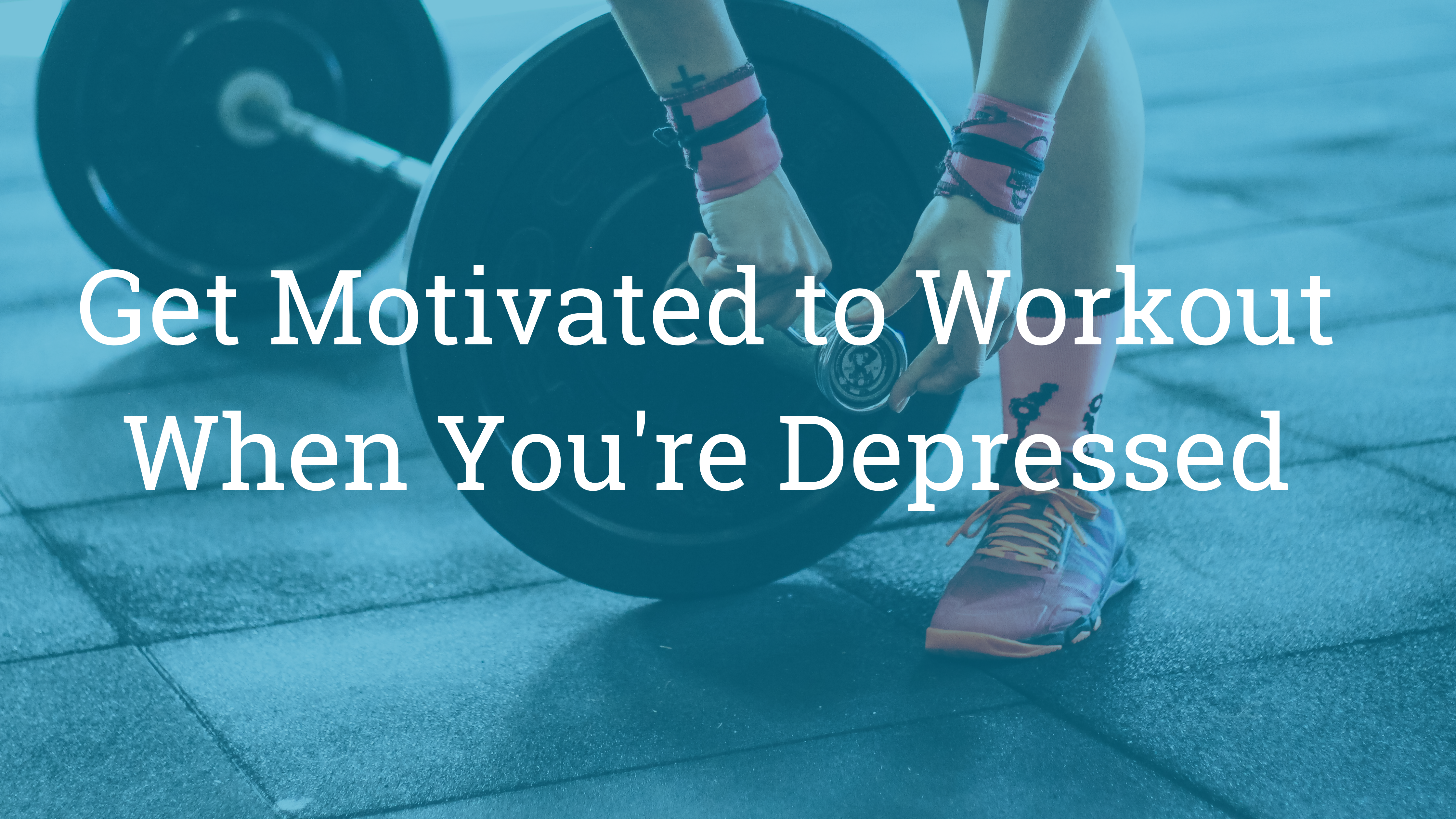
How to Get Yourself to Work Out When You’re Depressed
Whether you’re dealing with seasonal affective disorder, major depressive disorder, postpartum depression, or bipolar depression… it can be hard to motivate yourself to work out.
Yet…exercise is one of the best things you can do to support your health — and that includes your mental health too! But just knowing that exercise is good for you isn’t always enough to get the sneakers on, especially if you’re unmotivated. The truth is that no one is always excited about exercise 100% of the time —and that’s okay—but there are steps you can take if you find it hard to complete everyday tasks.
Depression can grow to be an all-encompassing condition that makes even daily tasks difficult. Depression can lead to indecision, which makes it hard to decide when to exercise or what type of exercise you want to try. Monica Clark, LPA, shares:
“Many people with depression will struggle to make [decisions]. For more complex decisions… a person with depression may feel paralyzed by an inability to decide. Difficulty making decisions may be related to either internal or external fears.”
If you or a loved one are battling depression—or even suspect you might be— our compassionate team here at Next Step 2 Mental Health encourages you to reach out for help. Professional mental healthcare providers can help you learn strategies to make a positive difference in your life, despite the all-consuming nature of depression.
In the meantime, keep reading to explore six strategies to boost your motivation.
Don’t Wait for Motivation
Depression can make even the smallest tasks, like showering, seem daunting. When it comes to exercise, don’t wait for a burst of motivation. Try reversing your thought process. Instead of saying, “I’ll go for a walk when I feel better” try thinking “I’ll go for a walk to help me feel better.” Over time, this will get easier.
You can also post a sticky note on your mirror or next to the couch to remind you to take your daily walk.
Eliminate Every Barrier Possible
If the idea of exercising seems impossible, chances are good that laying out workout clothes isn’t any easier.
In the absence of motivation, there are few things you can do to make this process easier:
- Keep your sneakers by the door and ready to go
- Plan a specific time for your daily walk
- Invite a friend or family member to join you (accountability)
- Go to bed in your workout clothes (so you’re ready first thing in the morning)
Start Small

Exercise doesn’t have to intense marathon training. Your body and your mind benefit from all kinds of physical activity. Even just the simple act of standing up and walking around the house for 10 minutes is a good place to start. Maybe just a walk with your dog around the block. Once you get up and moving, your endorphins start to pump, and you might find yourself wanting to do more. If not, and those laps around the house are all you do in a day, that’s still much better than nothing.
Walking can be very therapeutic. According to a study published in the Primary Care Companion to the Journal of Clinical Psychiatry, walking for 30 minutes per day for 10 days was enough for the study participants to notice a shift in their mood. You don’t have to walk on a treadmill though. You can walk outdoors and get the added benefit of sunshine — which can also boost your mood.
“Any physical activity is better than none,” certified health coach Pam Valdes reminds us.
Join an Exercise Program
According to researchers, individuals with depression who joined an aerobic exercise program experienced:
- Reduced feelings of anxiety
- Reduced depression symptoms
- Improved self-esteem
You can find a variety of aerobic exercise programs both in-person and online.
Recognize Negative Self-Talk
Sometimes negative self-talk can block your desire to work out, and unfortunately, negative self-talk is common among those with depression. However, if you learn to recognize negative thoughts and replace with neutral or positive thoughts to help you take your next step.
Here’s an example of what that might sound like:
- Negative self-talk: “I’m not good at lifting weights, so I won’t even try.”
- Neutral self-talk: “This is challenging, but that’s okay.”
- Positive self-talk: “I am strong, and each day, I continue to strengthen my muscles. I can do this.”
You can learn more about self-talk and depression in “Overcoming the Negative Self-Talk Cycles of Depression.”
Recognize Your Accomplishments
When you’re feeling depressed, any physical activity is a major win. Celebrate all of your accomplishments — big or small.
You might consider keeping a calendar and marking each day you exercise. Maybe you use a check mark, a gold star sticker, or the simple phrase, “I exercised today.” When you look back and see all of the days that did work out, it can boost positive feelings about yourself — and that can be a good motivator to keep it up.
You can also share your accomplishments with friends, family members, or any accountability/workout buddies.
When Depression Prevent Exercise: Find Treatment That Works
At Next Step, we know how profoundly depression can impact all aspects of your life. Our compassionate, non-judgmental team offers a variety of depression treatments, including medication and therapy.
If depression is keeping you from your potential, we can help. Call our Louisville, Kentucky office at 502-339-2442. You can also request an appointment online.
Learn More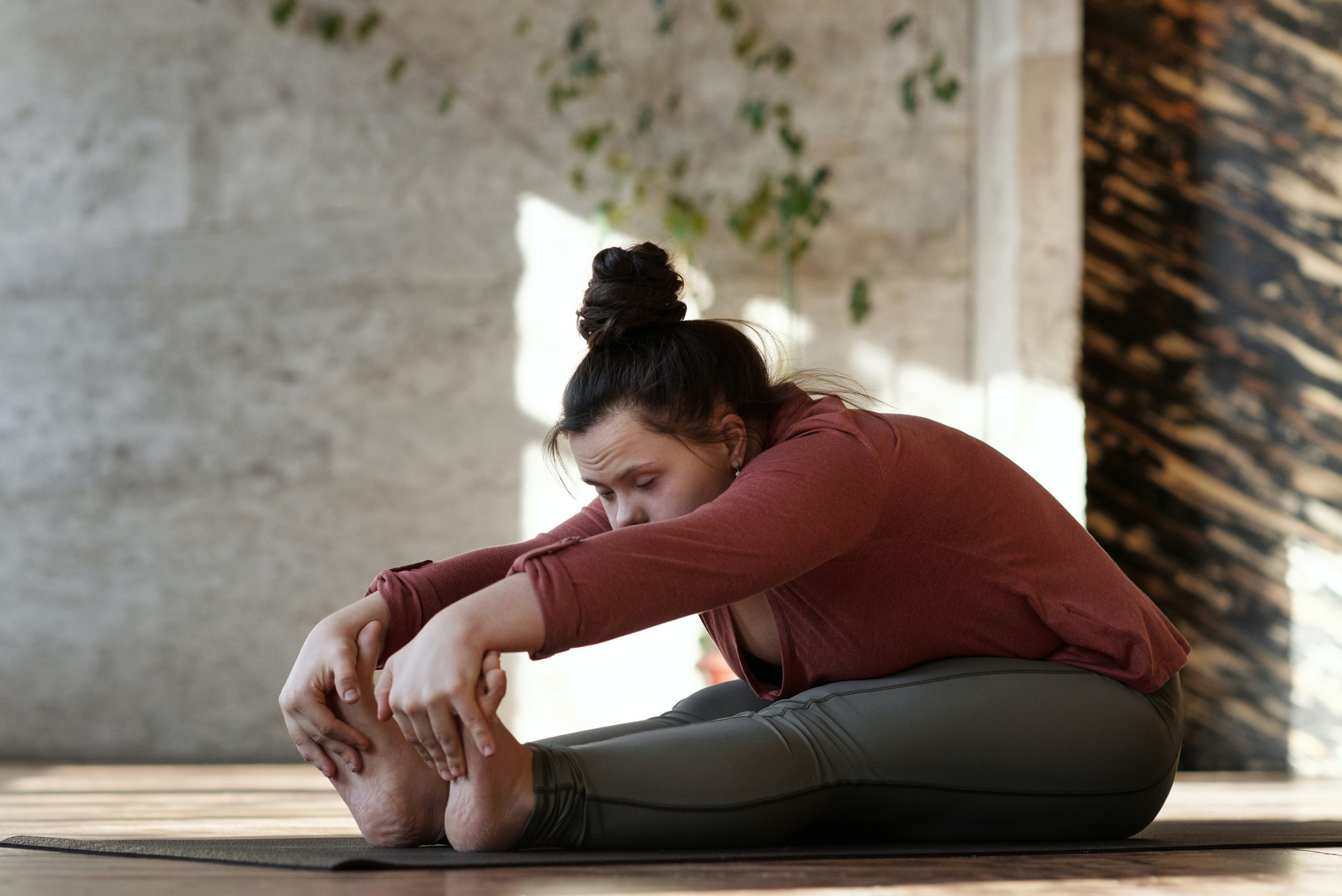
4 Ways to Stay Active This Fall (and How It Benefits Your Mental Health)
Are you looking for new ways to keep your family active this fall? With the current pandemic, we know that fall-inspired activities might not look the same this year, especially if you’re taking a pass on your favorite parades, festivals, or outings.
Even with a disruption to your normal fall activities, it’s important to find safe ways to stay active. Exercise and regular activity are essential for your mental health. Exercise boosts self-esteem, lifts your mood, and helps lessen the symptoms of anxiety and depression, according to the research published in The Primary Care Companion to the Journal of Clinical Psychiatry.
Here at Next Step 2 Mental Health, we understand the many benefits of staying active, and that’s why we recommend regular exercise and physical activity as part of a healthy lifestyle.
In the spirit of incorporating more physical activity into your everyday routine, we created this guide to get you started. Here are four activities to help you stay active this fall.
1. Go for a Hike

Hiking is often thought of as a summer activity, but hiking can benefit you year-round. In fact, a fall hike might be more comfortable as the temperatures ease up — plus you’ll have the added bonus of seeing beautiful fall foliage.
Hiking on natural trails is a great family-friendly option. And the best part? It’s easy to adhere to the CDC’s guidelines for social distancing while hiking. Depending on which trail you choose, you can make your outing as easy or as challenging as you wish.
Hiking can support your mental health in a variety of ways, according to the experts at Harvard Health. Simply spending time in nature serves as a natural stress reliever, while creating an opportunity to spend quality time with your family — which can also lift your mood. Hiking, especially if you are walking at an incline, supports your cardiovascular health and increases your circulation.
2. Schedule Unstructured Play
You don’t have to trek through the mountains to get a good dose of physical activity. You can simply migrate to your own backyard, and choose your favorite backyard activity:
- Catching a ball with your child
- Playing tag or hide-and-seek
- Playing soccer
- Shooting a basketball or even playing HORSE
- Doing a workout outside (lots of good workout routines you can find on YouTube)
- Playing fetch with your dog
Playing outside is a great way to incorporate younger members of your family. Physical activity supports the mental health of children and adults alike. As Next Step’s Certified Health Coach Pam Valdes says, “Anything that gets you moving is good for your health.”
3. Practice for a 5k (or Other Activity)
Setting goals — and working towards them — helps develop a sense of self-mastery and gives you something to look forward to. Even if there aren’t any scheduled 5K races near you, you can still create activity-related goals. If you’re not a runner, that’s okay. You can turn any physical activity into a goal.
Here are a few examples:
- You can aim to increase your daily step goal by 500 steps.
- You can make a goal to spend a few minutes playing catch in the yard with your kids.
- You can make a goal to add one more block to your walking route.
- You can make a goal to walk on the golf course instead of using a cart.
Tip: Goals can also include simply learning a new sport or activity.
4. Commit to Exercise as a Family

Staying active doesn’t have to mean 5 am workouts or super intense exercise programs. Dr. Brian Briscoe reminds us that “just 30 minutes of light physical activity is more than enough to generate significant benefits for physical and emotional health.”
Many parents may struggle to find time to fit exercise into the schedule, but it doesn’t have to be an “either / or” thing.
Dr. Briscoe continues, “If you can’t get away from the children, figure out a way to involve them. Take them on a walk, go on a bike ride, play soccer with them in the back yard.
Bottom line: There are plenty of ways to sneak more physical activity into each day of the week.
We’re Here When You Need Us
At Next Step 2 Mental Health, we care about the health and well-being of your entire family. Whether you or your child needs mental health care, we’re here to help with all of your family’s mental health needs.
To schedule an appointment, give us a call at 502-339-2442. You can also request an appointment online.
Learn More
Do Warm-Colored Lights Help Sleep?
Perhaps you’ve noticed that e-readers, smartphones, and other tablets have an option called “night mode” — have you ever wondered what “night mode” is and why the screen turns orange? What’s up with these warm-colored lights?
There’s a lot of discussion about warm-colored lights and how they affect your ability to get a good night of sleep. Getting a good night of sleep is critical for your physical and mental well-being. According to researchers, many conditions, including depression, anxiety, and ADHD, can interfere with your sleep so it’s essential to prioritize quantity and quality sleep.
And the big question is: can warm-colored lights really help you sleep better?
To get to the bottom of this question, we spoke with Monica Clark, LPA to get some answers.
What Exactly Is a Warm-Colored Light?
“To fully understand the role that warm-colored (red, orange, and yellow) light plays in sleep, it is important to first understand your body’s natural circadian rhythms and how various types of light affect sleep-wake cycle,” Monica says. She continues, “Circadian rhythms are basically your body’s 24-hour clock that helps you to naturally alter between sleepiness and alertness at regular intervals. It is commonly referred to as your sleep-wake cycle. Circadian rhythms are impacted by both natural and artificial light. With regard to natural light, when your brain, the hypothalamus to be more precise, receives a message from your eyes that it is dark, your brain stimulates the production of melatonin, leading to sleepiness.
In the modern-world, we are surrounded by artificial lighting 24-hours per day. A large percentage of this artificial light utilizes LED technology, which research has shown to emit blue light. LED lighting is found in many light bulbs, but also in back-lit electronics, such as televisions, computer screens, tablets, smart phones, and e-readers. Using these devices or being in a room lit with LED bulbs can serve to increase alertness and arousal in the brain and have a negative impact on sleep. [7] Research has supported that the brain is most sensitive to the impact of artificial light during the evening hours. [1] Additionally, there is some research to suggest that artificial green light, especially during evening hours, serves to decrease natural production of melatonin in the brain at similar levels to the blue light spectrum. [3][4][8]

As opposed to the cool-light spectrum, lighting using colors on the warm spectrum, which includes yellow, orange, and red tones, demonstrated health improvements. Research suggests that warm-light tones do not negatively impact melatonin secretion [6] and, in another study, Lin et al. [5] found that being in a room illuminated with lights on the warm light-spectrum increased production of both melatonin and glutamate, a neurotransmitter that plays an important role in learning and memory. Despite these benefits, however, there is research that suggests that exposure of high levels of any light color decreases subjective feelings of sleepiness and increases feelings of vigilance and arousal [2]; so, even while using beneficial warm lighting, it is important to focus on keeping the lighting low and dim.
So, what does this mean? Based upon current research, the best suggestion is to use bright, cool tones during daytime hours to increase alertness. During the darker, evening hours, when melatonin production and secretion is vital, switching to dim, warmer tones of lighting may create some benefit for sleep.”
How to Implement These Suggestions into Your Life
Now that we know how cooler tones affect your circadian rhythm, what can you do to increase your quality of sleep at night?
Here are Monica’s suggestions:
- Eliminate or decrease the use of back-lit electronics devices in the one to two hours before bed. This continues to be the strongest recommendation to minimize the impact of artificial light on sleep.
- If you absolutely cannot unplug completely, the use of red, orange, or yellow tinted glasses or screen covers filters some, but not all, blue light. Red lenses and covers have shown to also filter some green light as well.
- Switch some light fixtures in your home from bright, white lights to dim, warm-toned lights. Two hours before bed, switch off the white lighting and turn on warmer lighting. However, remember to use dim, not bright lights, regardless of the color.
If you’re reading on an e-reader or your smartphone, be sure to adjust the settings. It might say “Night Shift” or “Night Mode” depending on what device you’re using. See below for an example of what that looks like.

Is Something Else Affecting Your Ability to Sleep?
If you use warm-colored lights at night and practice good sleep hygiene, but still struggle to get a good night of sleep, it’s worth mentioning to your mental healthcare provider. Racing thoughts, insomnia, and anxious thoughts can keep you from a peaceful night of sleep. According to the National Alliance on Mental Health, about 50% of insomnia cases are connected to psychological distress, anxiety, or depression. If a mental health condition or past trauma is keeping you from getting the sleep you deserve, you may benefit from treating the underlying condition. Cognitive-behavioral therapy, for example, can help you control the unwanted thoughts that keep you awake at night.
Post-traumatic stress disorder (PTSD) and panic disorder are also known for causing nightmares and night terrors. According to the US Department of Veteran Affairs, as many as 96% of those with PTSD experience nightmares. Treatment for PTSD or panic disorder can also help eliminate nightmares and other sleep problems associated with the condition.
Here at Next Step 2 Mental Health, we provide comprehensive mental health care. Whether anxiety, trauma, PTSD, or other forms of psychological distress are impacting your ability to sleep, we can help you get the relief you need. Call 502-339-2442 or send us a message to request more information.
About Monica Clark
 Monica Clark is a Licensed Psychological Associate who focuses on treating children and adolescents struggling with anxiety, depression, and trauma-related emotional struggles. Monica uses Cognitive-Behavioral Therapy and trauma-focused therapy to help children and teens learn to self-regulate and have greater control over their thoughts and behaviors.
You can request an appointment with Monica here.
References
- Blume, C., Garbazza, C., & Spitschan, M. (2019). Effects of light on human circadian rhythms, sleep, and mood. Somnologie, 23(3), 147-156.
- Figueiro, M. G., Bierman, A., Plitnick, B., & Rea, M. S. (2009). Preliminary evidence that both blue and red light can induce alertness at night. BMC neuroscience, 10, 105.
- Gooley, J.J., Rajaratnam, S.M.W., Brainard, G.C., Kronauer, R.E., Czeisler, C.A., & Lockley, S.W. (2010). Spectral Responses of the Human Circadian System Depend on the Irradiance and Duration of Exposure to Light. Science Translational Medicine, 2(31), 31-33.
- Horne, J.A., Donlon, J., & Arendt, J. (1991). Green Light Attenuates Melatonin Output and Sleepiness during Sleep Deprivation. Sleep, 14(3), 233-240.
- Lin, J., Ding, X., Hong, C. et al. (2019). Several biological benefits of the low color temperature light-emitting diodes based normal indoor lighting source. Scientific Reports, 9, 7560.
- Morita T, Tokura H. (1996) Effects of lights of different color temperature on the nocturnal changes in core temperature and melatonin in humans. Applied Human Sciences, 15(5), 243-246.
- Thomas, Liji. (2019). Artificial Light Exposure and Circadian Rhythm. News-Medical. Retrieved from https://www.news-medical.net/health/Artificial-Light-Exposure-and-Circadian-Rhythm.aspx.
- Wright HR, Lack LC. (2001) Effect of light wavelength on suppression and phase delay of the melatonin rhythm. Chronobiol Int. 18(5):801-808.