logologologo


502-339-2442


CONTACT US

  • Home
  • About
    • About Us
    • Our Approach
  • Our Team
    • Expert Care Team
    • Testimonials
  • Services
  • Telehealth
  • Next Step Blog
  • Refill Request
  • Request Appt
    • Current Patients
    • New Patient (Adult)
    • New Patient (Under 18)
  • Contact Us
logologologo


502-339-2442


CONTACT US

  • Home
  • About
    • About Us
    • Our Approach
  • Our Team
    • Expert Care Team
    • Testimonials
  • Services
  • Telehealth
  • Next Step Blog
  • Refill Request
  • Request Appt
    • Current Patients
    • New Patient (Adult)
    • New Patient (Under 18)
  • Contact Us
  • Home
  • About
    • About Us
    • Our Approach
  • Our Team
    • Expert Care Team
    • Testimonials
  • Services
  • Telehealth
  • Next Step Blog
  • Refill Request
  • Request Appt
    • Current Patients
    • New Patient (Adult)
    • New Patient (Under 18)
  • Contact Us
featured_image

Depression in Children and Adolescents

June 19, 2016 by Alphonso Nichols, M.D. Alphonso Nichols Blog, Child Psychiatry, Child Psychology, Depression in Children, Mental Health Struggles in Children and Adolescents 0 comments

Depression in Children and Adolescents

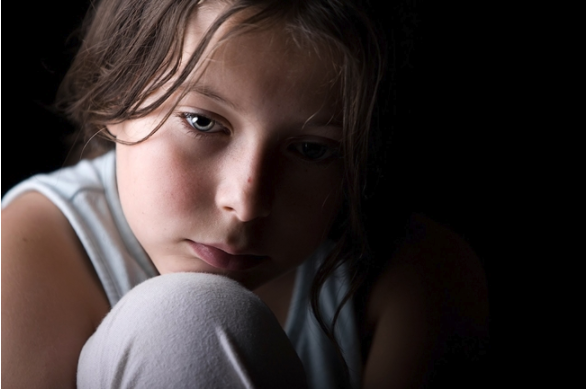
Children and adolescents can also be affected by depression. While it is less commonly diagnosed than with adults, it is important to recognize the signs and symptoms.

About 2.5 percent of children in the United States exhibit symptoms of depression. Depression is more common in boys below 10 years old, but, by age 16, girls are found to have a greater incidence of depression.


Depression in Children and Adolescents
Photo Credit

Causes

The causes of depression are varied and include genetic vulnerability, environment, physical health, family history, life events, and biochemical imbalances in the brain.

Symptoms

The symptoms of depression in children and adolescents are similar to those displayed by adults. Parents can help their children or adolescents break free from depression by recognizing the symptoms, including:

· Fatigue
· Irritability
· Anger
· Pessimism
· Rebellion
· Social withdrawal
· Sleep disturbances
· Suicidal thoughts
· Concentration difficulties
· Feeling of worthlessness
· Persistent sadness or hopelessness
· Intense ambivalence
· Low self-confidence
· Weight changes (either weight gain or loss)
· Anhedonia (loss of interest in previously enjoyed activities)


Diagnosis

Diagnosis is performed carefully because some of these behaviors occur in these age groups as part of a developmental stage.

There are no specific tests that can diagnose depression unequivocally. However, tools such as questionnaires (for both the child and parents) and personal information/history can be helpful in diagnosing depression in children.

The earlier a child or adolescent is diagnosed, the sooner he or she can begin treatment.


Medical treatment

Depression is a treatable medical condition. Depression that is not treated could worsen. Group therapy, family therapy, and partial or day-hospital programs are found to be helpful for many children and adolescents who suffer from depression.

The combination of psychotherapy and medication is believed to be most effective in treating depression in children and adolescents.

Depression in children and adolescents can have lasting effects on their lives as adults. If you think that your child or adolescent is suffering from depression, seek treatment from a psychiatrist or other mental health professional as soon as possible.

Call Next Step 2 Mental Health at 502-339-2442 and book an appointment with one of our highly-trained mental health professionals. You may also visit us through our website at Next Step 2MH.

Children's mental health depression in children teen depression
Prev
Next

Related Posts

Preparing for Telehealth: What Parents Need to Know
October 3, 2022

As parents, you've no doubt taken your child to dentist appointments, eye doctor...

Learn more
Adoption and Loss
November 29, 2015

All orphaned children have experienced traumatic loss on some level. When dealing...

Learn more

Categories

  • ACT Therapy
  • Addiction
  • ADHD
  • ADHD in Adults
  • ADHD in Children and Adolescents
  • Alphonso Nichols Blog
  • Anxiety
  • Anxiety and Stress
  • Autism
  • Bipolar Disorder in Adults
  • Brian Briscoe Blog
  • Child Anxiety
  • Child Psychiatry
  • Child Psychology
  • Christian perspectives on Mental Health Psychiatry and Psychology
  • Couple's Therapy
  • Depression
  • Depression in Children
  • GAD
  • Marriage
  • Mental Health
  • Mental Health Struggles in Children and Adolescents
  • MTHFR Gene Mutation
  • OCD
  • Parenting and Families
  • Parenting Children who are struggling with behavioral difficulties
  • Pastoral Care
  • PTSD
  • Religious OCD Series
  • Seasonal Affective Disorder
  • Self-Care
  • Telehealth
  • Therapy
  • Treatments
  • Uncategorized
  • Women’s Mental Health

Recent Posts

  • 10 Things You Can Do to Support Your Mental + Physical Health If You Have Seasonal Affective Disorder (SAD)
  • Religious OCD Series
  • What Autism Looks Like in Girls: Why It’s Often Missed
  • How OCD Hides in Plain Sight: What Every Parent Needs to Know
  • Moving Forward in Hope — A Final Word on Religious OCD

Contact Us Now

=

or Call Us at 1-800-503-2343

Latest News

  • 10 Things You Can Do to Support Your Mental + Physical Health If You Have Seasonal Affective Disorder (SAD)
    10 Things You Can Do to Support Your Mental + Physical Health If You Have Seasonal Affective Disorder (SAD)
    February 5, 2026
  • Religious OCD Series
    Religious OCD Series
    September 22, 2025
  • What Autism Looks Like in Girls: Why It’s Often Missed
    What Autism Looks Like in Girls: Why It’s Often Missed
    August 19, 2025
Premium Quality Mental Health Care in Kentucky provided by specialized and highly skilled professionals.

Contact Us

9720 Park Plaza Ave, Suite 102,
Louisville, KY 40241

502-339-2442


from 9:00 AM to 5:00 PM

contactus@nextstep.doctor

Fax:  502-996-8432

LATEST NEWS

  • 10 Things You Can Do to Support Your Mental + Physical Health If You Have Seasonal Affective Disorder (SAD)
    10 Things You Can Do to Support Your Mental + Physical Health If You Have Seasonal Affective Disorder (SAD)
    February 5, 2026
  • Religious OCD Series
    Religious OCD Series
    September 22, 2025

Quick Links

  • Home
  • About
  • Services
  • News
  • Gallery
  • Disclaimer
  • Contact Us

© 2021 Next Step 2 Mental Health. All Rights Reserved.