
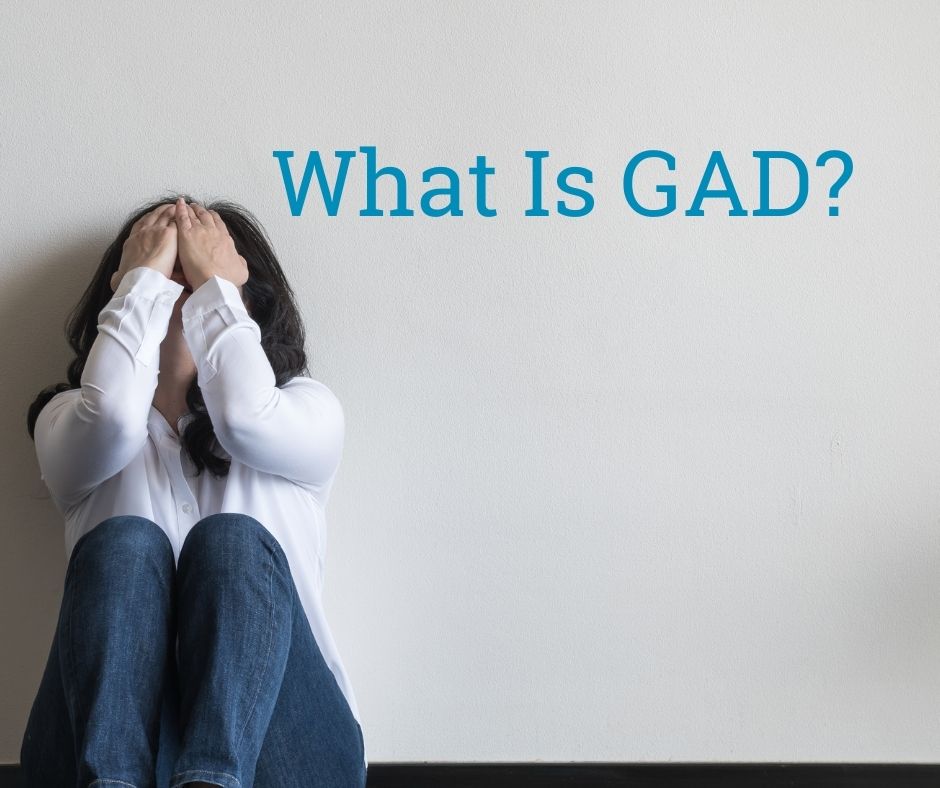
What Is Generalized Anxiety Disorder (GAD)?
Generalized anxiety disorder (GAD) is a condition wherein a person displays an excessive, uncontrollable, and sometimes irrational worry about everyday events and activities. The things that make a person worry and stress are often trivial things. In most cases, the worry disrupts daily life.
Some behaviors that may be present in anxious people include restlessness, fatigue, or feeling “on edge”. They may also experience sleep disturbances.
Additionally, many people with generalized anxiety disorder are susceptible to suffering from depression, alcohol abuse and other anxiety illnesses, including panic disorder or obsessive-compulsive disorder.
That’s where our multidisciplinary team here at NextStep2MentalHealth comes into play. We are experts at diagnosing and treating many different types of anxiety, including generalized anxiety disorder, panic disorder, OCD, and PTSD — all of which are different types of anxiety disorders.

What Causes GAD?
The cause of GAD is unknown. But studies show that some problems, such as infection, hyperthyroidism, and cancer can likely develop GAD. It was also found out that genes and certain medications like amphetamines (Ritalin) or too much caffeine can potentially cause anxiety or worry. When taking any medicines, be sure to tell your physician about it.
Learning to Recognize the Common Symptoms of GAD
People with GAD are often worried about many things in life. While they’re aware that some of it is obviously irrational, they still find it hard to control their anxiety.
The most common physical symptoms of GAD include the following:
- Fatigue
- Irritability
- Jumpiness
- Hot flashes
- Easily startled
- Lightheadedness
- Sleep disturbances
- Difficulty in swallowing
- Difficulty concentrating
- Sweating and feeling shaky
- Frequent trips to the bathroom
Diagnosis
Your doctor will ask you a series of questions to determine whether you have GAD. Your provider will ask about the symptoms you’re experiencing and how long you have had them.
Aside from that, your provider will ask you questions about your medical history and the medicines you are currently taking.
A person will be diagnosed with GAD if he or she has felt stressed and worried about multiple issues for six months or more.
Treating GAD
The two most commonly used treatments for GAD are medication and psychotherapy.
Psychotherapy
Applied relaxation therapy and cognitive-behavioral therapy are the two types of therapy commonly used to treat GAD.
Applied relaxation therapy involves imagining calm situations to help you relax. Cognitive-behavioral therapy, on the other hand, allows you to change the way you think and behave, especially when faced with multiple stressors and problems. CBT is also found to be tremendously effective in treating GAD.
Medication
The most common types of medication used for the treatment of GAD include selective serotonin reuptake inhibitors (SSRIs), serotonin and norepinephrine reuptake inhibitors (SNRIs), tricyclic antidepressants (TCAs), buspirone and benzodiazepines.
Buspirone is used to treat mild anxiety. Benzodiazepines are usually used as a last resort due to their habit-forming effects.
If you are looking for a trusted and experienced mental health doctor or therapist, contact us today to get started. Treatment is just a call or click away!
Remember, generalized anxiety disorder is often life-altering or can even be life-threatening. Seeking professional medical help is highly recommended.
Related Posts

6 Mental Health Wellness Tips
Are you looking for practical ways to achieve better mental health and balance in...

Boost Your Mental Health with These At-Home Activities
Whether you're stuck at home quarantining after a COVID exposure or you're simply...