
How to Calm Anxiety Fast: A Simple Breathing Technique That Helps
When anxiety rises, it can feel like it takes over quickly.
You might notice:
- A racing heart
- Tight chest
- Rapid breathing
- A sense of urgency or panic
In those moments, it often feels like your thoughts are the problem.
But if you’ve ever wondered, “How do I calm anxiety quickly?”, the answer often starts with the body—not the mind.
Understanding how to regulate your nervous system is the first step toward calming anxiety.
Quick Answer: How to Calm Anxiety
One of the most effective ways to reduce anxiety is to slow your breathing—especially your exhale.
A simple technique:
- Inhale for 4 seconds
- Exhale for 6 seconds
- Repeat for several breaths
Longer exhales help signal safety to the nervous system and can begin to reduce physical anxiety symptoms.
A Physician’s Perspective
From a physician perspective, anxiety is not just a thinking problem—it is a body-based response.
When anxiety increases, your nervous system shifts into a heightened state of alert.
Heart rate increases. Breathing becomes shallow. Muscles tighten.
Trying to “think your way out” of anxiety in that moment is often ineffective.
The goal is to first calm the body. Once the body settles, the mind becomes easier to manage.
Why Breathing Helps
Breathing directly affects the nervous system.
Short, rapid breaths signal stress or danger.
Slow, controlled breathing—especially with longer exhales—activates the body’s calming response.
This helps shift your system out of a stress response and toward a more regulated state.
You are not just calming your thoughts—you are influencing your physiology.
A Simple Breathing Exercise
Try this:
- Inhale through your nose for 4 seconds
- Exhale slowly through your mouth for 6 seconds
- Repeat for 5–10 breaths
Keep your breathing smooth and steady.
Focus more on the exhale than the inhale.
This technique is commonly used in anxiety treatment and can help reduce physical symptoms over time.
What You May Notice
As you practice this, you may notice:
- Your heart rate slowing
- Less tension in your chest or shoulders
- A slight sense of relief
- Improved ability to think clearly
The goal is not immediate elimination of anxiety, but a gradual reduction in intensity.
Common Mistakes When Trying to Calm Anxiety
1. Waiting Too Long
Many people try to use breathing techniques only after anxiety peaks.
These techniques work best when used early.
2. Breathing Too Fast
If you rush the exercise, it can increase tension.
Slow, steady breathing is key.
3. Expecting Immediate Relief
Breathing helps reduce intensity, but may not eliminate anxiety right away.
Consistency improves effectiveness.
4. Focusing Only on Thoughts
In high-anxiety moments, the body needs attention first.
Calm the body, then address the thoughts.
When to Use This Technique
This breathing exercise can be helpful:
- Before a stressful meeting
- During moments of rising anxiety
- When feeling overwhelmed
- Before reacting emotionally
- At bedtime to help wind down
Using it early makes it more effective.
One Small Step to Try Today
Pick one moment today to practice this breathing exercise—even if you’re not anxious.
Practicing when calm makes it easier to use when anxiety rises.
Consistency builds effectiveness.
When Should You Seek Help for Anxiety?
Consider talking with a doctor or therapist if anxiety:
- Occurs frequently or most days
- Feels difficult to control
- Interferes with work, school, or relationships
- Causes sleep problems
- Leads to avoidance of normal activities
- Is getting worse over time
Simple tools can help, but persistent anxiety often benefits from structured support.
Common Questions About Calming Anxiety
How quickly can breathing help with anxiety?
Some people notice changes within a few minutes. Others may need longer. Regular practice improves effectiveness.
Why does a longer exhale help?
Longer exhales activate the body’s calming response and help reduce physical tension.
Can breathing stop a panic attack?
Breathing can reduce the intensity of a panic response, but may not stop it completely. It helps you regain a sense of control.
What if it doesn’t work right away?
That’s normal. The goal is gradual improvement with consistent use.
What is one thing I can do today?
Practice slow breathing once today, even when you feel calm.
Related Mental Health Topics
- Do I Have Anxiety? 7 Signs You Shouldn’t Ignore
- Burnout vs Stress: How to Tell the Difference
- Am I Depressed or Just Having a Bad Week?
- Why Sleep Matters for Mental Health
Summary
When anxiety rises, the body is in control.
One of the most effective ways to calm anxiety is to work with the body—not against it.
Slow breathing, especially longer exhales, helps shift your nervous system toward a calmer state.
You don’t need to eliminate anxiety completely. You need to reduce its intensity and regain control.
Next Step
The next time you feel anxiety building, try this:
- Inhale for 4 seconds
- Exhale for 6 seconds
- Repeat for several breaths
Use it early, before anxiety peaks.
Small, consistent steps like this can make a meaningful difference over time.
If You Want Help Understanding This
Next Step 4 Mental Health provides physician-delivered psychiatric care for adults, adolescents, and children.
Patients are evaluated and treated directly by a physician, with a focus on clear diagnosis, practical next steps, and thoughtful treatment planning.
If you’re unsure what you’re experiencing—or if symptoms are starting to interfere with daily life—this is where structured guidance can help.
If you’d like to move forward, you can request an appointment at: www.nextstep.doctor
Learn More
Am I Depressed or Just Having a Bad Week? A Doctor Explains the Difference
Everyone has bad days.
You might feel:
- Low energy
- Unmotivated
- Irritable
- Mentally drained
Most of the time, those feelings pass.
But if you’ve been asking yourself, “Am I depressed or just having a bad week?”, it usually means something feels different—more persistent, more difficult to shake.
Understanding that difference is the first step toward clarity.
Quick Answer: Depression vs a Bad Week
A bad week comes and goes. Depression lingers.
Depression involves persistent low mood, reduced interest or pleasure, low energy, and changes in sleep, appetite, or concentration.
If these symptoms last most days for two weeks or more and begin to affect daily functioning, it may be depression rather than a temporary downturn.
A Physician’s Perspective
From a physician perspective, depression is one of the most common and treatable mental health conditions.
Depression is not simply sadness. It is a shift in mood, energy, and thinking that affects how you experience daily life.
The goal is not to pathologize every difficult period. The goal is to recognize when symptoms are persistent, affecting function, and not improving on their own.
What Is Depression?
Depression is a condition characterized by a sustained low mood or loss of interest, along with changes in energy, thinking, sleep, and behavior.
Depression affects both the mind and the body.
It can make even simple tasks feel more effortful, and it often reduces motivation and engagement.
Common Signs of Depression
1. Persistent Low Mood
You feel down, heavy, or flat most days.
This feeling tends to linger rather than pass.
2. Loss of Interest or Enjoyment
Things you used to enjoy no longer feel engaging.
This may include hobbies, social activities, or even time with family.
3. Low Energy
You feel physically or mentally drained.
Tasks that used to feel manageable may now feel overwhelming.
4. Changes in Sleep
You may:
- Sleep more than usual
- Have trouble falling asleep
- Wake up during the night
- Wake up early and not feel rested
5. Changes in Appetite
You may notice:
- Eating more or less than usual
- Weight changes
- Loss of appetite or increased cravings
6. Difficulty Concentrating
You may feel mentally foggy, distracted, or slower in your thinking.
7. Feelings of Guilt or Worthlessness
You may be more self-critical or feel like you’re not doing enough.
8. Withdrawal
You may pull back from people, responsibilities, or activities.
Depression vs a Bad Week: What’s the Difference?
| Bad Week | Depression |
| Triggered by a situation | May occur without a clear trigger |
| Improves with time | Persists over time |
| Mood fluctuates | Mood stays consistently low |
| Still able to enjoy some things | Loss of interest or enjoyment |
| Short-term | Lasts 2+ weeks or longer |
A bad week is part of normal life. Depression is more persistent and affects how you function.
One Small Step to Try Today
Start by tracking your mood.
At the end of each day, rate your mood from 1–10.
You don’t need to analyze it deeply—just notice the pattern.
This helps you move from “I feel off” to “I see what’s happening.”
Notice Patterns Over Time
If you’re wondering whether this is depression, look at patterns over several days:
- Is your mood low most days?
- Is it improving or staying the same?
- Are you losing interest in things you usually enjoy?
- Is your energy consistently low?
Patterns—not individual days—help clarify what’s going on.
When Should You Seek Help for Depression?
Consider talking with a doctor or therapist if symptoms:
- Last most days for two weeks or more
- Interfere with work, school, or relationships
- Affect sleep or appetite
- Lead to withdrawal from others
- Feel difficult to manage on your own
- Are getting worse over time
You do not need to wait until symptoms become severe.
Common Questions About Depression
Is depression the same as feeling sad?
No. Sadness is a normal emotion that usually passes. Depression is more persistent and affects energy, motivation, and thinking.
Can depression improve on its own?
Mild symptoms may improve with time and lifestyle changes. More persistent depression often benefits from structured treatment.
How long does depression last?
Depression can last weeks to months depending on severity and treatment.
Can depression affect physical health?
Yes. Depression can affect sleep, appetite, energy levels, and overall physical well-being.
What is one thing I can do today?
Start by tracking your mood daily. This helps identify patterns and determine whether symptoms are improving or persisting.
Related Mental Health Topics
- Do I Have Anxiety? 7 Signs You Shouldn’t Ignore
- Burnout vs Stress: How to Tell the Difference
- How to Calm Anxiety Fast
- Why Sleep Matters for Mental Health
Summary
A bad week comes and goes. Depression lingers.
If you’re asking, “Am I depressed?”, you are likely noticing a pattern of low mood, low energy, or loss of interest that is not improving on its own.
Recognizing that pattern is the first step.
You don’t need to fix everything at once. You need to take the next small step.
Next Step
If you’re unsure whether this is depression, track your mood over the next several days:
- Rate your mood each day
- Notice changes in energy
- Pay attention to interest and motivation
This simple step can help clarify whether symptoms are improving or persisting.
If You Want Help Understanding This
Next Step 4 Mental Health provides physician-delivered psychiatric care for adults, adolescents, and children.
Patients are evaluated and treated directly by a physician, with a focus on clear diagnosis, practical next steps, and thoughtful treatment planning.
If you’re unsure what you’re experiencing—or if symptoms are starting to interfere with daily life—this is where structured guidance can help.
If you’d like to move forward, you can request an appointment here.
Learn More
Burnout vs Stress: How to Tell the Difference (and What to Do Before It Gets Worse)
Most people don’t recognize burnout right away.
They think:
- “I’m just tired.”
- “Work has been busy.”
- “I need a break.”
- “I’ll feel better next week.”
If you’ve been asking yourself, “Am I burned out or just stressed?”, you’re usually noticing that something feels off—and it’s not going away.
Understanding the difference between stress and burnout is the first step toward getting back on track.
Quick Answer: Burnout vs Stress
Stress typically feels like too much. Burnout feels like not enough.
Stress involves pressure, urgency, and overload. Burnout involves exhaustion, detachment, and loss of motivation.
If you feel constantly drained, disconnected from your work or responsibilities, and no longer find things meaningful or engaging, you may be experiencing burnout rather than temporary stress.
A Physician’s Perspective
From a physician perspective, burnout is not simply “working too hard.”
Burnout is a state of prolonged emotional, mental, and physical exhaustion caused by sustained stress without adequate recovery.
It often develops gradually, which is why many people don’t recognize it until it starts affecting their performance, relationships, or sense of identity.
The goal is not just to reduce workload, but to recognize when your energy system is no longer recovering.
What Is Burnout?
Burnout is a condition characterized by three main features:
- Exhaustion
- Detachment or cynicism
- Reduced sense of effectiveness
Burnout is not just fatigue. It is a loss of energy combined with a loss of engagement.
You can still function with burnout—but it often feels harder, heavier, and less meaningful.
Common Signs of Burnout
1. Persistent Exhaustion
You feel tired even after rest.
This is not just end-of-day fatigue—it is a deeper, ongoing sense of depletion.
2. Loss of Motivation
Tasks that used to feel manageable or even enjoyable now feel like a burden.
You may find yourself procrastinating or avoiding responsibilities.
3. Emotional Detachment
You feel less connected to your work, your responsibilities, or even people around you.
This can show up as numbness, indifference, or cynicism.
4. Reduced Performance
You may feel less effective, less focused, or more easily overwhelmed.
Even simple tasks may take more effort than usual.
5. Irritability
Burnout often shows up as frustration.
You may feel less patient and more reactive.
6. Difficulty Recovering
Time off does not fully restore your energy.
Even after a weekend or short break, you still feel drained.
7. Feeling Stuck
You may feel like you’re going through the motions without a clear sense of progress or direction.
Burnout vs Stress: What’s the Difference?
| Stress | Burnout |
| Feels like too much to handle | Feels like nothing left to give |
| High urgency and pressure | Low motivation and detachment |
| Can still feel engaged | Often feel disengaged |
| Improves with rest | Does not fully improve with rest |
| Short-term | Develops over time |
Stress can lead to burnout if it continues without recovery.
Burnout is what happens when stress becomes chronic.
One Small Step to Try Today
Instead of trying to fix everything, start by identifying patterns.
Ask yourself two questions:
- What is one thing that consistently drains my energy?
- What is one thing that consistently gives me energy?
Then make a small adjustment:
- Reduce the drain slightly
- Increase the gain slightly
Even a 10% change can begin to shift your energy.
When Should You Take Burnout Seriously?
Consider taking action if you notice:
- Ongoing exhaustion that doesn’t improve
- Loss of motivation or engagement
- Feeling disconnected from work or responsibilities
- Declining performance
- Increased irritability
- Difficulty recovering after time off
Burnout is easier to address early than after it becomes severe.
Common Questions About Burnout
Is burnout the same as stress?
No. Stress involves overload and pressure. Burnout involves exhaustion and detachment.
Can burnout go away on its own?
Sometimes mild burnout improves with rest and changes in routine. More persistent burnout often requires intentional changes in workload, boundaries, or support.
How long does burnout last?
Burnout can last weeks to months depending on severity and whether meaningful changes are made.
Can burnout affect physical health?
Yes. Burnout can contribute to sleep problems, fatigue, headaches, and increased vulnerability to illness.
What is the first step to recovering from burnout?
The first step is recognizing it. Then identifying energy drains and making small, manageable adjustments.
Related Mental Health Topics
- Do I Have Anxiety? 7 Signs You Shouldn’t Ignore
- Am I Depressed or Just Having a Bad Week?
- How to Calm Anxiety Fast
- Why Sleep Matters for Mental Health
Summary
Stress feels like too much to handle. Burnout feels like nothing left to give.
If you’re asking whether you are burned out, you are likely noticing a pattern of exhaustion, detachment, or loss of motivation that is not resolving on its own.
Recognizing burnout early makes it easier to address. You don’t need to fix everything. You need to take the next small step.
Take the Next Step
If you’re wondering whether you are experiencing burnout, start by observing your energy patterns over the next few days:
- What consistently drains your energy
- What helps you feel even slightly better
- When your energy is lowest during the day
Then make one small adjustment.
Small changes, done consistently, are how recovery begins.
If You Want Help Understanding This
Next Step 4 Mental Health provides physician-delivered psychiatric care for adults, adolescents, and children.
Patients are evaluated and treated directly by a physician, with a focus on clear diagnosis, practical next steps, and thoughtful treatment planning.
If you’re unsure what you’re experiencing—or if symptoms are starting to interfere with daily life—this is where structured guidance can help.
If you’d like to move forward, you can request an appointment here.
Learn More
Do I Have Anxiety? 7 Signs You Shouldn’t Ignore (And What to Do Today)
Many people who are dealing with anxiety don’t think, “I have anxiety.”
They think:
- “I’m overwhelmed.”
- “I’m just stressed.”
- “I can’t turn my brain off.”
- “I should be handling this better.”
If you’ve been asking yourself, “Do I have anxiety?”, you’re usually noticing a pattern that doesn’t feel random anymore.
Understanding that pattern is the first step toward clarity—and toward feeling better.
Quick Answer: Do I Have Anxiety?
You may be experiencing anxiety if you frequently notice racing thoughts, physical tension, chest tightness, restlessness, irritability, sleep problems, or difficulty relaxing.
Anxiety symptoms often involve both the mind and the body.
Occasional anxiety is normal. But if anxiety symptoms are persistent, interfere with daily life, disrupt sleep, or lead to avoidance, it may be more than stress and worth evaluating.
A Physician’s Perspective
From a physician perspective, anxiety is one of the most common and treatable mental health concerns.
Anxiety is not a personal failure. It is a pattern of nervous system activation that becomes difficult to turn off.
The goal is not to label every stressful moment as a disorder. The goal is to recognize when anxiety symptoms are happening too often, too intensely, or for too long.
When that happens, anxiety can begin to affect work, school, relationships, and overall quality of life.
What Is Anxiety?
Anxiety is a state of heightened mental and physical alertness. It often includes excessive worry, increased tension, and physical symptoms such as chest tightness, muscle tension, restlessness, or a racing heart.
Anxiety is not just in your thoughts—it is a full-body response.
In short bursts, anxiety can be helpful. It prepares you to respond to challenges.
But when anxiety symptoms become persistent or disproportionate to the situation, they can become disruptive.
7 Signs of Anxiety You Shouldn’t Ignore
1. Racing Thoughts
Your mind continues working even when you want it to slow down.
You may replay conversations, anticipate problems, or think through multiple outcomes repeatedly.
Racing thoughts are one of the most common anxiety symptoms.
2. Physical Tension
Anxiety often shows up in the body.
Common physical anxiety symptoms include:
- Tight chest
- Racing heart
- Shallow breathing
- Muscle tension
- Stomach discomfort
- Restlessness
Sometimes the body feels anxious before the mind recognizes it.’
3. Irritability
Anxiety doesn’t always feel like fear—it often shows up as frustration.
You may feel short-tempered, easily overwhelmed, or less patient than usual.
Irritability is a common but often overlooked sign of anxiety.
4. Difficulty Relaxing
Even when you have time to rest, your body may stay in “go mode.”
You may feel restless, check your phone, or think about what you should be doing instead of relaxing.
Anxiety makes it difficult for the nervous system to fully settle.
5. Sleep Problems
Anxiety frequently affects sleep.
You may:
- Have trouble falling asleep
- Wake up during the night
- Feel unrefreshed in the morning
Poor sleep can worsen anxiety, and anxiety can worsen sleep.
6. Avoidance
You may begin avoiding situations that feel uncomfortable:
- Social events
- Work or school responsibilities
- Difficult conversations
Avoidance reduces anxiety short-term but strengthens anxiety long-term.
7. Feeling Like You’re “Bad at Life”
Many people with anxiety blame themselves.
They assume they should be handling things better.
In reality, anxiety symptoms often reflect an overactive nervous system—not a lack of ability.
Anxiety vs. Stress: What’s the Difference?
| Stress | Anxiety |
| Triggered by a specific situation | May occur without a clear cause |
| Improves when the situation resolves | Can persist after the situation ends |
| Feels proportional | Often feels excessive or ongoing |
| Temporary | Can become persistent or chronic |
Stress is a normal response. Anxiety becomes more concerning when it persists or interferes with daily functioning.
One Small Step to Try Today
Try a simple 2-minute body scan.
- Sit quietly and close your eyes
- Start at the top of your head
- Slowly move your attention downward
- Notice areas of tension
- Take slow breaths as you go
This is not about eliminating anxiety. It is about noticing anxiety earlier. Awareness is the first step toward change.
Track Your Symptoms for 3 Days
If you’re wondering, “Do I have anxiety?”, tracking your symptoms can help clarify patterns.
For the next 3 days, write down:
- When anxiety symptoms occur
- What was happening
- What you felt in your body
- What you were thinking
- Anxiety level (1–10)
Patterns—not single moments—help you understand anxiety.
When Should You Seek Help for Anxiety?
Consider talking with a doctor or therapist if anxiety symptoms:
- Occur most days
- Interfere with work, school, or relationships
- Disrupt sleep
- Lead to avoidance of normal activities
- Feel difficult to control
- Are getting worse over time
You do not need to wait until anxiety becomes severe to seek help.
Common Questions About Anxiety
Can anxiety cause physical symptoms?
Yes. Anxiety commonly causes chest tightness, rapid heart rate, shallow breathing, muscle tension, stomach discomfort, and restlessness.
Is anxiety the same as overthinking?
No. Overthinking is one part of anxiety. Anxiety also includes physical symptoms and behavioral patterns like avoidance.
How do I know if I have anxiety or just stress?
Stress is usually tied to a specific situation and improves when that situation resolves. Anxiety often persists beyond the trigger and may feel harder to control.
Can anxiety improve without medication?
Mild anxiety may improve with sleep, exercise, therapy, and stress management. More persistent anxiety may require structured treatment.
What is one thing I can do today for anxiety?
Start with a 2-minute body scan or track your symptoms for 3 days. Small steps help create clarity.
Related Mental Health Topics
- Burnout vs. Stress: How to Tell the Difference
- Am I Depressed or Just Having a Bad Week?
- How to Calm Anxiety Fast
- Why Sleep Matters for Mental Health
- ADHD vs. Anxiety: How to Tell the Difference
Summary
Anxiety is common, often misunderstood, and usually treatable.
If you’re asking, “Do I have anxiety?”, you are likely noticing patterns in your thoughts, body, or behavior that feel difficult to control.
Recognizing those patterns is the first step.
You don’t need to fix everything at once. You need to take the next small step.
Next Step
If you’re asking, “Do I have anxiety?”, start by noticing patterns over the next few days:
- When symptoms occur
- What’s happening around you
- What you feel in your body
- How intense it feels
You can track this on your phone or a piece of paper.
Patterns—not single moments—are what lead to clarity.
If You Want Help Understanding This
Next Step 4 Mental Health provides physician-delivered psychiatric care for adults, adolescents, and children.
Patients are evaluated and treated directly by a physician, with a focus on clear diagnosis, practical next steps, and thoughtful treatment planning.
If you’re unsure what you’re experiencing—or if symptoms are starting to interfere with daily life—this is where structured guidance can help.
If you’d like to move forward, you can request an appointment to talk through your symptoms and next steps.
If you’d like to move forward, you can request an appointment here.
Learn More

Is Your Mood As Changeable As The Kentucky Weather? Understanding Bipolar Disorder In Spring
If you’ve ever spent time in Kentucky, you know the joke: if you don’t like the weather, wait five minutes. One minute it’s sunny, the next it’s storming.
For people living with bipolar disorder, mood changes can sometimes feel just as unpredictable, especially during seasonal transitions like spring.
While many people feel a lift in mood as days get longer, spring can also trigger significant mood shifts for individuals with bipolar disorder. In fact, research shows that mania symptoms can peak in spring.
Understanding why this happens—and recognizing the signs early—can help you or a loved one get the support you need.
At Next Step 4 Mental Health, our team helps patients identify mood patterns, stabilize symptoms, and build a treatment plan that supports long-term emotional wellness.
Why bipolar symptoms can flare in spring

Seasonal changes affect more than just the weather. They influence your brain chemistry, sleep patterns, and circadian rhythm, all of which play a major role in mood regulation.
For individuals with bipolar disorder, several springtime factors can trigger symptoms:
Increased daylight
Longer days can disrupt the body’s natural sleep-wake cycle. Changes in circadian rhythm can trigger manic or hypomanic episodes in people with bipolar disorder.
Sleep disruption
Spring activities, travel, or simply more sunlight in the evening can reduce sleep. Even small sleep changes can destabilize mood.
Changes in brain chemistry
Sunlight influences serotonin and dopamine levels. These shifts may elevate mood rapidly in some individuals, potentially triggering mania.
Seasonal energy changes
Spring often brings a surge of energy and activity. While this can feel positive at first, it may intensify impulsivity, racing thoughts, or emotional instability for someone with bipolar disorder.
Signs bipolar symptoms may be worsening
Mood shifts can sometimes be subtle at first. Recognizing early warning signs can make a big difference in preventing a full mood episode.
Watch for symptoms such as:
Signs of mania or hypomania
- Feeling unusually energized or “wired”
- Decreased need for sleep
- Racing thoughts or rapid speech
- Increased irritability
- Risky or impulsive decisions
- Unusually high confidence or grand ideas
Click here to learn more about hypomania in the spring here.
Signs of bipolar depression
- Persistent sadness or emptiness
- Loss of interest in activities
- Fatigue or low motivation
- Difficulty concentrating
- Changes in appetite or sleep
- Feelings of hopelessness
If mood swings begin interfering with work, relationships, sleep, or daily functioning, it may be time to seek professional support.
When to reach out for help
Bipolar disorder is highly treatable, but early care matters. Many people wait too long to seek help because they assume their symptoms are simply stress or seasonal mood changes.
Consider reaching out if you notice:
- Mood swings that feel extreme or difficult to control
- Periods of unusually high energy followed by crashes
- Trouble sleeping for several days in a row
- Impulsive decisions that feel out of character
- Mood changes that disrupt work, school, or family life
Getting the right diagnosis and treatment plan can dramatically improve quality of life.
How Next Step can help
At Next Step 4 Mental Health, we specialize in evaluating and treating mood disorders, including bipolar disorder.
Our team provides:
Comprehensive psychiatric evaluations
A thorough assessment helps determine whether symptoms are related to bipolar disorder or another mood condition.
Personalized treatment plans
Treatment may include medication management, therapy, or lifestyle strategies to stabilize mood and prevent episodes.
Ongoing support and monitoring
Regular follow-ups help ensure treatment stays effective as your needs change.
Care for teens and adults
Our team of clinicians works with individuals across different life stages to support long-term mental wellness.You don’t have to navigate mood changes alone. With the right support, bipolar disorder can be managed successfully.
Get help for bipolar disorder in Louisville, Kentucky
If your mood feels as unpredictable as spring weather, it may be time to talk with a mental health professional.
The team at Next Step 4 Mental Health is here to help you understand your symptoms and build a path toward balance, stability, and well-being.
Learn More

10 Things You Can Do to Support Your Mental + Physical Health If You Have Seasonal Affective Disorder (SAD)
When the days grow shorter and colder, many people notice changes in mood, energy, motivation, and focus. For some, these seasonal shifts are marked by Seasonal Affective Disorder (SAD)—a form of depression that follows a seasonal pattern, most commonly during fall and winter.
The most effective support for SAD looks at mental and physical health together. Small, consistent habits can gently support your nervous system, mood, and energy levels over time.
Here are 10 practical, realistic ways to care for yourself this season, courtesy of the Next Step 4 Mental Health Team in Louisville, KY.
1. Start Your Day With Light (Even If the Sun Isn’t Out)
Light plays a key role in regulating your circadian rhythm, serotonin, and sleep-wake cycle. During winter, reduced daylight can disrupt all three.
Try this:
- Open curtains immediately after waking
- Sit near a window while eating breakfast
- Spend 10–15 minutes outdoors when possible
- Use a light therapy box in the morning if recommended by your psychiatrist at Next Step 4 Mental Health
This simple habit helps signal to your brain that the day has begun.
2. Move Your Body—Gently and Regularly
Movement is one of the most effective tools for managing seasonal mood changes. It boosts endorphins, improves sleep quality, and reduces stress hormones.
Helpful options include:
- Walking (indoors or outdoors)
- Gentle yoga or stretching
- Light strength training
- Dancing, swimming, or cycling
On low-energy days, even 5–10 minutes can be enough to make a difference.
3. Practice a Simple Daily Breathing Exercise
Intentional breathing helps calm the nervous system and reduce anxiety, which often increases during the winter months.
Try box breathing:
- Inhale for 4 seconds
- Hold for 4 seconds
- Exhale for 4 seconds
- Hold for 4 seconds
- Repeat for 2–5 minutes.
This is especially helpful in the morning, before bed, or during moments of overwhelm.
Prefer to Listen?
Tune into this mini podcast and follow along.
4. Create a Winter Journal (Without Pressure)
Journaling supports emotional processing and self-awareness—but it doesn’t need to be long or emotional to be effective.
Try simple prompts such as:
- One thing I did for myself today
- One thing that felt hard—and one thing that helped
- What my body needs today
- One small win
Short, consistent entries are often more sustainable than long writing sessions.
👉 Want a simple place to start?
Download the Next Step 4 Mental Health Winter Journal—a free, printable guide with gentle prompts designed to support mood, clarity, and emotional well-being during the winter months.
5. Nourish Your Body With Mood-Supportive Foods
Nutrition plays a direct role in mood, energy, and inflammation. During winter, balanced meals can help stabilize blood sugar and prevent energy crashes.
Focus on:
- Protein for steady energy
- Healthy fats (olive oil, nuts, seeds)
- Complex carbohydrates (vegetables, whole grains)
- Warm meals like soups and stews
👉 Helpful resource:
If meal planning feels overwhelming—especially for those with ADHD—check out our ADHD-friendly recipe book, which focuses on simple, nourishing meals designed to support focus, energy, and consistency.
6. Protect Your Sleep Routine
SAD often disrupts sleep patterns, leading to oversleeping or difficulty falling asleep.
Support healthier sleep by:
- Keeping consistent bed and wake times
- Dimming lights in the evening
- Limiting screens one hour before bed
- Creating a calming nighttime routine
👉 Try our guided progressive muscle relaxation video. This technique helps release physical tension and signals the nervous system that it’s safe to rest.
7. Stay Connected—Even When You Want to Isolate
Isolation can quietly worsen SAD symptoms. Gentle social connection helps protect mental health, even when motivation is low.
Consider:
- Texting one trusted person
- Scheduling a short walk or coffee
- Joining a class, group, or faith-based activity
- Attending therapy consistently
Connection doesn’t need to be frequent or intense to be meaningful.
8. Build Comfort and Structure Into Your Days
Winter can feel long and unstructured, which may increase low mood or anxiety. Simple routines provide a sense of predictability and safety.
Examples include:
- A morning light-and-tea ritual
- A mid-day movement break
- Evening journaling or reading
- Weekly meal planning
Structure doesn’t limit freedom, but it does support it.
9. Spend Time Outdoors (Even Briefly)
Fresh air and natural light support mood regulation, even on cloudy days.
Fun fact:
In Scandinavian cultures—where winters are long and dark—people intentionally embrace outdoor time year-round. Practices like friluftsliv emphasize spending time outside for mental well-being, even in cold weather. The focus isn’t on perfect conditions, but on connection with nature.
A short walk or even sitting outside for a few minutes can help reset your nervous system.
10. Reach Out for Professional Support When You Need It
If seasonal symptoms last more than a few weeks, worsen, or interfere with daily life, professional support is important.
At Next Step 4 Mental Health, our team helps individuals:
- Understand and manage SAD
- Develop realistic coping strategies
- Address anxiety and depression
- Build sustainable mental wellness routines
SAD is real, and support can help you feel more like yourself again.
You Don’t Have to Push Through Winter Alone
Seasonal Affective Disorder affects both the mind and body, but small, supportive habits can create meaningful change over time. If winter feels heavier than it should, reaching out is a strong and healthy next step.
When to Consider Professional Support in Louisville, KY
If Seasonal Affective Disorder is affecting your energy, sleep, motivation, or physical functioning, it may be time to seek professional support. SAD often shows up as both mental and physical symptoms, and a coordinated care approach can make a meaningful difference.
At Next Step 4 Mental Health, our team of medical providers—including psychiatrists in Louisville—supports whole-person care. This integrated approach is especially helpful when mood changes are connected to fatigue, chronic pain, sleep disruption, or reduced physical activity during the winter months.
Our team can help you:
- Address seasonal depression and anxiety
- Build sustainable coping strategies
- Improve sleep, energy, and daily functioning
- Coordinate care with rehabilitation and physical medicine specialists when appropriate
If you’re searching for comprehensive mental health support in Louisville, KY, we’re here to help.
Take the next step today.
Contact Next Step 4 Mental Health to schedule an appointment and get support that treats both your mental and physical well-being—this season and beyond.
Learn More
Religious OCD Series
As a practicing psychiatrist who holds my Christian faith dear to my heart, I have had the privilege of walking alongside patients through some of their most challenging mental health struggles. In addition to my clinical work, I have served as Chair of the Psychiatry Section of the Christian Medical and Dental Association (CMDA), where I have had the opportunity to collaborate with colleagues who share both clinical expertise and a heart for ministry.
Over many years of practice and through numerous conversations with colleagues from CMDA, I have recognized a significant gap in both academic literature and church resources addressing Religious OCD, also known as scrupulosity. Despite being a deeply impactful condition, Religious OCD remains largely misunderstood and under-discussed. Individuals who struggle with this form of OCD — along with their families and church communities — often find themselves navigating these difficulties in isolation and confusion.
Understanding Religious OCD Series
1. Episode #1: Religious OCD Series Kickoff
Listen to the podcast ⤵️
2. Episode #2: When Faith Becomes a Source of Fear – Understanding Religious OCD
Imagine feeling an overwhelming fear that you’ve unknowingly committed a sin, even though you have done nothing wrong. Or obsessing that a past sin you have committed has not been forgiven, even though you have accepted Christ and know that in Him all sins are forgiven. You pray repeatedly, seeking reassurance from God, yet the fear does not go away. You confess the same sin over and over, but relief never lasts. Instead, doubt creeps back in, stronger than before. This is the reality for many individuals suffering from Religious OCD, also known as scrupulosity.
Listen to the podcast ⤵️
3. Episode #3: What Are Intrusive Thoughts and What Do They Really Mean?
Intrusive thoughts are unwanted, distressing ideas or images that seem to come out of nowhere. While everyone experiences them, those with Religious OCD often struggle to let them go, fearing they mean something about their faith or morality.
Have you ever had a shocking or disturbing thought pop into your head seemingly at random? Maybe an offensive thought about God, an irrational fear that you’ve committed a terrible sin, or an image that feels completely out of character for you? Most people experience occasional intrusive thoughts, but for those with Religious OCD, these thoughts can become overwhelming and deeply distressing.
Instead of dismissing them as random mental noise, a person with Religious OCD may believe these thoughts are spiritually significant or revealing of their true nature. This misunderstanding can lead to anxiety, endless rumination, and compulsive behaviors aimed at proving or disproving the thought’s meaning.
Listen to the podcast ⤵️
4. Episode #4: Why Compulsions Keep You Stuck in Religious OCD
Listen to the podcast ⤵️
5. Episode #5: When Faith Feels Heavy: The Emotional Toll of Religious OCD
Religious OCD can turn faith into a source of anxiety rather than peace, leading to avoidance, isolation, and spiritual exhaustion. Understanding these effects can help believers reclaim a grace-filled relationship with God.
Listen to the podcast ⤵️
6. Episode #6: Biological Treatments for Religious OCD: How Medication and Supplements Can Help
Listen to the podcast ⤵️
7. Episode #7: TMS + Hope for OCD
For those struggling with Religious OCD, Transcranial Magnetic Stimulation (TMS) offers another promising tool. Understanding how it works can help believers make informed decisions about this treatment as part of God’s provisions for healing.
Listen to the podcast ⤵️
8. Episode #8: ERP Therapy and Religious OCD: Can Faith and Treatments Work Together?
Listen to the podcast ⤵️
9. Episode #9: Supporting a Spouse with Religious OCD
Listen to the podcast ⤵️
10. Episode #10: How Parents Can Recognize and Support a Child with Religious OCD
Religious OCD can start in childhood or adolescence. As a parent, knowing how to recognize the signs and offer loving, faith-sensitive support is crucial for helping your child find hope and healing
Listen to the podcast ⤵️
11. Episode #11: How Pastors Can Recognize and Respond to Religious OCD in Their Congregations
Pastors are often the first to hear the spiritual struggles of their congregants. Recognizing Religious OCD and knowing how to respond with grace and wisdom can prevent misunderstanding and offer hope.
Listen to the podcast ⤵️
12. Episode #12: How Small Groups Can Support Members Struggling with Religious OCD
Listen to the podcast ⤵️
13. Season Finale
If you’ve followed this series from the beginning, you now understand what Religious OCD is, how it manifests, and how it affects individuals and their loved ones. You’ve learned about treatments, support strategies, and how churches, small groups, pastors, spouses, and parents can respond with wisdom and grace.
But perhaps the most important takeaway is this: Religious OCD does not mean a lack of faith. It is not evidence that someone is failing spiritually. Rather, it is a mental health condition that often attaches itself to the things we care about most — for believers, that is often their relationship with God.
Learn More
What Autism Looks Like in Girls: Why It’s Often Missed
Autism is often thought of as a condition that predominantly affects boys. According to the CDC, boys are identified with autism about four times more often than girls.
That being said, research shows that girls on the spectrum are frequently underdiagnosed. In fact, as many as 80% of females with autism remain undiagnosed at age 18.
To compound matters, autism in girls often presents differently, making it harder to spot.
Understanding these differences is crucial for parents, educators, and caregivers to ensure girls receive the support they need.
3 Reasons Why Autism Is Often Missed in Girls
Autism may be harder to spot in girls due to the following:
Subtle Social Differences
Girls with autism may have strong social skills on the surface, such as being talkative or eager to please, which can mask underlying challenges. They often mimic peers’ behaviors to fit in, making it harder for adults to recognize social struggles.
While they may appear socially competent, they can still experience anxiety, loneliness, and difficulty forming meaningful friendships.
Intense Interests, But Often “Acceptable” Ones
Autistic girls frequently have deep interests, just like boys, but their passions may align with socially acceptable topics—like animals, books, or arts—rather than the stereotypical “trains or numbers” interests more often seen in boys.
Because these interests are normalized, adults may not see them as part of a broader pattern of autism.
Sensory Sensitivities and Emotional Differences
Girls with autism may experience heightened sensitivity to lights, sounds, textures, or smells. They may become easily overwhelmed or anxious, which can be misattributed to moodiness or shyness.
Emotional regulation challenges are common, but because they often internalize feelings, these signs are less obvious than in boys, who may display more outward behaviors.
Masking and Mental Health
Many autistic girls develop strong masking skills—learning to hide behaviors that might be seen as socially unacceptable.
While this can help them navigate social situations, it can be exhausting and lead to anxiety, depression, or burnout. Masking is one of the main reasons girls are often diagnosed years later than boys—sometimes not until high school or adulthood.
Why Early Recognition Matters
Early identification and support can make a significant difference in a girl’s social, emotional, and academic development. Awareness of the subtle ways autism presents in girls allows parents, teachers, and clinicians to provide targeted interventions and accommodations that help them thrive.
Resources for Parents and Caregivers
- CDC Autism Spectrum Disorder Information
- Autism Society
- Organization for Autism Research – Girls on the Spectrum
- Autistic Girls Network
What to Do If You Suspect Autism in Your Child
If you notice signs of autism in your daughter—such as difficulty making friends, sensory sensitivities, intense but narrow interests, or emotional overwhelm—don’t wait and see. Early action is key.
At Next Step 4 Mental Health, we start with a comprehensive evaluation. Autism is diagnosed based on patterns of behavior and developmental differences, not a single test.
Once diagnosed, we work with families to create a personalized care plan, which may include social skills training, therapy for anxiety or emotional regulation, school-based support, and parent coaching.
If you have concerns, call Next Step today to schedule an evaluation. The sooner your child gets the right support, the more opportunities she has to build confidence and thrive.
About Dr. Allison Yoder

Dr. Allison Yoder is a Louisville native who graduated from the University of Louisville School of Medicine in 2010. She is certified by the American Board of Psychiatry & Neurology in Psychiatry (2015) and Child and Adolescent Psychiatry (2016). Additional certifications include LGBT health certificate (2018).
Specialties
Dr. Yoder specializes in Child and Adolescent Psychiatry, trauma, PTSD, trauma-related anxiety, mood disorders, and autism.
Faculty Appointments
Teaching is important to Dr. Yoder as she continues to serve as a Clinical Instructor at University of Louisville Department of Pediatrics through a gratis faculty appointment.
Awards and Publications
Dr. Yoder has received:
- Top Doctor award (2016)
- Centerstone KY Individual Performance Recognition Award (2017)
- AACAP Advocacy Day travel grant (2014)
Dr. Yoder has also published an article in Louisville Medicine entitled “Counteracting Bullying and Preventing Suicide Through Trauma-Informed Care and Resilience.” You can read it here.
You can now book an appointment with Dr. Yoder here or give us a call at our Louisville, Kentucky mental health clinic at 502-339-2442 .
Learn More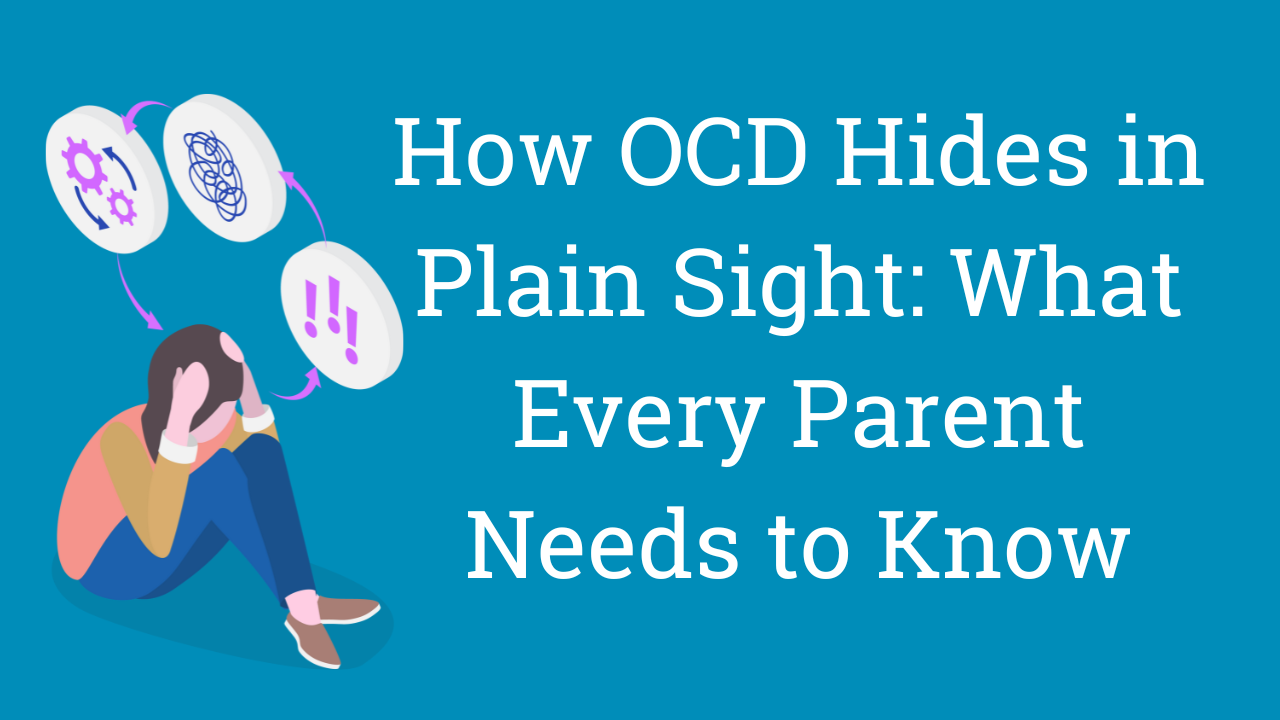
How OCD Hides in Plain Sight: What Every Parent Needs to Know
As a parent, you’re always watching out for your child—especially when something seems off. Maybe your child worries more than other kids. Maybe they ask the same questions over and over. Or maybe they have small routines that feel a little… rigid.
Many parents are unsure whether their child is struggling with anxiety, OCD, or something else entirely.
At Next Step 4 Mental Health, we regularly work with families who say: “We didn’t realize it was OCD. We thought she was just being extra careful… or he was just going through a phase.”
The truth is, OCD often hides in plain sight—and recognizing the signs early can make a huge difference.
Anxiety and OCD: Close Cousins, Not Twins
Anxiety disorders and obsessive-compulsive disorder (OCD) often look similar from the outside. Both can lead to excessive worry, avoidance, restlessness, and emotional distress.
However, while anxiety is typically centered on fear of something bad happening, OCD involves intrusive thoughts (obsessions) and/or repetitive behaviors (compulsions) aimed at reducing that distress—even when the child knows the thoughts or actions may not make logical sense.
For example:
- A child with anxiety might worry constantly about failing a test.
- A child with OCD might feel they have to tap their pencil three times before writing, believing it will prevent something bad from happening to a loved one.
Because of the overlap in symptoms — and the high rate of comorbidity — a thorough clinical assessment is important to clarify what’s really going on and guide effective treatment.
Common Signs OCD May Be Hiding in Plain Sight
Some red flags to watch for:
- Repetitive behaviors that seem excessive or rigid
- Intense distress when routines aren’t followed exactly
- Needing constant reassurance—even about things that seem small
- Unusual guilt or fear about harm coming to others
- Mental rituals (such as counting, “canceling out” thoughts, or silent repetition)
Sometimes OCD can even be mistaken for ADHD, autism, or behavioral problems—especially if the child becomes irritable, withdrawn, or perfectionistic.
Why Early Support Matters
The earlier OCD is recognized and treated, the better. Children and teens can learn healthy coping strategies and reduce compulsive behaviors with therapy—and in some cases, medication may be helpful.
At Next Step 4 Mental Health, our team includes child and adolescent psychiatrist Dr. Sofeia Aslam, who specializes in anxiety-related concerns. Her article, How to Spot the Signs of Anxiety in Kids, is a great companion resource if you’re not sure what you’re seeing.
We also offer comprehensive evaluations and therapy plans tailored to your child’s needs.
Learn more about evaluations here: Everything You Need to Know About Full Psychological Evaluations in Louisville
You’re Not Alone—And You’re Not a “Bad” Parent
Families often feel the pressure to have it all together. But mental health doesn’t discriminate—and getting help doesn’t mean you’ve failed. It means you care.
If your child is showing signs of distress, rituals, or overwhelming anxiety, we’re here to help. You don’t have to figure it out alone.
Get expert care from professionals who understand the complexities of OCD and anxiety in children.
Give us a call to learn more about our services.
About Dr. Aslam
 Dr. Aslam is from Lexington, Kentucky. She graduated from the University of Pikeville in 2018. She completed her residency and fellowship training in child and adolescent psychiatry at the University of Kentucky in 2023.
 When she’s not working, she enjoys spending time with her family, traveling, trying out new restaurants, and baking.
Areas of Specialty
Dr. Aslam specializes in child and adolescent psychiatry, anxiety, OCD, mood disorders, and ADHD.
Awards
- Outstanding Graduating Resident, June 2023
- University of Kentucky Child and Adolescent Psychiatry Chief Resident, June 2021-2022
You can now book an appointment with Dr. Aslam here.
Moving Forward in Hope — A Final Word on Religious OCD
This is the final article in the Religious OCD Series.
Religious OCD can feel overwhelming, but it does not have to define a person’s faith or life. God’s grace is bigger than obsessive thoughts and compulsive behaviors. There is hope, healing, and freedom ahead.
Introduction
If you’ve followed this series from the beginning, you now understand what Religious OCD is, how it manifests, and how it affects individuals and their loved ones. You’ve learned about treatments, support strategies, and how churches, small groups, pastors, spouses, and parents can respond with wisdom and grace.
But perhaps the most important takeaway is this: Religious OCD does not mean a lack of faith. It is not evidence that someone is failing spiritually. Rather, it is a mental health condition that often attaches itself to the things we care about most — for believers, that is often their relationship with God.
A Word to Those Struggling
If you are struggling with Religious OCD, please know this: You are not alone, and you are not beyond hope. God sees your heart, knows your struggles, and is not measuring your worth by your thoughts or compulsions. He is a God of mercy, grace, and steadfast love.
Keep seeking help — through therapy, medication if needed, community support, and prayer. Trust that healing is a journey, not a moment. Progress may be slow at times, but God walks with you every step.
A Word to Those Who Love Someone with Religious OCD
If you are a spouse, parent, pastor, small group leader, or friend supporting someone with Religious OCD, your role is vital. Your patience, kindness, and encouragement can help break the isolation and shame that often accompany this struggle. Continue to learn, listen, and offer grace. Walk alongside them as a steady, compassionate presence.
Encouragement from Scripture
Romans 8:38-39
“For I am sure that neither death nor life, nor angels nor rulers, nor things present nor things to come, nor powers, nor height nor depth, nor anything else in all creation, will be able to separate us from the love of God in Christ Jesus our Lord.”
Psalm 34:18
“The Lord is near to the brokenhearted and saves the crushed in spirit.”
Final Encouragement
Religious OCD is a challenging burden, but it is not the end of your story. There is hope, healing, and freedom to be found — both through the gifts of therapy, medicine, and community, and most of all through the unchanging grace of God.
May you move forward in confidence, trusting not in your own perfection but in Christ’s sufficiency.
Thank you for joining us in this series. If you or a loved one are in Kentucky and seeking help, please reach out to Next Step 4 Mental Health for resources and support.
God bless you on the journey ahead.
Need More Support? Here Are Trusted Resources
If any of this is resonating with your own experience, and you’re ready to explore it further, here are a few reputable resources that can help—grounded in both compassion and clinical expertise:
International OCD Foundation – Faith and OCD
Offers compassionate, faith-sensitive guidance and resources for those navigating OCD in a religious context. Developed by mental health professionals who respect spiritual concerns.
Cleveland Clinic – Understanding OCD
A clear, accessible overview of OCD by Dr. Scott Bea, a psychologist known for making complex topics feel approachable. Hosted by one of the most trusted medical institutions in the world.
Harvard Health Publishing – OCD in Children
An excellent resource for parents, pastors, or mentors trying to understand compulsive behaviors in young people. Grounded in current medical research and clinical insight.
Note: This article is for educational purposes only and is not intended as medical advice. Please consult a licensed mental health provider for appropriate care.
Learn More