
12 Tips to Deal with Family Tension During Thanksgiving Dinner
Thanksgiving is a time for gratitude and connection, but family gatherings can sometimes come with tension and stress. The good news is you can manage these moments with a little preparation and the right mindset.
Here are 12 tips to help you navigate family dynamics and make the holiday enjoyable for everyone, courtesy of the Next Step 4 Mental Health team.
1. Set Realistic Expectations
Understand that not every family moment will be picture-perfect. Embrace the imperfections and focus on enjoying the positive aspects of the gathering.
2. Practice Gratitude
Shift your focus to what you’re thankful for, like good food, being together, or personal milestones. Gratitude can help create a positive atmosphere and reduce stress. Learn more about gratitude here.
3. Plan Ahead
If you know certain topics lead to conflict, consider steering conversations toward lighter subjects like hobbies, shared memories, or favorite holiday traditions.
4. Establish Personal Boundaries
Decide beforehand what behavior or topics you’re not willing to tolerate, and stick to those boundaries. It’s okay to say, “Let’s agree to disagree,” or excuse yourself from a heated discussion.
You might also consider saying:
- “I’m not comfortable discussing this right now, but if you’d like to discuss it privately, we can plan for that.”
- “I’d rather not share my opinion on XYZ, but I’d love to share more about the latest trip I took. Would you like to see a few pictures?”
5. Take a Breather
Step outside for fresh air or retreat to a quiet room if things get overwhelming. Even a five-minute break can help reset your mood and reduce tension.
6. Bring a Mediator
Sometimes, having a friend or partner present can ease tension and help keep interactions balanced. Their neutral perspective may help defuse potential conflicts.
7. Focus on the Kids
If there are children at the gathering, engage with them. Playing a game, watching a movie, or helping with activities can be a fun distraction from family drama.
8. Stay Busy
Offer to help in the kitchen, refill drinks, or set the table. Staying engaged in tasks can help you avoid getting drawn into difficult conversations.
9. Choose Your Battles
Not every comment or disagreement needs a response. Sometimes, letting go of minor annoyances can keep the peace and preserve your energy. You can learn more about fair fighting here.
Or, click here to learn more about communication in marriage.
10. Practice Empathy
Try to understand where others are coming from. Tension often arises from misunderstandings, and a little compassion can go a long way in diffusing it.
To learn more about empathy, tune into this video narrated by Brene Brown:
11. Have an Exit Strategy
If the situation becomes too stressful, have a plan to leave early. Politely excuse yourself, citing an early morning or other commitments, and prioritize your well-being.
12. Seek Support if Needed
If family tension is a recurring issue, consider speaking with a therapist or counselor to explore strategies for managing these dynamics. You might even consider therapy BEFORE attending a gathering. This can help give you the tools you need to stay calm and create your boundaries.
Thanksgiving is an opportunity to connect, but it’s also important to prioritize your mental health. At Next Step 4 Mental Health, we’re here to help you navigate family challenges and create a path to healthier relationships. Reach out to our team if you need extra support this holiday season.
Learn More
How Certain Wavelengths Help with SAD
When Seasonal Affective Disorder (SAD) hits, it can feel overwhelming, but light therapy offers a proven solution. Specific wavelengths of light can have a significant impact on alleviating SAD symptoms by mimicking natural sunlight and boosting serotonin levels.
But not all light therapy products are created equal, and knowing which ones are backed by evidence is key.
What is SAD?
First things first: what is SAD?
SAD is a type of depression that follows a seasonal pattern, most commonly starting in late fall and lasting through winter when daylight hours are shorter.
People with SAD may experience fatigue, low energy, increased appetite, difficulty concentrating, and feelings of hopelessness or sadness. These symptoms can affect your daily life and overall well-being if left untreated.
Signs of SAD to Watch Out For
Common signs of SAD include:
- Persistent low mood or irritability
- Losing interest in activities you once enjoyed
- Difficulty waking up or feeling excessively tired during the day
- Weight gain or cravings for carbohydrate-rich foods
- Difficulty concentrating or making decisions
If you notice these symptoms during specific times of the year, especially in the fall and winter months, it could be time to consider treatment options.
How Light Therapy Can Help
Consult Your Healthcare Provider First: Before starting light therapy, it’s essential to speak with your healthcare provider. If you have both SAD and bipolar disorder, light therapy should be carefully considered. Rapidly increasing light exposure or using the lightbox for extended periods may trigger manic episodes in those with bipolar disorder.
Additionally, if you have any eye conditions, such as glaucoma, cataracts, or diabetes-related eye damage, it’s crucial to get advice from an eye specialist before beginning light therapy.
How a Light Therapy Box Works
A light therapy box simulates outdoor light, which may help adjust chemicals in the brain responsible for mood and sleep regulation. This can alleviate SAD symptoms, such as fatigue and oversleeping.
When choosing a light therapy box, make sure it:
- Provides 10,000 lux of light exposure
- Minimizes ultraviolet (UV) light
Generally, you should use the lightbox:
- Within the first hour of waking
- For 20 to 30 minutes
- Positioned about 16 to 24 inches from your face (follow the manufacturer’s guidelines for distance)
- With your eyes open, but without directly staring at the light
Since light therapy boxes aren’t FDA-regulated for SAD treatment, it’s important to carefully select one that fits your needs.
Always consult with your physician before trying light therapy.
What to Consider When Choosing a Light Box
Here are some key factors to think about:
- Is it specifically for SAD?: Light therapy lamps meant for skin conditions emit UV light, which can harm your eyes. Make sure the lightbox is intended for treating SAD.
- Brightness: The recommended intensity for SAD treatment is 10,000 lux. Brighter light boxes may reduce the amount of time needed each day compared to dimmer models.
- UV Light: Ensure the light box filters out most or all UV light. If you’re unsure, consult the manufacturer for safety information.
- Eye Safety: Look for a light box with built-in eye protection. If you have pre-existing eye conditions, ask your eye specialist for advice.
- Size and Portability: Light boxes come in various shapes and sizes. Consider whether you need a portable option if you plan to travel during fall and winter.
- Location: Choose a spot where you can easily integrate light therapy into your routine, like while reading or watching TV. Follow the manufacturer’s instructions to make sure you’re sitting at the proper distance for optimal results.
Using a light therapy box correctly, with professional guidance, can make a significant difference in managing SAD symptoms effectively.
Warning: Choose Light Therapy Carefully
It’s important to select a light therapy lamp that offers 10,000 lux of brightness, as research supports this intensity for treating SAD. Be cautious when purchasing—many products may claim to help but lack the necessary specifications or evidence to back their effectiveness.
What to Avoid
Always choose a light therapy product based on scientific evidence. Avoid lamps that offer dimmer lights or those that don’t disclose the lux level. Opt for trusted brands that specify the correct intensity and have positive reviews based on clinical success. By being mindful, you can use light therapy safely and effectively to combat SAD.
Always consult with your physician before trying light therapy.
How Next Step 4 Mental Health Can Help
Next Step 4 Mental Health offers a comprehensive approach to treating SAD. Our experienced professionals are well-versed in counseling, medication management, and other evidence-based treatments that can help you regain balance.
We create personalized treatment plans, combining therapy, lifestyle modifications, and, when necessary, medication to ensure you have the support you need.
Lifestyle Tips to Help with SAD
In addition to seeking professional care, there are several lifestyle changes you can make to help ease the symptoms of SAD:
- Get outside: Exposure to natural sunlight, even for short periods, can help boost your mood.
- Stay active: Regular exercise improves your mental health and combats low energy.
- Maintain a routine: Stick to a consistent sleep schedule to regulate your body’s internal clock.
- Eat a balanced diet: Focus on nutrient-rich foods to help maintain stable energy levels and mood.
When to Reach Out for Help
If you notice that SAD is starting to interfere with your daily life, work, or relationships, it’s time to reach out for help. Seeking support early can prevent symptoms from worsening and help you get back to feeling like yourself again.
Next Step 4 Mental Health is here to help you manage SAD with proven treatments and expert care. Reach out to schedule an appointment and take the next step toward feeling better.
Learn More
8 Mental Health Tips for Fall: Managing the Seasonal Shift
As the days get shorter and the temperatures drop, it’s common to feel a shift in mood and energy levels. The decreasing daylight in the fall can impact your mental health, but there are steps you can take to stay balanced.
Here are some tips to help you manage the seasonal change and protect your well-being.
1. Embrace Natural Light
With fewer daylight hours, it’s important to make the most of natural light. Spend time outdoors during the day, especially in the morning, to boost your mood and energy. If getting outside is tough, try to position yourself near windows to absorb as much sunlight as possible.
2. Maintain a Regular Sleep Routine
The shift in daylight can disrupt your sleep-wake cycle. Establish a consistent sleep schedule to help regulate your body’s internal clock. Aim for 7-9 hours of sleep each night, and avoid screens before bedtime to encourage better rest.
You can learn more about how light affects your sleep here.
3. Stay Active
Exercise is a powerful mood booster, especially when the darker days make you feel sluggish. Whether it’s a brisk walk, yoga, or a workout at the gym, staying physically active can increase endorphins and help combat feelings of fatigue or sadness.
4. Practice Mindfulness
Mindfulness practices like meditation, deep breathing, or journaling can help you stay grounded during the seasonal transition. Set aside a few minutes each day to focus on your mental and emotional well-being, reducing stress and improving your mood.
Try this guided muscle relaxation before bed:
5. Connect with Others
Fall can bring a sense of isolation as the days grow shorter, so it’s important to stay connected with friends and family. Regular social interaction, even virtual, can help combat loneliness and provide emotional support during this time of year.
6. Keep Your Diet Balanced
What you eat can have a big impact on how you feel. Focus on nourishing foods that support your mental health, like leafy greens, whole grains, and omega-3 rich foods like salmon or walnuts. Avoid relying on sugary snacks or caffeine, which can lead to energy crashes and mood swings.

7. Consider Light Therapy
If you find that the lack of daylight significantly affects your mood, light therapy may be an option. Light boxes can mimic natural sunlight, helping to alleviate symptoms of seasonal depression.
Before beginning light therapy, it is important to consult with a physician for recommendations regarding wavelength, dose, duration, timing, etc.
8. Don’t Hesitate to Seek Help
If feelings of sadness, fatigue, or anxiety become overwhelming or persistent, reaching out to a mental health professional can be beneficial. Seasonal Affective Disorder (SAD) is a form of depression that’s triggered by seasonal changes, and it’s important to get the support you need if you’re struggling.
How Next Step 2 Mental Health Can Help
At Next Step 2 Mental Health, we understand how the change in seasons can impact your emotional well-being. Our team of mental health professionals is here to support you through this transition, offering therapy, counseling, and tailored treatment plans for managing seasonal challenges.
Don’t wait to take action—reach out to us today to learn how we can help you maintain your mental health this fall and beyond.
Learn More

Managing Back-to-School Anxiety in Teens
As the new school year begins, many teens experience a mix of excitement and anxiety. For some, the prospect of returning to school can be overwhelming and lead to heightened stress and anxiety.
Understanding the sources of this anxiety and implementing strategies to manage it can help teens navigate the school year with confidence and resilience.
Here’s what you need to know.
Understanding the Sources of Anxiety
Back-to-school anxiety in teens can stem from various factors, including:
- Academic Pressure: The fear of not meeting academic expectations can be a significant source of stress. Teens may worry about grades, exams, and the ability to keep up with coursework.
- Social Concerns: Friendships and peer relationships are crucial during adolescence. Worries about fitting in, making new friends, or dealing with bullying can contribute to anxiety.
- Changes in Routine: The shift from a relaxed summer schedule to a structured school routine can be jarring. Adjusting to early mornings, homework, and extracurricular activities can be challenging.
- Uncertainty and Change: Starting a new school, entering a different grade, or having new teachers and classmates can create feelings of uncertainty and fear of the unknown.
Signs Your Teen is Struggling with Anxiety
It’s important to recognize the signs that your teen may be struggling with back-to-school anxiety.
These can include:
- Physical Symptoms: Complaints of headaches, stomachaches, or fatigue without a clear medical cause may indicate anxiety. You can read more about some of the lesser-known symptoms of anxiety and depression here.
- Changes in Behavior: Your teen may become withdrawn, irritable, or have difficulty concentrating. They might also avoid school-related activities or express reluctance to attend school.
- Sleep Disturbances: Difficulty falling asleep, staying asleep, or waking up feeling unrested can be linked to anxiety. Learn how lighting can impact sleep in Monica Clark’s post here.
- Appetite Changes: Anxiety can lead to changes in eating habits, such as loss of appetite or overeating.
If you notice these signs, it’s important to address the issue and provide support. Early intervention can prevent anxiety from escalating and impacting your teen’s overall well-being.
Strategies to Manage Back-to-School Anxiety
There are several effective strategies you can use to help your teen manage back-to-school anxiety:
- Open Communication: Encourage your teen to talk about their worries and fears. Listen without judgment and validate their feelings. Knowing they have a safe space to express their concerns can be reassuring.
- Problem-Solving Together: Work with your teen to identify specific stressors and brainstorm solutions together. Whether it’s time management, making new friends, or handling difficult subjects, helping them develop a plan can reduce anxiety.
- Practice Relaxation Techniques: Teach your teen relaxation techniques such as deep breathing, mindfulness, or progressive muscle relaxation. These can be useful tools for managing anxiety in the moment.
- Establish a Routine: Help your teen establish a consistent daily routine that includes time for homework, relaxation, and social activities. A predictable schedule can reduce the stress of uncertainty.
- Encourage Social Connections: Encourage your teen to maintain and build social connections. Whether through extracurricular activities, clubs, or simply spending time with friends, strong social ties can provide emotional support.
When to Seek Professional Help
While many teens experience some level of anxiety when returning to school, severe or persistent anxiety may require professional intervention. If your teen’s anxiety is interfering with their daily life, causing significant distress, or if you notice signs of depression, it may be time to seek help from a mental health professional.
At Next Step 2 Mental Health, we offer specialized support for teens dealing with anxiety and other mental health challenges. Our team of professionals can work with your teen to develop coping strategies and provide the tools they need to manage anxiety effectively.
Here for You
Back-to-school anxiety is a common experience for many teens, but with the right support and strategies, it can be managed effectively. By understanding the sources of anxiety, recognizing the signs, and implementing practical coping techniques, you can help your teen navigate the school year with confidence.
If your teen’s anxiety persists or becomes overwhelming, don’t hesitate to seek professional help. With the right care, your teen can thrive both academically and emotionally. Click here to schedule an appointment with us.
Learn More

5 Tips for Teens Preparing for College: Focusing on Mental Health
Preparing for college is an exciting yet challenging time for many teens. As you anticipate the new experiences and opportunities that await, it’s essential to prioritize your mental health.
A strong mental foundation can help you navigate the transition smoothly and make the most out of your college experience.
Here are five tips to help you prepare for college with your mental health in mind, courtesy of the Next Step team.
1. Establish a Self-Care Routine
Before heading off to college, it’s important to develop a self-care routine that you can maintain during your time there. Self-care involves activities that help you recharge and manage stress. This could include:
- Regular Exercise: Physical activity can significantly impact your mood and stress levels. Find an exercise routine that you enjoy, whether it’s jogging, yoga, or playing a sport.
- Healthy Eating: Balanced nutrition plays a crucial role in your mental well-being. Aim to eat a variety of nutritious foods and stay hydrated.
- Adequate Sleep: Prioritize getting enough sleep each night. Aim for 7-9 hours to ensure you’re well-rested and ready to face the day.
2. Learn Stress Management Techniques
College life can be stressful, with academic pressures, social challenges, and being away from home. Learning effective stress management techniques can help you cope with these demands.
Some techniques to consider include:
- Mindfulness and Meditation: Practices like deep breathing, meditation, and mindfulness can help you stay calm and centered. Try this meditation from ADHD Coach Pam Valdes.
- Time Management: Develop good time management skills to balance your academic and social life effectively. Use planners, calendars, or digital tools to keep track of assignments and commitments.
- Relaxation Techniques: Find what works best for you, whether it’s listening to music, reading, or spending time in nature.
3. Build a Support System
Having a strong support system is vital for your mental health. Before you leave for college, identify people who can offer support, including:
- Family and Friends: Stay connected with your family and friends back home. Regular check-ins can provide comfort and reassurance.
- On-Campus Resources: Familiarize yourself with the mental health resources available at your college. This might include counseling services, mental health workshops, and peer support groups.
- New Connections: Be open to forming new friendships and joining clubs or organizations. Building new relationships can help you feel more connected and supported in your new environment.
4. Set Realistic Expectations
Adjusting to college life can take time, and it’s important to set realistic expectations for yourself. Understand that it’s okay to:
- Feel Homesick: Missing home is a natural part of the transition. Allow yourself to feel these emotions and find ways to cope, such as talking to loved ones or bringing comforting items from home.
- Face Challenges: College comes with its own set of challenges. It’s normal to encounter obstacles, whether academic or social. Don’t hesitate to seek help when needed.
- Take Breaks: Give yourself permission to take breaks and relax. Overloading yourself with commitments can lead to burnout. Balance your workload with downtime.
5. Seek Professional Help if Needed
If you find yourself struggling with your mental health, don’t hesitate to seek professional help. Many colleges offer free or low-cost mental health services. Consider:
- Counseling Services: Many colleges have on-campus counseling centers where you can talk to a therapist or counselor about any issues you’re facing.
- Health Centers: Visit your college’s health center for information on mental health services and support.
- Online Resources: There are numerous online resources and hotlines available if you need immediate assistance or support.
- Telehealth: If you’re heading off to school in Kentucky, NextStep2MentalHealth offers telehealth for Kentucky residents within state lines.
Your Mental Health Matters!
Transitioning to college is a significant milestone, and prioritizing your mental health is crucial for a successful and enjoyable experience. By establishing a self-care routine, learning stress management techniques, building a support system, setting realistic expectations, and seeking professional help when needed, you can prepare yourself for the challenges and opportunities that college life brings.
At NextStep2MentalHealth, we are committed to supporting teens and young adults as they navigate this exciting journey. Remember, taking care of your mental health is a continuous process, and it’s okay to ask for help along the way. Wishing you a fulfilling and mentally healthy college experience!
Need more guidance on preparing for college? Contact NextStep2MentalHealth today to learn more about our services and how we can support you.
Learn More

Mental Health Tips for Men: Embrace Wellness This Men’s Health Month
June is Men’s Health Month, a time dedicated to raising awareness about health issues that affect men and encouraging them to prioritize their well-being.
While physical health often takes the spotlight, mental health is equally important. At NextStep2MentalHealth, our multidisciplinary team believes that addressing mental health head-on can lead to a happier, healthier life.
Here are some practical mental health tips tailored for men.
1. Talk About Your Feelings
Society often teaches men to suppress their emotions, but opening up about how you feel is crucial for mental well-being. Talk to a friend, family member, or therapist about what’s on your mind.
Expressing your emotions can reduce stress and help you gain perspective on your problems.
2. Prioritize Physical Activity
Regular exercise is a powerful tool for improving mental health. Physical activity releases endorphins, which are natural mood lifters. Whether you prefer running, lifting weights, or playing sports, find an activity you enjoy and make it a regular part of your routine.
Need motivation? Check out this blog: [How to Get Motivated to Work Out When You’re Depressed]
3. Stay Connected with Others
Maintaining strong relationships is essential for mental health. Spend time with friends and family, join social clubs, or participate in group activities. Building a support network provides a sense of belonging and can help you through tough times.
4. Seek Professional Help When Needed
There’s no shame in asking for help. If you’re struggling with anxiety, depression, or any other mental health issue, seeking professional support is a smart and courageous step.
Our team can provide strategies and treatments to help you manage your symptoms and improve your quality of life.
5. Practice Mindfulness and Relaxation Techniques
Mindfulness and relaxation techniques, such as meditation and deep breathing exercises, can significantly reduce stress and anxiety. Dedicate a few minutes each day to mindfulness practices to clear your mind and find inner peace.
Try this guided meditation to relax:
6. Maintain a Balanced Diet
What you eat can affect your mood and energy levels. A balanced diet rich in fruits, vegetables, lean proteins, and whole grains can promote better mental health. Avoid excessive alcohol and caffeine, as they can exacerbate anxiety and depression.
7. Get Enough Sleep
Quality sleep is essential for mental health. Aim for 7-9 hours of sleep per night and establish a regular sleep routine. Avoid screens before bedtime and create a calming environment to improve your sleep quality.
To learn more about how warm-colored lights can affect your sleep, read this blog “Do Warm-Colored Lights Help You Sleep Better”?
8. Set Realistic Goals
Setting and achieving goals can give you a sense of purpose and accomplishment. Break larger tasks into smaller, manageable steps and celebrate your progress along the way. This can boost your confidence and reduce feelings of overwhelm.
Click here to learn more about SMART goals.
9. Limit Stress
Stress wreaks havoc on your mind and body. Men tend to handle stress differently than women and are more prone to dissociate or externalize it as anger.
Identify the sources of stress in your life and find ways to manage them. This might involve time management techniques, delegating tasks, or simply taking time for yourself to unwind. Reducing stress can improve both your mental and physical health.
10. Engage in Activities You Enjoy
Make time for hobbies and activities that bring you joy. Whether it’s reading, hiking, playing music, or anything else you love, engaging in enjoyable activities can provide a much-needed mental break and boost your mood.
Take the Next Step for Your Mental Health
This Men’s Health Month, take proactive steps to prioritize your mental well-being. At NextStep2MentalHealth, we’re here to support you on your journey. Remember, seeking help and taking care of your mental health is a sign of strength. Embrace these tips, reach out when needed, and take charge of your mental health today.
Click here to request an appointment.
Learn More

What Is the MTHFR Gene Mutation? And How Does It Affect You?
In recent years, the MTHFR gene has garnered attention for its role in various health conditions and how its mutations can impact your well-being. From cardiovascular health to mental wellness, understanding the implications of MTHFR gene mutations can provide valuable insights into personalized healthcare and lifestyle choices.
Join us as we explore the science behind MTHFR gene mutations and uncover their potential effects on our health and everyday lives.
What Are the Health Implications of the MTHFR Gene Mutations?
Mutations in the MTHFR gene can lead to a variety of health issues, largely due to their impact on your body’s ability to process folate and homocysteine.
A few quick definitions:
Folate
Folate, also known as vitamin B9, is a water-soluble vitamin that plays a crucial role in various bodily functions, particularly in cell division and DNA synthesis. It is essential for the formation of red blood cells and the proper development of the fetal neural tube during pregnancy, which is critical for preventing birth defects like spina bifida. Folate is naturally found in foods such as leafy green vegetables, citrus fruits, beans, and fortified grains.
Note: In supplement form, it is often referred to as folic acid. Folic acid is the synthetic version of folate. This will be an important element to note later in this blog.
Homocysteine
Homocysteine is an amino acid that is produced in the body as part of the process of breaking down the amino acid methionine. Under normal conditions, homocysteine levels are kept in check through various biochemical pathways. However, elevated levels of homocysteine in the blood may indicate problems with these metabolic pathways and are associated with an increased risk of cardiovascular disease, stroke, and other health issues. Factors such as genetic predisposition, poor diet, smoking, and certain medical conditions can contribute to high homocysteine levels. Monitoring and managing homocysteine levels may help with maintaining cardiovascular health.
Now that we’ve defined folate and homocysteine, let’s talk about how the MTHFR mutation can affect your body’s ability to process them.
Some of the key health problems associated with MTHFR mutations include, but are not limited to:
- Elevated Homocysteine Levels: One of the direct consequences of MTHFR mutations is elevated levels of homocysteine, an amino acid in the blood, which is linked to an increased risk of heart diseases, stroke, and peripheral vascular diseases.
- Cardiovascular Disease: The inability to properly metabolize homocysteine can lead to its accumulation, contributing to the development of heart disease and stroke by promoting atherosclerosis (hardening of the arteries).
- Neurological and Psychiatric Disorders: There’s mixed (inconclusive) evidence suggesting the possibility of a link between MTHFR mutations and an increased risk of various neurological and psychiatric conditions, including depression, anxiety, bipolar disorder, and schizophrenia. According to research published in a 2022 article in Frontiers, MTHFR C677T in particular is associated with increased risk of major depressive disorder, bipolar disorder, and schizophrenia. The exact mechanisms are not fully understood but may relate to the role of folate in neurotransmitter synthesis and DNA methylation.
- Increased Cancer Risk: Some studies suggest that MTHFR mutations may be linked to a slightly increased risk of certain cancers, including but not limited to colon cancer and leukemia, possibly due to effects on DNA synthesis and repair.
- Studies have also show a link between MTHFR mutations and Pregnancy Complications and Birth Defects.
What to Do If You Have the MTHFR Mutation
While the thought of having a genetic mutation can sound daunting at first, remember knowledge is power. There are many things you can do:
Supplements to Help
If someone has an abnormal MTHFR genotype, such as the common C677T or A1298C mutations, they may have reduced efficiency in converting folate (vitamin B9) to its active form, methylfolate.
Here are some dietary supplements that might be helpful:
- Methylfolate (L-Methylfolate): This is the bioactive form of folate that can be directly utilized by the body, bypassing the need for conversion by the MTHFR enzyme.
- Vitamin B12 (Methylcobalamin or Hydroxocobalamin): B12 works closely with folate in the methylation cycle. Using methylcobalamin or hydroxocobalamin forms of vitamin B12 can be more effective, as they are more readily utilized by individuals with MTHFR mutations.
- Omega-3 Fatty Acids: These can support brain health and function, contributing to improved mood and cognitive function. Omega-3s are not directly related to the MTHFR mutation but can be beneficial for overall physical and mental health.
- Vitamin B6 (Pyridoxal-5-Phosphate): B6 in its active form, Pyridoxal-5-Phosphate (P-5-P), is crucial for the metabolism of homocysteine and the synthesis of neurotransmitters. It helps in the conversion of homocysteine to methionine, a reaction that can be affected by MTHFR mutations.
- Zinc: Zinc can also support the methylation process, making it a helpful supplement.
A word of caution: don’t grab the synthetic folic acid!
For individuals with the MTHFR gene mutation or other conditions that affect folate metabolism, avoiding folic acid (synthetic form of folate) and opting for methylfolate or natural sources of folate may be recommended. This is because some individuals may have difficulty metabolizing folic acid efficiently, which can lead to elevated levels of unmetabolized folic acid in the bloodstream.
Excessive levels of unmetabolized folic acid have been associated with potential adverse health effects, although more research is needed to fully understand the implications.
Foods to Eat
If you have the MTHFR gene mutation, focusing on foods rich in natural forms of folate, as well as other nutrients involved in methylation processes, may be beneficial.
Here are some examples of foods that are high in these nutrients:
- Leafy Green Vegetables: Spinach, kale, Swiss chard, and other leafy greens are excellent sources of folate. They also contain other essential nutrients like vitamins A, C, and K, as well as minerals like iron and magnesium.
- Legumes: Beans, lentils, chickpeas, and peas are rich in folate, fiber, and protein. They are versatile ingredients that can be incorporated into various dishes, such as soups, salads, and stews.
- Cruciferous Vegetables: Broccoli, Brussels sprouts, cauliflower, and cabbage are not only high in folate but also contain compounds that support detoxification processes in the body.
- Avocado: Avocados are a good source of folate, as well as healthy fats, fiber, and potassium. They can be enjoyed on toast, in salads, or blended into smoothies.
- Citrus Fruits: Oranges, lemons, limes, and grapefruits are rich in vitamin C, which is important for supporting immune function and enhancing iron absorption. Some citrus fruits also contain folate.
- Beets: Beets are packed with folate, as well as antioxidants and dietary nitrates that support cardiovascular health. They can be roasted, steamed, or grated raw into salads.
- Asparagus: Asparagus is a good source of folate and contains compounds that support liver health and detoxification processes.
- Eggs: Eggs are rich in several nutrients, including folate, choline, and B vitamins. They can be prepared in various ways, such as boiled, scrambled, or poached.
- Nuts and Seeds: Walnuts, almonds, flaxseeds, and chia seeds are good sources of folate, as well as healthy fats, protein, and fiber. They can be added to oatmeal, yogurt, or salads for an extra nutritional boost.
- Seafood: Fish such as salmon, trout, and tuna are rich in folate, omega-3 fatty acids, and protein. They are also sources of vitamin D, which is important for bone health and immune function.
It’s essential to maintain a balanced and varied diet that includes a wide range of nutrient-rich foods to support overall health and well-being, especially if you have the MTHFR gene mutation. Additionally, consulting with a healthcare professional or registered dietitian can provide personalized dietary recommendations based on your individual needs and health status.
Lifestyle Modifications
In addition to focusing on dietary choices, there are several lifestyle tips that individuals with the MTHFR gene mutation may find beneficial:
- Regular Exercise: Engaging in regular physical activity can help support overall health and well-being. Aim for a combination of cardiovascular exercise, strength training, and flexibility exercises to promote heart health, maintain muscle mass, and improve mobility.
- Stress Management: Chronic stress can negatively impact methylation processes in the body. Practice stress-reducing techniques such as mindfulness meditation, deep breathing exercises, yoga, or tai chi to promote relaxation and reduce the harmful effects of stress.
- Adequate Sleep: Prioritize getting enough high-quality sleep each night. Aim for 7-9 hours of sleep per night to support optimal physical and mental health. Establishing a regular sleep schedule and creating a relaxing bedtime routine can help improve sleep quality. Avoid blue light for 1-2 hours before bed. (Find out why here.)
- Limit Alcohol and Caffeine: Excessive alcohol consumption can interfere with folate metabolism and methylation processes in the body. Limit alcohol intake to moderate levels, or avoid it altogether if possible. Similarly, limit caffeine intake, especially in the afternoon and evening, to promote better sleep quality.
- Avoid Environmental Toxins: Exposure to environmental toxins such as heavy metals, pesticides, and air pollutants can disrupt methylation processes and contribute to health problems. Minimize exposure to these toxins by choosing organic foods, using natural cleaning and personal care products, and avoiding smoking and secondhand smoke. (Need better personal care products? The Environmental Working Group has a database of clean products.)
- Stay Hydrated: Drink plenty of water throughout the day to stay hydrated and support overall health. Hydration is essential for proper detoxification processes in the body and helps maintain optimal cellular function.
- Quit Smoking: Smoking tobacco can impair folate metabolism and increase the risk of cardiovascular disease and other health problems. If you smoke, consider quitting to improve your overall health and reduce the negative impact on methylation processes.
- Supplement Wisely: In addition to dietary folate sources, consider supplementing with methylfolate or other methylated B vitamins to support methylation processes in the body.
By incorporating these lifestyle tips into your daily routine, you can support optimal methylation processes and overall health, even with the MTHFR gene mutation. It’s important to focus on holistic health practices that address diet, exercise, stress management, and environmental factors to promote well-being and reduce the risk of chronic disease.
How Do You Know If You Have an MTHRF Mutation?
There are several labs that offer testing for MTHFR mutations. MTHFR testing can help identify mutations in the MTHFR gene, which can affect processes in the body such as DNA synthesis and repair, metabolism of certain amino acids, and the conversion of homocysteine to methionine.
Here are general options for testing:
- Clinical Laboratories: Many clinical diagnostic labs offer MTHFR mutation testing. This includes large national laboratories as well as specialized genetic testing companies. You would typically need a doctor’s order to get tested at these labs.
- Direct-to-Consumer Genetic Testing Companies: Some companies offer genetic testing kits that you can order online, which may include MTHFR mutation analysis. These services vary in terms of what they offer, their accuracy, and their privacy policies, so it’s important to do thorough research.
- Healthcare Provider: Some healthcare providers have the capability to order MTHFR testing directly through their associated laboratories. This might be a more integrated approach to testing, as it allows you to discuss the results and their implications directly with your healthcare provider.
Note: If you’re looking to get tested, the NextStep team recommends either option #1 or #3.
When looking for a lab to test for MTHFR mutations, consider the following:
- Accreditation: Ensure the lab is accredited by a recognized body, such as the College of American Pathologists (CAP) or has CLIA certification, indicating it meets standards for laboratory testing.
- Privacy Policies: Understand how your genetic information will be used and shared, especially with direct-to-consumer options.
- Comprehensiveness: MTHFR mutation testing can focus on one or several mutations, commonly C677T and A1298C. Make sure the testing covers the mutations you’re concerned about.
- Cost and Insurance Coverage: Costs can vary widely, and insurance coverage for MTHFR testing is variable. Check with your insurance provider and the testing service to understand any out-of-pocket costs.
If you need specific names of labs or more detailed guidance on how to proceed with MTHFR testing, it’s best to consult with a healthcare provider or a genetic counselor. They can provide personalized advice and may be able to recommend specific labs based on your health history and needs.
How We Can Help
If you suspect that MTHFR gene mutation is connected to a psychiatric disorder, don’t hesitate to reach out for help. Our multidisciplinary team is here to help you get the care you need.
To make an appointment, click here to get started.
Learn More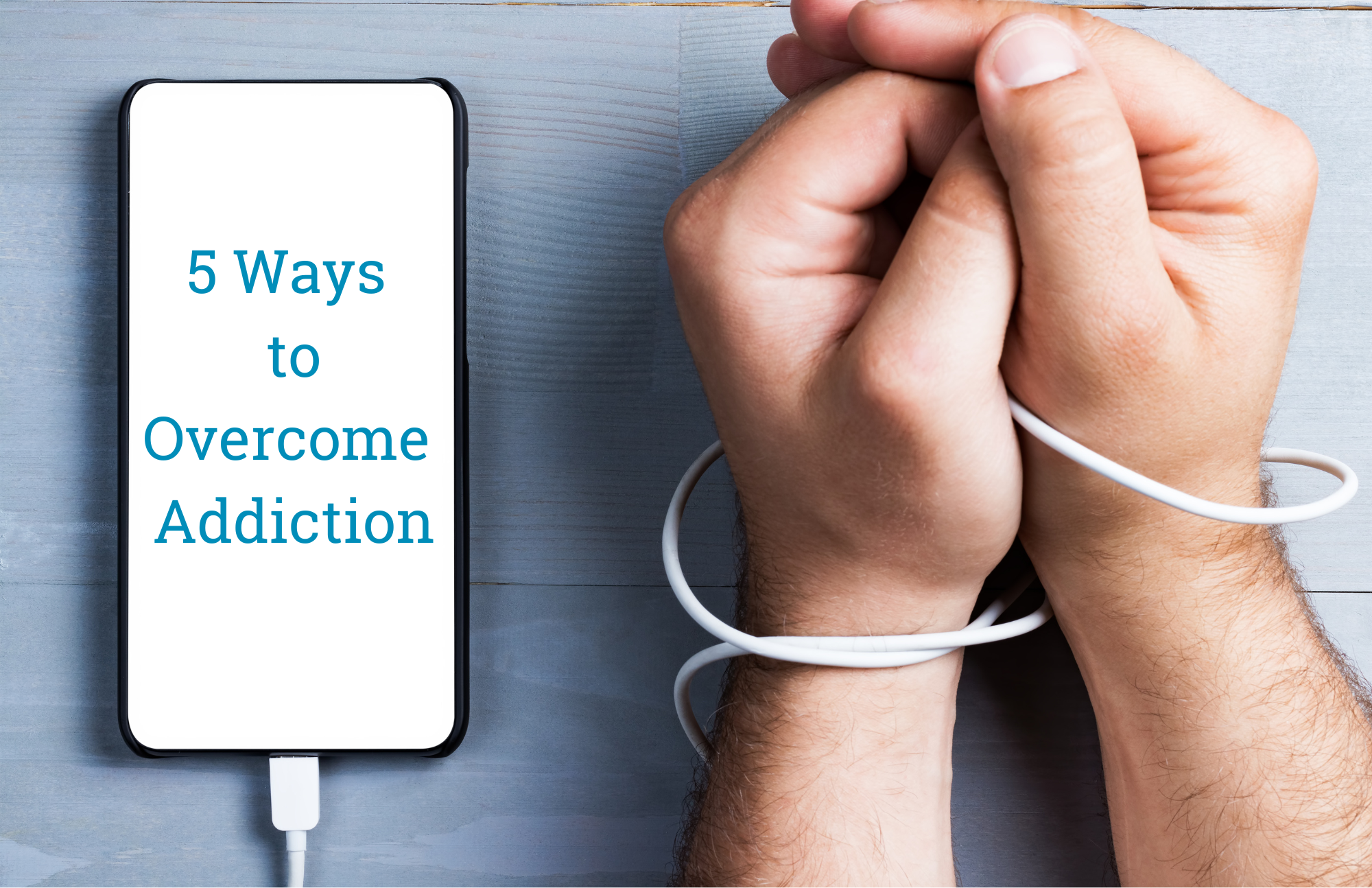
5 Steps to Break Free from Behavioral Addiction
Addiction is no longer limited to substances like drugs or alcohol. The concept of addiction has expanded to include behaviors that activate the pleasure center of the brain, such as gaming, social media use, gambling, and even shopping. These behaviors, known as behavioral addictions or process addictions, can be just as compelling and disruptive as substance addiction.
Read on as Dr. Dan Guy explores what drives behavioral addictions and how to use that information to shape five steps for overcoming behavioral addictions.
What Drives Behavioral Addictions?
What drives these behavioral addictions? The answer lies in the intricate workings of our brains. When we engage in activities that trigger the pleasure center, such as winning a game or receiving likes on a social media post, our brains release feel-good chemicals like dopamine and endorphins.
Over time, our brains learn to crave these experiences, leading to a cycle of reinforcement where the behavior is repeated to achieve the same pleasurable outcome.
Watch this video to learn more about the reward system in your brain.
Addiction Isn’t Limited to Substance Abuse
Chemical drugs are notorious for stimulating the pleasure center of the brain, but various behaviors can also activate the same area.

Dr. Dan Guy explains:
“Indulgences like consuming sweet foods, watching humorous shows, achieving success in challenging tasks, experiencing intimacy, or making enjoyable purchases can trigger the release of feel-good chemicals such as endorphins, dopamine, and oxytocin, leading to a sense of reward.”
However, both chemicals and certain behaviors carry the potential for addiction. Some have even elevated addiction from a mere behavior to a complex medical condition or chronic brain disorder. The challenge with addictions, whether to chemicals or behaviors, lies in the need for escalating doses to achieve the same level of pleasure over time, leading individuals to seek out more stimuli to feel good.
Intermittent rewards and social reinforcement, such as receiving validation on social media, further reinforce addictive behaviors. Intermittent reinforcement, such as the unpredictable nature of social media likes or notifications, can further strengthen addictive behaviors. Our brains become conditioned to seek out these rewards, leading to compulsive behavior patterns.
Moreover, the removal of stimuli can lead to negative reinforcement, perpetuating a cycle where individuals feel compelled to seek out more to maintain their well-being. This pursuit can have detrimental effects on various aspects of life, including work performance and relationships.
Positive Versus Negative Reinforcement
Positive reinforcement involves receiving a reward for a behavior, while negative reinforcement involves the removal of something unpleasant. For example, playing a video game may temporarily alleviate anxiety, serving as negative reinforcement. Similarly, receiving likes or comments on a social media post can act as positive reinforcement, encouraging us to continue posting.
How to Reclaim Control of Your Life
If addictions were easy to stop, by definition, it wouldn’t be an addiction.
While it’s not easy… it’s also not impossible.
Step One: Awareness
Recognizing and addressing behavioral addictions is crucial for reclaiming control of our lives. Awareness is the first step. By acknowledging the signs of addiction and its impact on our lives, we can begin to take proactive steps towards recovery. Preferably, it’s ideal to reach this awareness before reaching rock bottom.
Step 2: Organize Support from Family, Friends, and Professionals
Seeking support from friends, family, and professionals is essential. Having external accountability and guidance can help us establish healthier habits and coping mechanisms.
Step 3: Establish Limits
Setting limits, whether through parental controls on devices or budgeting for shopping, can also prevent excessive indulgence in addictive behaviors.
Step 4: Explore the Underlying Cause of Addiction
Furthermore, it’s essential to explore the underlying causes of addiction. Often, addictive behaviors serve as coping mechanisms for underlying issues such as anxiety or low self-esteem.
Dr. Dan Guy adds, “So, dig in and find what is underlying the addiction (example: to escape anxiety) and deal the underlying cause head on. Often, this is where professional help comes in. If you decrease the anxiety, for example, you decrease the need for addiction.”
By addressing these root causes, we can decrease the reliance on addictive behaviors.
Step 5: Learn Healthier Habits and Rewire Your Brain for Lasting Change
Finally, learning to cultivate new, healthier habits is key to long-term recovery. Rewiring the brain to find pleasure in other activities and enjoying life beyond the pursuit of the next fix is essential for lasting change.
Get the Help You Need
In conclusion, behavioral addictions are a complex issue that requires a multifaceted approach to address effectively. By understanding the mechanisms behind these addictions and taking proactive steps towards recovery, we can regain control of our lives and cultivate a healthier, more fulfilling existence.
As a multidisciplinary practice, the Next Step team can address all facets of addiction from underlying anxiety and depression to impulsive behavior. To schedule an appointment, click here.
About Dr. Dan Guy

Dr. Dan Guy is a Licensed Clinical Psychologist who has provided quality mental health services for over 29 years. As a gifted and highly observant listener, Dr. Guy serves adults, older teens, couples, and families with compassion and care.
Dr. Guy graduated Magna Cum Laude with a Bachelor of Arts in Psychology and Bible Studies from Kentucky Christian University. He then earned a Master of Arts in Clinical Psychology at Morehead State University. He continued to work his way across the state of Kentucky, completing his formal education by obtaining his Doctorate of Psychology at Spalding University in Louisville, Kentucky.
Dr. Guy has had the privilege of working in a variety of settings throughout his career. While working in Kentucky Community Mental Health Centers, he provided psychological testing and worked with both children and adults struggling with issues ranging from behavioral disorders to emotional and thought disorders. Dr. Guy also served as the Clinical Manager at a Louisville hospital, managing the counseling services for an inpatient psychiatric unit, a partial hospitalization unit, a mental health intensive outpatient program (IOP), a chemical dependency IOP, and an outpatient office. He has also served as the Clinical Director for a residential youth services organization providing mental health services for Kentucky youth who are in state care.
Dr. Guy specializes in the treatment of ADHD, depression, anxiety, mood swings, relational problems, and issues pertaining to self-doubt and self-value. He is skilled in the use of cognitive behavioral therapy (CBT), solution focused therapy, and reality therapy. He also provides psychotherapy for individuals with bipolar disorder and some addictive behaviors. Dr. Guy has helped hundreds of individuals, couples, and families establish loving relationships, healthy communication, and effectively address mental health issues. As a trusted professional, Dr. Guy will walk beside you as you face challenges in your life and will guide you toward healing and fulfillment.
You can now book an appointment with Dr. Guy here. or give us a call at our Louisville, Kentucky mental health clinic at 502-339-2442 .
Learn More
3 Empathetic Ways to Support a New Mom with Postpartum Depression
Welcoming a new baby into the world is often depicted as a time of joy and celebration. However, for many new mothers, the reality can be quite different. Postpartum depression (PPD) — also known as perinatal depression — affects approximately 1 in 7 women after giving birth, and its symptoms can range from mild to severe.
As friends, family members, or loved ones, it’s crucial to provide support and understanding to those experiencing PPD.
Here are three empathetic ways to support a new mom struggling with postpartum depression:

What Is Postpartum Depression?
What Is Postpartum Depression?
Postpartum depression is much more than the baby blues.
Postpartum depression (PPD) is a more severe, long-lasting form of depression. Unlike the baby blues, PPD doesn’t fade away on its own and can appear days or even months after delivering a baby. Symptoms may include intense sadness, anxiety, or despair and can be so powerful that it’s challenging for the mother to care for her baby or herself.
How to Support a New Mom with Postpartum Depression
- Lend a Listening Ear: Sometimes, the opportunity to talk about her feelings can make a world of difference for a new mom.
- Help with the Baby:Offer to babysit for a few hours so the mother can get some much-needed rest or sleep. Sleep deprivation can exacerbate feelings of depression.
- Encourage Professional Help: Encouraging a loved one to seek medical attention and therapy can give her the tools to cope and recover.
Do You Need Help?
Our multidisciplinary team can help you navigate postpartum depression as well as postpartum anxiety. To make an appointment in our Louisville, Kentucky, office, click here to get started.
Learn More