
logologologo


502-339-2442


CONTACT US

  • Home
  • About
    • About Us
    • Our Approach
  • Our Team
    • Expert Care Team
    • Testimonials
  • Services
  • Telehealth
  • Next Step Blog
  • Refill Request
  • Request Appt
    • Current Patients
    • New Patient (Adult)
    • New Patient (Under 18)
  • Contact Us
logologologo


502-339-2442


CONTACT US

  • Home
  • About
    • About Us
    • Our Approach
  • Our Team
    • Expert Care Team
    • Testimonials
  • Services
  • Telehealth
  • Next Step Blog
  • Refill Request
  • Request Appt
    • Current Patients
    • New Patient (Adult)
    • New Patient (Under 18)
  • Contact Us
  • Home
  • About
    • About Us
    • Our Approach
  • Our Team
    • Expert Care Team
    • Testimonials
  • Services
  • Telehealth
  • Next Step Blog
  • Refill Request
  • Request Appt
    • Current Patients
    • New Patient (Adult)
    • New Patient (Under 18)
  • Contact Us
featured_image

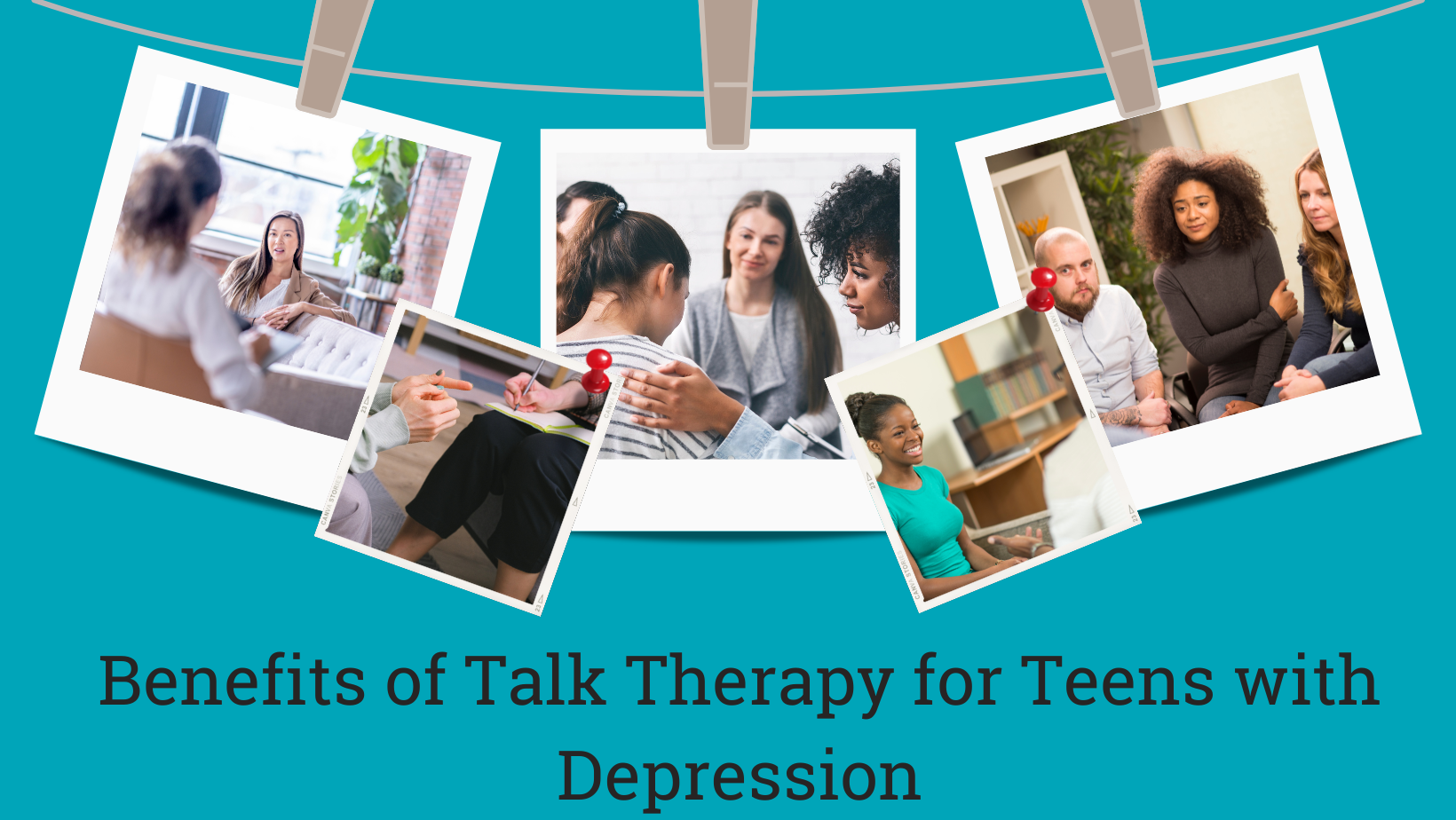
Depression and Anxiety in Teens: The Benefits of Talk Therapy

by nextstep4adhdApril 30, 2023 Depression, Depression in Children0 comments

Depression and anxiety are common mental health issues that affect millions of people worldwide. For teenagers, these conditions can be particularly challenging, as they are still developing physically, emotionally, and socially. Talk therapy is a useful treatment option for teens dealing with depression and anxiety.

In this blog, we will discuss the benefits of talk therapy in helping teenagers manage their mental health.

Understanding Depression and Anxiety in Teens

Depression and anxiety are complex disorders that can manifest in different ways for different people. Teenagers with depression may experience feelings of sadness, hopelessness, and worthlessness. They may lose interest in activities they once enjoyed, have trouble sleeping or sleeping too much, and struggle with concentration and decision-making. Anxiety, on the other hand, can cause intense fear or worry about everyday situations, leading to physical symptoms such as trembling, sweating, and rapid heartbeat.

While these disorders can have various causes, including genetics, traumatic experiences, and environmental factors, talk therapy can be an effective way to address them.

How Talk Therapy Can Help

Talk therapy, also known as psychotherapy, is a form of treatment that involves talking to a licensed mental health professional. It can take many forms, including individual therapy, group therapy, and family therapy. In all cases, the goal is to help the patient better understand their thoughts, feelings, and behaviors and develop strategies to manage them.

In the case of depression and anxiety in teens, talk therapy can be particularly helpful in the following ways:

It provides a safe and supportive space to talk about feelings and concerns.

Teens may feel isolated or misunderstood, making it difficult to discuss their problems with friends or family members. Talk therapy offers a safe and confidential environment where they can express their thoughts and emotions without fear of judgment.

It can help identify triggers and develop coping skills.

Through talk therapy, teens can gain a better understanding of what triggers their depression or anxiety and learn techniques to manage these triggers. This may include relaxation techniques, cognitive-behavioral therapy, or mindfulness practices.

Kayla Sheeran shares, “The strategies that teens can learn in therapy when addressing anxiety and depression will give them tools in their tool belt to face life’s challenges both now and later in their lives.”

It can improve communication and relationships.

Talk therapy can help teens develop stronger communication skills, which can improve their relationships with family and friends. It can also teach them how to set boundaries and assert themselves in a healthy way.

It can prevent future mental health issues.

By learning coping skills and developing a better understanding of their mental health, teens can reduce the risk of developing future mental health issues. This can lead to improved overall well-being and a better quality of life

Therapy Teaches Life-Long Skills

Kayla continues:
“Regulating emotions, managing one’s internal dialogue, and forming healthy communication patterns are only a few of the many skills teens can develop in therapy that will be useful in every area of their lives–whether that be in academics, careers, relationships, or personal goals.”

Holistic Care for Depression in Louisville, Kentucky

Depression and anxiety are challenging conditions that can affect anyone, including teenagers. Talk therapy is a useful treatment option that can help teens better understand and manage their mental health. By providing a safe and supportive space to talk about their feelings and concerns, identifying triggers, and developing coping skills, talk therapy can improve communication, relationships, and overall well-being.

If you or a loved one is struggling with depression or anxiety, consider talking to a mental health professional about the benefits of talk therapy. Click here to schedule an appointment with our caring and compassionate team of providers.

Learn More
featured_image

Hypomania and Hyperfixation: What’s the Difference?

by nextstep4adhdMarch 26, 2023 ADHD, Anxiety, Bipolar Disorder in Adults, OCD0 comments

Mental health conditions can manifest in various ways, and two related concepts that often come up in discussions about mental health are hyperfixation and hypomania. Hyperfixation is an intense preoccupation with a particular object, activity, or topic, while hypomania is a state of elevated mood and energy that is less severe than full-blown mania.

While both hyperfixation and hypomania can have a significant impact on a person’s life, they are distinct phenomena that are associated with different underlying conditions.

In this blog post, we will explore the similarities and differences between hyperfixation and hypomania, as well as their respective causes, symptoms, and treatments. Whether you or someone you know is struggling with hyperfixation or hypomania, understanding these concepts is an important step in seeking the right help and support for optimal mental health.

Are Hyperfixation and Hypomania the Same Thing?

No, they are not.

Hypomania is a specific syndrome that occurs in patients with bipolar disorder and is characterized by a period of at least four consecutive days during which a person experiences persistently elevated, expansive, or irritable mood and abnormally and persistently increased activity or energy.

Hyperfixation is a phenomenon that can occur in various mental health conditions.  For instance, people with OCD can become hyperfixated on a specific obsession, individuals with generalized anxiety disorder may become hyperfixated on worries about the future, and those with PTSD or complex trauma can become hyperfixated on intrusive memories from the past.

Additionally, people with ADHD may become hyperfixated on projects they are highly interested in, while individuals with severe mental illnesses such as psychosis may become hyperfixated on a specific delusion.

In other words, it is clear that hyperfixation and hypomania are not the same thing.

Similarities between Hyperfixation and Hypomania

Hyperfixation and hypomania share some similarities in that they both involve a heightened state of focus and energy. In both cases, a person may feel driven to pursue a particular interest or activity, often to the point of neglecting other responsibilities or obligations.

Differences between Hyperfixation and Hypomania

However, there are also important differences between the two. Hyperfixation is not necessarily accompanied by changes in mood or energy level, whereas hypomania is a distinct state of elevated mood and activity. Hypomania is also a symptom of bipolar disorder, whereas hyperfixation may be seen in a range of conditions, including ADHD or Obsessive-Compulsive Disorder (OCD).

It is important to note that while hyperfixation may be a symptom of certain conditions, it is not itself a medical diagnosis. Hypomania, on the other hand, is a clinical syndrome that requires immediate evaluation and treatment by a mental health professional.

Hyperfixation refers to a strong and intense fixation on a particular object, activity, or topic, to the point where it becomes difficult to focus on anything else. Hypomania, on the other hand, is a symptom of bipolar disorder and refers to a state of elevated mood, energy, and activity that is less severe than full-blown mania. People experiencing hypomania may feel overly confident, euphoric, and impulsive, and may engage in reckless behavior, such as overspending, gambling, or sexual promiscuity.

How Are They Treated?

If you notice signs of hypomania or hyperfixation in yourself or someone you know, it is important to seek professional help. Here at NextStep2MentalHealth, our multidisciplinary team can assess the situation, provide an accurate diagnosis, and recommend an appropriate course of treatment.

For hypomania, treatment may include medication, therapy, or a combination of both. The specific treatment plan will depend on the severity of the symptoms, the underlying cause, and other individual factors. It is important to note that hypomania can escalate into full-blown mania if left untreated, which can have serious consequences on a person’s life and well-being.

For hyperfixation, treatment will depend on the underlying condition. For example, if hyperfixation is a symptom of ADHD, treatment may involve lifestyle modifications, therapy, medication, or a combination of both to help manage symptoms and improve daily functioning. If hyperfixation is a symptom of OCD, treatment may involve exposure and response prevention therapy, medication, or a combination of both.

It is crucial to seek help as soon as possible if you or someone you know is experiencing symptoms of hypomania or hyperfixation. Early intervention can lead to more effective treatment outcomes and a better quality of life.

We’re Here for You

If you are struggling with any sort of mental health issues — whether that’s signs of hyperfixation or signs of hypomania, seeking help from a mental health professional can make a significant difference in your life. Here at NextStep2MentalHealth, we understand that seeking help can be challenging, but we are here to support you every step of the way.

Our experienced mental health professionals provide a safe and supportive environment for you to explore your thoughts and feelings, develop coping strategies, and work towards your mental health goals. Don’t hesitate to reach out to us for help – we are here for you. Schedule your appointment here.

Learn More
featured_image

How Spring and Daylight Savings Affects Hypomania

by nextstep4adhdFebruary 16, 2023 Bipolar Disorder in Adults0 comments

Bipolar disorder affects 4.4% of all adults at some point throughout their life, and about 2.8% of adults have been diagnosed with bipolar disorder in the last year, according to the National Institutes of Mental Health. Out of the adults diagnosed with bipolar disorder, nearly 83% experience extreme disruptions to their daily routines. Bipolar disorder is a mental health illness characterized by extreme shifts in mood that vacillate between manic episodes and depressive episodes, although each episode impacts your quality of life differently. 

Interestingly, manic and hypomanic episodes tend to increase in the spring in the Northern hemisphere. In this article, we’ll help shed light on what manic episodes, why they tend to increase in the spring, and what you can do to stay proactive and reduce their impact on your quality of life. 

What Is a Manic Episode?

According to the American Psychiatric Association’s Diagnostic and Statistical Manual of Mental Disorders (DSM-5), a person must have experienced at least one episode of mania or hypomania in order to be diagnosed with one of the bipolar disorders (in addition to the depressive episodes too.) A manic episode is more than just a mood swing. It is an emotional state in which a person may feel elevated or excessively irritable. Manic episodes can last anywhere from four days to a few months.

At first, you might not think that an elevated mood is a bad thing, and because of this, many people might not seek help at first. However, it’s important to note that mania isn’t just “feeling good”; rather, these symptoms are a departure from what’s normal for your i.e., your normal actions or behaviors. 

Mania can be so intense that it can impact your performance at work and interfere with your relationships with friends and family.

How Spring Affects Hypomania and Mania

According to a study published in Psychiatry Investigation, the changes in light (and its impact on circadian rhythms) may be the culprit of increased hypomania episodes in the spring. According to researchers:

“A possible mechanism underpinning these relationships is a misalignment between the endogenous and environmental circadian rhythms due to acute circadian rhythm shifting caused by the increased light exposure in the spring.”

In other words, if you’re sensitive to seasonal changes and/or light changes, you may see changes in your bipolar symptoms. Some people with bipolar disorder are more sensitive to light than others: “The extra daylight, the lifting of winter’s gloom and the experience of again being outside in the bright, fresh, springtime air, all serve to activate bipolar neurochemistry.” (Source)

Why Treatment Matters for Manic Episodes

Brian-Briscoe“One of the most dangerous aspects is that multiple untreated manic or hypomanic episodes can be very harmful to the brain. They can sometimes even lead to cognitive impairment and/or decreasing IQ over time. (This can happen because leaving mania untreated is a lot like running a car eighty miles an hour all day, every day. Eventually the motor—the brain—will break down.),” says Dr. Brian Briscoe.

The right treatment can also:

  • Improve the quality of your life
  • Can help you engage in relationships
  • Can better equip you to succeed in the workplace
  • Help stabilize mood changes and reduce symptoms
  • Help prevent future manic or depressive episodes from occurring and reduce their overall intensity

Treatment for Manic Episodes

The primary treatments for bipolar disorder include medications (including mood stabilizers) and psychotherapy to control symptoms.

In addition to psychiatric care, there are many lifestyle changes that can support your mental well-being. This includes maintaining a regular exercise schedule, following a balanced, nutrient-dense diet, and attending your therapy sessions. For people who are more sensitive to changes in light, it’s even more important to practice good sleep hygiene practices. 

Good sleep hygiene practices include:

  • Going to bed at the same time every night
  • Sleeping in a cool, dark room
  • Avoiding TV or phone screens for 1-2 hours before bed
  • Using the “night mode” on electronics in the evening
  • Spending time outside in the morning (helps to set your circadian rhythm)
  • Exercising (but not too close to bed)

In addition, it’s essential to adhere to your recommended medication schedules. If you need help remembering to take medication, try setting a reminder on your phone.

The Right Treatment Can Help

If you, or someone whom you love, are struggling with bipolar disorder, we can help. To make an appointment, call our office at 502-339-2442 or get in touch with us at to book an appointment with one of our compassionate and non-judgmental providers.

And please, if you’re not comfortable getting help from us, get help from another qualified doctor or therapist.

Because you can count on this: Life and the future, even with bipolar disorder, can and will be much brighter with treatment.

Learn More
featured_image

6 Mental Health Wellness Tips

by nextstep4adhdJanuary 24, 2023 Mental Health0 comments

Are you looking for practical ways to achieve better mental health and balance in your life? These mental health wellness tips, which include practicing gratitude, connecting with others, and maintaining physical health can support your mental wellness.

Here at Next Step 2 Mental Health, we focus on a holistic and multidisciplinary approach when it comes to your mental health care. We don’t want you to “just get by”; we want you to thrive.

Mental Health Wellness Tips

Watch the video below for six simple tips for supporting your mental health.

1. Focus on the Positives

Look for solutions that may help you overcome any challenges.

2. Practice Gratitude

Keeping a gratitude journal is a great way to combat anxious thoughts. In fact, writing in a gratitude journal is shown to improve emotional resilience and reduce stress. There are many ways to keep a gratitude journal, but here are some tips:

  • Journal first thing in the morning to start the day on a positive note.
  • End the day with a quick reflection about things you were grateful for over the course of the day.
  • If your child can’t write yet, she or he can draw pictures instead — yep, practicing gratitude is a great way for your child to promote his/her own mental wellness!

3. Connect with Others

This includes your friends, family members, and people in your support groups.

4. Maintain Physical Health

You can take care of your body by taking any prescribed medication as directed, eating right, and exercising regularly.

Eating right

You probably know that what you eat can energize you (or cause a blood sugar crash later on), but did you know that what you eat impacts your brain too? Foods rich in omega-3 fatty acids support brain health. This includes salmon, sardines, avocados, turmeric, walnuts, and chia seeds. For more brain-healthy foods, read “11 Best Foods for Your Brain.”

Exercise

Exercise is good for your body and mind — and it doesn’t have to be a rigorous routine either.

Good-for-the-brain exercises include:

  • Hiking
  • Playing sports like soccer or basketball (even if it’s in your backyard)
  • Rollerblading
  • Biking
  • Dancing
  • Jump rope

Walking around the block or playing tag in the yard are good options too!

Self-Care

Did you know that self-care is more than just a mani-pedi? (Although those are nice too!) Taking care of yourself includes:

  • Scheduling doctors’ appointments, including regular physical and dental cleanings
  • Taking any medication as prescribed
  • Taking time each day to focus on things you love (like reading or coloring)
  • Getting to bed on time each night

All of these things — eating right, exercising, and practicing self-care — all support your body and your mind.

5. Develop Strong Coping Skills

You can think of your coping skills as tools in your toolbox. If you’re stressed or overwhelmed, you can use these tools to manage stress levels. Coping skills for stress can include:

  • Deep breathing exercising
  • Exercising (or even walking around the block to “cool down”)
  • Brain-storming solutions to the problem (rather than just dwelling on it)
  • Knowing where to look when you need help (a friend, a therapist, etc.)

6. Seek Professional Help When You Need It

Sometimes, despite your best efforts at following these mental health tips, you require a little extra help — and that’s okay! Whether that’s therapy or medication, professional mental healthcare can help you get back on your feet.

Seek Help When You Need It

At Next Step, we know how profoundly any mental health condition can impact all aspects of your life, and if you’re struggling now, you don’t have to wait until it gets worse before reaching out for help. Our compassionate, non-judgmental team offers a variety of treatments, including medication and therapy.

To reclaim control over your life, call our Louisville, Kentucky office at 502-339-2442. You can also request an appointment online.


Learn More
featured_image

10 New Year’s Resolutions for 2023 that Support Mental Wellness

by nextstep4adhdJanuary 5, 2023 Mental Health0 comments

Still need to make a few resolutions for 2023? It’s not too late!

In fact, there are many good New Year’s resolutions that can help support your mental wellness.

Let’s take a look at some examples.

10 New Year’s Resolutions to Support Your Mental Wellbeing

  1. Take any medication as directed
  2. Exercise regularly
  3. Get 7-9 hours of sleep each night (read: How Warm-Colored Lights Affect Your Sleep)
  4. Surround yourself with a supportive team
  5. Journal regularly (read: How Journaling Supports Mental Wellbeing)
  6. Eat nutrient-dense foods, especially fresh produce, lean protein, whole grains, and foods rich in omega-3 fatty acids
  7. Reach out for help if you need it
  8. Meditate or pray
  9. Listen to calming music (read: How Much Affects Mood)
  10. Set aside time to connect with friends or family

You don’t have to make any grandiose resolutions, especially if that will only add to your stress levels. Resolutions should be realistic goals that support your wellness — not detract from it. For example, if you find that “Journaling Daily” is too stressful, adapt your goal. Try journaling every other day or even simply once a week. Small steps can be a great way to create new habits!

How Can We Support Your Mental Well-Being?

If you need help managing a mental health condition, don’t hesitate to reach out to our multidisciplinary team. Click here to request your next appointment.

Learn More
featured_image

Warning Signs of Depression in Children and Teens During the Holidays

by nextstep4adhdDecember 15, 2022 Depression, Depression in Children0 comments

The holidays can be a time of great joy, but for some, the holidays can be nothing short of stressful. In this article, we take a look at the warning signs of depression in teens during the holidays and what you can do to help your teen.

Let’s get started.

Understanding Why Holidays May Be Stressful

“The holidays can be a stressful time for adults, but it is often overlooked at how stressful holidays can be for children and teens,” according to Dr. Lisa Sanchez. 

“The impression is that kids are happiest this time of year, but in reality, they are also navigating things like social stress, split homes, family losses, financial stress, school and this perfect image that’s portrayed in the media of how things should be.  It is important to recognize these stressors and manage them.”

Is Stress… Or Depression?

How do you know if your child is stressed, depressed… or both? Let’s take a look at the symptoms of both.

Stress during the holidays

Stress can manifest itself in many ways. Increased stress can take a toll on your mental and physical wellbeing. Stress can lead to:

  • Increased headaches
  • Upset stomachs
  • Agitation
  • Nightmares and other sleep disturbances
  • Anger
  • Outbursts
  • Inability to relax
  • Increased worries and fears

If your child is stressed, you can help manage stress by modeling stress management techniques and establishing routines. Keeping your child informed of scheduling plans can help your child mentally prepare for the busy-ness of the season.

You can learn more about childhood stress in this article published on MedlinePlus by the National Library of Medicine.

Depression during the holidays

Chronic, unmanaged stress levels can increase your risk of developing a mood disorder, and that includes depression. This connection is called bi-directional, meaning stress can make depression worse, and depression can make stress worse.

Signs of depression in children and teens include:

  • Feelings of intense sadness and emptiness
  • Loss of interest in your normal family holiday traditions
  • Feeling hopeless or guilty
  • Being angry, irritable, or frustrated, even at minor things
  • Loss of interest in hobbies and other favorite activities
  • Loss of interest in talking to or spending time with friends and family
  • Changes in weight, either gaining or losing weight
  • Changes in sleep, either sleeping too much or too little
  • Feeling restless
  • Fatigue
  • Physical pain, such as headaches or back pain
  • Having trouble concentrating
  • Thinking about dying or suicide

If you or a loved one are in crisis, call the Suicide & Crisis Hotline at 988. Help is available 24/7 in English and Spanish. You can also head to the closest emergency room.

About Dr. Lisa Sanchez

Whether your teen is stressed or is showing signs of depression, we can help your teen feel better. Lisa Marie Sanchez, M.D., M.S.S.W, is a child and adolescent psychiatrist with NextStep.

Depression treatment often involves a combination of therapy and medication. Depression can increase stress, but remember, depression is treatable, and working to address both the stress and the depression at the same time can help your child feel better.

Here at Next Step 2 Mental Health, our multidisciplinary team offers everything your teen needs under one roof, from medication management to therapy.

To learn more about depression or to schedule an appointment, click here.


Learn More
featured_image

What Is ACT Therapy?

by nextstep4adhdNovember 30, 2022 ACT Therapy0 comments

Therapy is an umbrella term that refers to many different types of therapy. As a multidisciplinary practice, our team is experienced in many different types of therapy. In this article, we focus on ACT therapy, or Acceptance and Commitment Therapy.

Here’s what you need to know.

Overview of ACT Therapy

Watch the video learn more about Acceptance and Commitment Therapy:

Dr. Ethan Short and ACT Therapy

Dr. Ethan Short has extensive experience working with adults with severe mental illness including schizophrenia and bipolar disorders, addictions (opiates, methamphetamine, benzodiazepines, alcohol, tobacco, etc.), PTSD, depression and anxiety disorders, and adult ADHD.

He is trained in multiple psychotherapies, but primarily practices Acceptance and Commitment Therapy as an alternative to medication, or as an adjunctive treatment for the above conditions.


Dr. Short shares his approach to care:

“Our mental health care system has significant problems.  Oversimplification of complex mental health diagnoses and overmedication of patients are disturbing trends.  While psychiatric medications do improve symptoms, they rarely address the underlying causes of the problem.

This concept is similar to taking Tylenol for a fever; Tylenol will reduce, but not cure the fever.

Individualized, collaborative, and sometimes innovative regimens, along with taking the time to get to know patients, are paramount to treatment.  I offer a holistic and evidence-based approach using a combination of medication, reliable supplements, diet, exercise, and Acceptance and Commitment Therapy.  ACT is best summarized as psychological flexibility; it emphasizes 6 processes that help people to accept themselves, understand and positively impact their struggle against the inner voice, and live with purpose.”

The Six Processes of ACT Therapy

ACT therapy emphasizes six processes that help people. These processes promote psychological flexibility and include:

1. Acceptance: acknowledging and embracing (rather than avoiding) the full range of your emotions and thoughts

2. Cognitive Defusion: the process of changing the way you react to distressing thoughts and feelings

3. Being Present: the process of mindfulness in which you are present in the moment and can acknowledge your feelings without judgement

4. Self as Context: the idea that you (and all people) are more than just your thoughts, feelings, and/or experiences.

5. Values: the process of choosing your own personal values (and living according to them) rather than adhere strictly to other people’s values and/or expectations

6. Committed Action: the process of taking tangible and concrete steps to incorporate changes based on your own personal values that can lead to positive change in your life through goal setting, exposure, and skill development. 

When Can ACT Therapy Be Used?

ACT can help treat many mental and physical conditions. These include:

  • Substance use disorders
  • Anxiety disorders, including obsessive-compulsive disorder)
  • Depression
  • Eating disorders
  • Workplace stress and chronic stress

Is ACT Therapy Right for You?

If you need help managing mental health conditions, know that help is just a call or click away. Our multidisciplinary team can shape a treatment plan that includes lifestyle modifications, medication, and therapy. To schedule an appointment and learn more about your potential treatment options, give us a call at our Louisville, Kentucky mental health clinic at 502-339-2442 or click here.


Learn More
featured_image

Preparing for Telehealth: What Parents Need to Know

by nextstep4adhdOctober 3, 2022 Anxiety, Child Psychology, Depression, Mental Health Struggles in Children and Adolescents0 comments

As parents, you’ve no doubt taken your child to dentist appointments, eye doctor appointments, and annual physical exams. These routine visits are similar: arrive at the office, fill out paperwork, wait in the lobby until your name is called. But what about preparing for telehealth?

But what happens when your appointments are virtual? What do parents need to know?

Here at NextStep2MentalHealth, our multidisciplinary team is proud to offer a variety of mental health services through telehealth – and not just for adults. Children and teens can benefit from virtual care.

Below, we share five tips that parents can use to get their children ready for a virtual session.

5 Tips to Remember When Preparing for Telehealth

If your teen already uses video calling apps like FaceTime, Zoom, Google Hangouts, or Skype, then he or she already has a good idea of what a telehealth session is like. For younger children — especially those who don’t use much technology — a virtual appointment can be intimidating. Setting aside the technology, some children may feel a little nervous before an appointment, especially if they’re meeting a new provider for the first time. They may wonder what happens in therapy or what happens during an evaluation.

If your child is scheduled for an upcoming virtual appointment, it’s a good idea to prepare your child ahead of time — especially if it’s their first time experiencing therapy or an evaluation.

1. Know what type of session your child is having

At Next Step 2 Mental Health, your child can receive a variety of services remotely. This includes therapy, coaching, new patient appointments, and more.

When you know what type of service your child is receiving, it’s easier to answer their questions.

Reminder: Virtual sessions are only for non-life-threatening visits. If your child is experiencing a mental health emergency, call 9-1-1 or head to the nearest emergency room. You may also use the new 24/7 crisis hotline by calling 988 for those in crisis.

2. Gather important information before the session starts

Before your appointment begins, make sure you have:

  • A list of your children’s current medications
  • Your child’s medical history, including allergies, weight, and any previous diagnoses
  • A list of questions that your child has (if any)
  • A list of questions that you have (if any)

Depending on what type of session your child is having, you might want to write down a list of concerning symptoms that you want to address. Be prepared to answer a variety of questions, including how the symptoms have been occurring, when the symptoms are most severe, and any other related details.

3. Find the perfect location

girl with dog during telehealth

This is one of the most important steps to having a successful telehealth session. The ideal location is quiet, well-lit, and free from distractions. Consider setting up on the dining room table or in a den. The camera should be at eye-level for your child.

If you have pets or other children, make sure they are situated elsewhere so you can focus on the session too.

It’s also important that no other children or family members can listen in during your child’s session. It’s important your child has privacy during their call.

4. Start with an introduction

You might have a telehealth session with a therapist or pediatrician that you’ve seen dozens of times. But if your child is seeing a new provider, you’ll start with introductions. Let your child know ahead of time if he’ll be meeting a new doctor so he can prepare mentally for the meeting. During the meeting, one of our providers will start by sharing his or her name and title. At this time, encourage your child to introduce himself too! After your child introduces himself, you’ll be asked to confirm a few details too. You’ll already have completed a treatment consent form, but you’ll still confirm your child’s name, date of birth, etc.

Tip: If your child is nervous (which is normal!), practice introductions beforehand!

5. Know your next steps

Before your child’s virtual appointment comes to an end, make sure that you understand the provider’s diagnosis, instructions, and/or advice.

Tip: Keep a piece of paper or notepad nearby so you can take notes during the session, if needed. Don’t hesitate to ask for clarification! We want to make sure your session is valuable and helpful.

Questions? We’re Just a Call or Click Away

At NextStep2MentalHealth, we’re happy to provide comprehensive psychiatric care and therapy for your children. Whether your child has anxiety, depression, or ADHD, we don’t want him or her to miss out on valuable sessions, and we are here to make sure your telehealth experience is successful.

Questions about preparing for telehealth? We’re just a call or click away. Give our Louisville, Kentucky mental health clinic a call at 502-907-5908 or request an appointment here. 

Learn More
featured_image

Effective Treatments for Bipolar Disorder

by nextstep4adhdSeptember 28, 2022 Bipolar Disorder in Adults0 comments

Bipolar disorder is a complex condition, and the right treatment plan must address all of the complexities of the disorder. The good news is that there are many effective treatments that can help you manage your symptoms so that you can hold a career and enjoy meaningful relationships. 

If you or a loved one are suffering from bipolar disorder, we recommend that you seek help as soon as possible. In the meantime, here is an overview of the most common treatments for bipolar disorder.

What Is Bipolar Disorder?

Bipolar disorder is characterized by severe mood swings. The shifts between manic episodes and depressive episodes can be debilitating which may make it difficult — if not impossible — to maintain a satisfying job and relationships. There are three types of bipolar disorder:

  • Bipolar I
  • Bipolar II
  • Cyclothymia

Watch the video below to learn more about bipolar disorder.

Treating Bipolar Disorder

There isn’t a cure for bipolar disorder, but treatment can help manage symptoms so that you can enjoy an improved quality of life. Medication and therapy are effective treatments for bipolar disorder.

Medication

There isn’t just one type of medication used to treat bipolar disorder. There are many different options, and some individuals may do best with a combination of medications. This is especially true if you’re also dealing with other mental health conditions, such as anxiety. Not all medications and dosages work the same for each individual so the key to a successful treatment plan is finding both the right medication and the right dosage. 

Examples of medications used to treat bipolar include:

  • Mood stabilizers 
  • Antipsychotics
  • Antidepressants
  • Antidepressant-antipsychotic

Depending on your unique needs, you may also benefit from anti-anxiety medication as well.

Why a Combination of Medications Can Help Ease Symptoms of Bipolar Disorder

According to the experts at Mayo Clinic, antidepressants alone may not be ideal. While antidepressants help to manage the symptoms of bipolar depression, they can sometimes trigger a manic episode. To help prevent that, a mood stabilizer might also be prescribed. This is just one example that highlights the complexities of bipolar disorder. However, sticking with your medication schedule — even if you start to feel better — is essential when it comes to managing your symptoms.

Psychotherapy

In addition to medication, psychotherapy is another treatment option. Psychotherapy is sometimes called “talk therapy”, and there are many different types of therapy under this umbrella. Psychotherapy includes therapies such as cognitive behavioral therapy (CBT) and is designed to help a person manage troubling symptoms and improve daily functioning, according to the American Psychiatric Association.

Other Ways to Help Manage Symptoms

In addition to medication and therapy, there are still a few other ways to help manage the symptoms of bipolar disorder.

Although one person’s treatment plan may vary to the next, there are a few common tips to make your treatment as effective as possible:

  • Stick with your medication schedule and take all medications as prescribed
  • Don’t skip your medication even if you’re feeling better 
  • Adopt healthy lifestyle practices including a well-balanced diet and regular exercise
  • Avoid alcohol and recreational drugs 
  • Prioritize quality sleep (which helps to stabilize your mood)

Most importantly, if you think your current treatment regimen isn’t working, don’t hesitate to reach out. Sometimes just a fine-tuning of your medication is all you need to feel better. To schedule an appointment, give us a call at our Louisville, Kentucky mental health clinic at 502-339-2442 or click here.


Learn More
featured_image

How to Tell If You’re Making Progress in Therapy

by nextstep4adhdAugust 30, 2022 Mental Health, Therapy0 comments

Reaching out for help to manage a mental health condition ー whether it’s an anxiety disorder or a mood disorder ー is a sign of strength. Therapy is often included in many different treatment plans. There are many types of therapy ー including cognitive behavioral therapy (CBT), biofeedback, art therapy, play therapy, couple’s therapy, family therapy ーand they all function a little bit differently. 

Regardless of what type of therapy you receive, therapy is an integral part of mental health care. 

According to the American Psychiatry Association, therapy “helps build self-esteem, reduce anxiety, strengthen coping mechanisms, and improve social and community functioning. Supportive psychotherapy helps [people] deal with issues related to their mental health conditions which in turn affect the rest of their lives.”

Therapy is very individualized, and because of its individualized nature, no two people experience therapy quite the same way. Building self-esteem, for example, can look different from person to person.

In fact, a common statement we hear is “I don’t feel like I’m getting any better.” 

That’s just the topic we explore in this blog. Below, Dr. Dan Guy shares the top signs that help you determine if you’re making progress in therapy.

Therapy Isn’t All or Nothing

Although we’d like therapy to “work” instantly, that’s not the way therapy works. Some people might even say, “I’m not 100% better after one session, so it must not work.”

This is an example of all-or-nothing thinking. 

All-or-Nothing Thinking is a Cognitive Distortion, and unfortunately, it’s derailed many people. All-or-nothing thinking means exactly what it says: everything is either a total success or a complete failure.  

Example #1 of All-or-Nothing thinking: 

“If I am not completely free of whatever ails me, then I (or that doctor or that therapist or that counselor has) have failed.  So, I may as well just quit taking this medicine, or stop going to therapy, and definitely stop the hard work of changing my lifestyle. There’s no need to keep exercising, going to bed earlier, eating better, practicing relaxation.  If I’m going to keep having depressive episodes, manic episodes, panic attacks, mood swings; why should I make the effort to make these changes that make me uncomfortable.”

Example #2 of All-or-Nothing thinking: 

“I’m still feeling anxious about going into the office, so therapy must not be working. I might as well stop going.”

Example #3 of All-or-Nothing thinking: 

“I just had my third panic attack month. This medication isn’t working nor is therapy. I thought I’d be free of panic attacks by now.”

All-or-Nothing Thinking happens when you view something (in this case, therapy) as either a success or a failure. The problem with this is that therapy (and the management of mental health disorders) isn’t just black and white. Progress can be measured in increments, not just “success” or “failure.”

Why Therapy Isn’t All-or-Nothing

In the moment (the moment where you think that therapy isn’t working and isn’t worth it), the emotional brain (much of which is in the limbic system of the brain) says, “It’s not worth it.”  

However, if you can just tap the brakes, take a breath, pause….the intellectual brain can kick in and point out some things that you may not be thinking of at that moment.

The intellectual brain ーmuch of it in the prefrontal cortex that is responsible for cognitive function ー helps you look at your PROGRESS from a couple of different angles (perspectives, etc.).

Focusing on the Progress You Make in Therapy: Duration, Frequency, and Intensity

Therapy helps you make progress, and as therapists, we know that the key to overcoming your obstacles is to focus on progress, not perfection. You can look at progress in terms of duration and frequency.

“Progress is not achieved by luck or accident, but by working on yourself daily.”

– Epictetus, Ancient Greek Stoic philosopher

Frequency

While the emotional brain says that therapy isn’t worth it if you’re 100% free of your struggles, the intellectual brain says, “How often were you having depressive episodes before you started treatment?”  Maybe it was once a week, or maybe it was once a month. Identifying your starting point allows you to assess any progress.

If you slow down and consider the questions from your intellectual brain, you may notice that you haven’t had a depressive episode for 3 months.  We are talking about FREQUENCY.  

If you are having fewer episodes because of longer periods of time between episodes, you are PROGRESSing. 

The chart depicted above, published in this study, shows the correlation between the number of weeks in therapy and the decrease in the frequency of panic attacks.

Duration

Next, your intellectual brain can say, “How long did this depressive ー or panic, mood swing, manic ー episode last.  You might notice that each episode used to last for days, weeks, months.  If you look at this last episode, maybe it only lasted for a few hours to a day or two.  This is DURATION.  If the duration of the episode has decreased, once again, this is PROGRESS.  

In the chart above, you can see that the duration of depressive episodes is greatly impacted by the type of care received: no care, primary care, mental health care services.

Intensity

Finally, your intellectual brain says, “How bad did your episodes used to be?”  If you rated your episodes before treatment, you might have rated it as an 8 out of 10 (SUD: Subjective Understanding of Distress), and this most recent episode was a 6.  While it may seem small, it is still PROGRESS. 

In the graph above, you can see how therapy (in the case of this study, exposure therapy) helped reduce the intensity of anxiety symptoms. That’s progress, indeed!

Change Is Hard … So Is Therapy

Remember, change is hard; therefore, therapy, at least GOOD Therapy is hard.  Progress can be slow; not like the weight loss commercials that claim you can lose 87 pounds in 5 weeks ー with a small print that says, “results may vary.”   

Often people in therapy are looking for an excuse to quit the hard work.  Then, they can look at their family and friends, and say, “Hey, I tried, but it didn’t work.  I gave it a shot.  Don’t blame me. Blame them.”  (By the way, blaming is another very common Cognitive Distortion that allows a person to stay stuck.)

The Three Keys of Progress: Frequency, Duration, and Intensity

The next time you want to give up, step back, and look at whether you have made progress in any of the areas of FREQUENCY, DURATION, OR INTENSITY.  Even if you have made progress in one area, it is still progress.  Give yourself some credit for your hard work, and don’t give up because you are too impatient.  Your family, your friends, your life is worth the hard work.

Getting Started with Therapy

NextStep2MentalHealth provides adult, adolescent, and pediatric mental health care, and our multidisciplinary team is dedicated to helping our patients with their mental health needs. Call us for an appointment or simply use our online scheduling tool.

About Dr. Dan Guy

Dan GuyDr. Guy specializes in the treatment of depression, anxiety, mood swings, relational problems, issues pertaining to self-doubt and self-value, and ADHD. He is skilled in the use of cognitive behavioral therapy (CBT), solution focused therapy, and reality therapy. He also provides psychotherapy for individuals with bipolar disorder and some addictive behaviors. Dr. Guy has helped hundreds of individuals, couples, and families establish loving relationships, healthy communication, and effectively address mental health issues. As a trusted professional, Dr. Guy will walk beside you as you face challenges in your life and will guide you toward healing and fulfillment.

You can now book an appointment with Dr. Guy here or give us a call at our Louisville, Kentucky mental health clinic at 502-339-2442.


Learn More
  • 3
  • 4
  • 5
  • 6
  • 7
  • 8
  • 9
Premium Quality Mental Health Care in Kentucky provided by specialized and highly skilled professionals.

Contact Us

9720 Park Plaza Ave, Suite 102,
Louisville, KY 40241

502-339-2442


from 9:00 AM to 5:00 PM

contactus@nextstep.doctor

Fax:  502-996-8432

LATEST NEWS

  • Why You Can’t Fix Your Mental Health Without Fixing Your Sleep
    Why You Can’t Fix Your Mental Health Without Fixing Your Sleep
    June 1, 2026
  • How to Calm Anxiety Fast: A Simple Breathing Technique That Helps
    How to Calm Anxiety Fast: A Simple Breathing Technique That Helps
    May 25, 2026

Quick Links

  • Home
  • About
  • Services
  • Pricing
  • Disclaimer
  • SMS Terms and Conditions
  • Privacy Policy
  • Contact Us

© 2021 Next Step 2 Mental Health. All Rights Reserved.