Anxiety at Christmas: What Your Loved One Wants You to Know about Anxiety
A United Kingdom-based mental health charity, Mind, explored the connection between anxiety and the holiday season. Let’s take a look at a few stats that highlight how the festive season impacts people living with anxiety:
- Three out of four people who have a diagnosed anxiety disorder report trouble sleeping around the holidays
- More than 60% of the surveyed participants reported a panic attack during the holiday season
- 36% of participants admitted to engaging in self-harm to cope, and another 52% considered self-harm
With these stats in mind, we want to shed light on how the holidays can impact those with anxiety – and what you can do to make the holidays a little easier for them.
1. Opening Gifts
Giving and receiving gifts is a hallmark of the Christmas season. It can be an exciting, joyous time, but for some people with anxiety, opening gifts can be a trigger. For example, it can be very uncomfortable to have all eyes on you as you open up a present. You’re on the spot. You might worry if you react the right way. What if you don’t love the gift? What if they don’t love the gift? Even if you love opening gifts, it’s important to recognize that not all people love the spotlight.
How to support a loved one with anxiety: If you know that opening gifts is anxiety-producing, ask your loved one how they’d like to handle the situation. For example, everyone opening their own gifts at the same time can be much less stressful than watching each person one at a time open presents.
2. Socializing at Christmas Parties
Granted this year’s holiday party schedule is likely very different due to the pandemic, there are still plenty of ways to socialize at Christmas: social distancing get-togethers, virtual parties via Zoom, or increased phone calls with extended families and friends.
Socializing – whether that’s in person or virtually – can be overwhelming for those with social anxiety.
How to support a loved one with anxiety: Avoiding all socializing (whether that’s at Christmas or any other time of the year) is tempting for those with social anxiety disorder, but avoidance isn’t helpful in the long run. Gently encourage your loved one to participate, and how ask how you can support them. Some people may find that arriving early to a get-together is easier because you can greet people one-at-a-time as they arrive rather than all at once.
3. Christmas Dinner Stress

The pressure is on! Planning and cooking a Christmas dinner can be stressful. It’s not uncommon to lose sleep over planning a big meal. Planning the menu can be overwhelming especially if Uncle Tim doesn’t eat meat and Aunt Peg is doing keto – trying to please everyone can be a nightmare! The Irish have a term for this: Christmas Day Syndrome.
How to support a loved one with anxiety: Be understanding of the task at hand. Not everyone asks for help, so don’t hesitate to offer your help first. Doing as much prep as you can early can also help alleviate headaches.
4. Financial Stress
Financial strain can be a big source of anxiety, and the holidays can really stretch the budget. Between gifts, decorations, and food for Christmas parties, it can be overwhelming to see so much money spent so quickly.
How to support a loved one with anxiety: If you and your partner are sharing a budget for Christmas gifts, you can eliminate some strain by setting a budget and sticking with it. A budget can help eliminate the surprise and worry associated with a large credit card bill after Christmas.
5. Christmas Busy-ness
The weeks and days leading up to Christmas can be very busy. Between working regular hours, preparing for family gatherings, shopping, decorating, wrapping presents – there’s a lot going on! Busy schedules can cause stress. In fact, 81% of the UK Mind survey participants noted that most anxiety was triggered by the increased stress load.
How to support a loved one with anxiety: Help your loved divvy up any tasks to help lighten their load. Remind your loved one that you don’t have to do every single holiday tradition if it causing more stress than joy.
Anxiety Isn’t Just “Overly Stressed”
Anxiety can be very personal; what triggers one person doesn’t necessarily trigger another person. If your loved one is dealing with increased anxiety during Christmas, remember it’s not that he or she hates the holiday. The best thing you can do to support a loved one is to be considerate of how they feel even if you don’t understand why. Let your loved one know that you are there to talk. You can also take the time to learn more about anxiety disorders. Anxiety can be a severe, debilitating condition. While stress can trigger anxiety, it is more than just being “overly sensitive” or “worrying too much”.
Anxiety at Christmas … and Beyond the Holidays
Here at Next Step 2 Mental Health, we want to help you feel better no matter what time of year it is. If you or a loved one are struggling with anxiety, we encourage you to seek the help you deserve. Remember, seeking help is always a sign of strength. We take a multidisciplinary approach when it comes to managing anxiety. From medication management to therapy (including CBT) to online courses, we are with you every step of your journey.
Give us a call at our Louisville, Kentucky office at 502-339-2442, or send us a message to request more information.

What Is a Manic Episode?
Bipolar disorder affects 4.4% of all adults at some point throughout their life, and about 2.8% of adults have been diagnosed with bipolar disorder in the last year, according to the National Institutes of Mental Health. Out of the adults diagnosed with bipolar disorder, nearly 83% experience extreme disruptions to their daily routines. Bipolar disorder is a mental health illness characterized by extreme shifts in mood that vacillate between manic episodes and depressive episodes, although each episode impacts your quality of life differently.
If you or a family member are newly diagnosed with bipolar disorder, you might have questions about what each episode is. In this article, we’ll help shed light on what manic episodes are and what you can do to reduce their impact on your quality of life.
What Is a Manic Episode?
According to the American Psychiatric Association’s Diagnostic and Statistical Manual of Mental Disorders (DSM-5), a person must have experienced at least one episode of mania or hypomania in order to be diagnosed with one of the bipolar disorders (in addition to the depressive episodes too.) A manic episode is more than just a mood swing. It is an emotional state in which a person may feel elevated or even irritable. Manic episodes can last anywhere from four days to a few months.
At first, you might not think that an elevated mood is a bad thing, and because of this, many people might not seek help at first. However, it’s important to note that mania isn’t just “feeling good”; rather, these symptoms are a departure from what’s normal for your i.e., your normal actions or behaviors.
Mania can be so intense that it can impact your performance at work and interferes with your relationships with friends and family.
Signs of a Manic Episode
Dr. Briscoe continues, “During [a manic episode], the person may experience excessive amounts of energy, a decreased need for sleep, euphoria (an unnaturally elevated mood), irritability, and/or excessive involvement in projects or activities. These are just examples, and not everyone shows every symptom.” Below, we’ll take a look at the common, observable signs of a manic episode.
1.Decreased Need for Sleep
Depression — whether that’s seasonal affective disorder, major depression, or a bipolar depressive episode — can increase your need for sleep. However, a person in the midst of a manic episode may demonstrate little need for sleep. He or she may go to bed and wake up just an hour or two later, wide awake and ready to continue on a project or activity. Increased energy is listed as the primary criterion for bipolar disorder, according to this study.
2. Racing Thoughts
This is another common sign of a manic episode. Racing thoughts can also lead to increased speed at which your loved one is talking.
3. Easily Distracted
All of those racing thoughts can lead to another sign of mania called flight of ideas. To keep up with the racing thoughts, the mind seems to jumps quickly from one idea to the next. This can make your loved one appear to be easily distracted.
4. Engaging in Activities that Hold the Potential for Painful Consequences
Risky behaviors include unrestrained shopping sprees, gambling, making foolish business investments, or even hypersexuality. Risky behaviors can include illicit behaviors, but it’s not limited to them. For instance, an unrestrained shopping spree could be considered a sign of a manic episode, particularly if you’re normally not a shopper.
5. Increased Irritability and Hostility
During a manic episode, it’s normal to feel elevated and happy and good, but it’s also normal to feel irritable. However, if you notice that a loved one is acting aggressively or mentioning thoughts about suicide, it’s important to recognize these signs as a mental health emergency.
Seek immediate psychiatric care if you or a loved one notice hostility or concerns about suicide.
The National Suicide Prevention Lifeline is a United States-based suicide prevention network of over 160 crisis centers that provides 24/7 service via a toll-free hotline with the number 1-800-273-8255. It is available to anyone in suicidal crisis or emotional distress.
6. Delusions of Grandeur
Delusions of grandeur are spurred by an inflated sense of self. Examples of delusions of grandeur include:
- Quitting your job suddenly to run for a political office in your state
- Keeping the notion that you are friends with a celebrity
How do you know if a thought is a delusion of grandeur? Remember, mania departs from what is normal behavior for you or a loved one. For example, if your loved one has always been interested in politics and has pursued a career in politics, then running for a political office isn’t out of the ordinary. However, if your loved one has never been interested in politics and then quits his job suddenly, that could be a red flag.
7. Focus on Goal-Oriented Tasks
You might notice your loved develop an obsession for a specific activity or project. It’s normal to feel excited about a project you’re passionate about, but the difference here is that during mania the hyperfocus on the task interferes with your daily life. For example, you might so focused on a specific project that you miss work or skip out on familial obligations to focus on the task at hand.
Why Treatment Matters for Manic Episodes
 “One of the most dangerous aspects is that multiple untreated manic or hypomanic episodes can be very harmful to the brain. They can sometimes even lead to cognitive impairment and/or decreasing IQ over time. (This can happen because leaving mania untreated is a lot like running a car eighty miles an hour all day, every day. Eventually the motor—the brain—will break down.),” says Dr. Brian Briscoe.
The right treatment can also:
- Improve the quality of your life
- Can help you engage in relationships
- Can better equip you to succeed in the workplace
- Help stabilize mood changes and reduce symptoms
- Help prevent future manic or depressive episodes from occurring and reduce their overall intensity
Treatment for Manic Episodes
The primary treatments for bipolar disorder include medications (including mood stabilizers and antipsychotics) and psychotherapy to control symptoms.
In addition to psychiatric care, there are many lifestyle changes that can support your mental well-being. This includes maintaining a regular exercise schedule, following a balanced, nutrient-dense diet, and attending your therapy sessions.
In addition, it’s essential to adhere to your recommended medication schedules. If you need help remembering to take medication, try setting a reminder on your phone.
The Right Treatment Can Help
If you, or someone whom you love, are struggling with Bipolar Disorder, we can help. To make an appointment, call our office at 502-339-2442 or get in touch with us at to book an appointment with one of our compassionate and non-judgmental providers.
And please, if you’re not comfortable getting help from us, get help from another qualified doctor or therapist.
Because you can count on this: Life and the future, even with bipolar disorder, can and will be much brighter with treatment.
Learn More
10 Self-Care Ideas to Try If You’re Feeling Sad This Thanksgiving
Holidays can be a time of joy and togetherness, but sometimes holidays can be stressful or even sad. Spending the holiday alone may be the result of conflicting schedules, familial issues, or the financial strain of traveling. This year, however, the COVID-19 pandemic has halted Thanksgiving plans across the globe. Regardless of what’s having you feel a little blue this Thanksgiving, it’s important to focus on the things you are grateful for — and that includes yourself too! Taking time to practice self-care during the holidays can help make your day a little easier.
1. Make Time for Your Favorite Things
Thanksgiving is just one day, but between all the cleaning, cooking, prepping snacks, decorating, it can consume your weekly agenda. This Thanksgiving, allow time for some of your favorite activities. Even it’s just 30 minutes of knitting, working on a new art project, or reading your favorite book — your favorite things can help you feel good. You can also schedule in fun quarantine-safe activities so your household can join in on the fun too. Check out this list of 17 Thanksgiving Day ideas here.
2. Reframe Your Mindset
If you’re missing out on Thanksgiving with your family — because of travel restrictions or work obligations — try to reframe your mindset. Instead of viewing the day as a missed opportunity, try to see your day as a solo staycation, or even as a day of rest and relaxation.
Bottom line: try to look at the day as one of a gained opportunity (for some well-deserved R&R) rather than a loss.
3. Treat Yourself to Your Favorite Foods
You can even reframe what “Thanksgiving Dinner” looks like. You don’t have to recreate your Grandma’s famous roasted turkey if you don’t want. You might prefer spaghetti and meatballs or French toast and bacon — whatever makes your staycation feel complete.
Even if you indulge in a slice of pumpkin pie, don’t skip your veggies! Eating nutrient-dense meals helps to support your mental health. Salmon, chia seeds, walnuts, and avocados are good for your brain too!
4. Stay Active
Exercise is a well-known mood lifter. Here are some ideas to fit a little physical activity into your Thanksgiving schedule:
- Take a walk around the block. Not only does this provide fresh scenery, but you also benefit from the sunshine and fresh air.
- Turn on a dance workout on YouTube and dance your way to a better mood.
- Play fetch with your dog in the yard.
5. Volunteer Your Time
Did you know that volunteering can boost your mood and help fend off the feelings of depression? Studies show that volunteering is a powerful anti-depressant, and even with restrictions this year, you can find ways to volunteer. You might:
- Make cards for a nursing home
- Offer to walk dogs at an animal shelter
- Participate in virtual volunteer opportunities
6. Find Something That Makes You Laugh
Whether you giggle to yourself or let a big guffaw, laughing can be good medicine. According to the experts at Mayo Clinic, laughter can:
- Reduce stress levels
- Stimulate your heart, lungs, and muscles
- Increases endorphin levels in your brain
- Relax you
- Ease tension in your body
That’s not all, though. Laughter can also boost your immune system, improve your mood, and increase your sense of personal satisfaction. Not too shabby! Treat yourself to a funny movie, sit back, and laugh!
7. Connect with Others

- Facetime or Zoom while you eat dinner. It’s not the same as dining in person, but you can still share in the moment.
- Call a friend or family member and “prep” together. Use your headphones and dice, chop, and bake while engaging in friendly conversation.
- Video conference with your extended family and ask everyone to share one thing they are grateful for this year.
8. Start a Gratitude Journal
Keeping a gratitude journal is a great way to lift your mood. In fact, writing in a gratitude journal is shown to improve emotional resilience and reduce stress. There are many ways to keep a gratitude journal, but here are some tips:
- Journal first thing in the morning to start the day on a positive note
- End the day with a quick reflection about things you were grateful for over the course of the day
- If your child can’t write yet, she or he can draw pictures instead

Does your child want to journal with you? You can download our free printable Gratitude Journal.
Print out the journal and let your child explore the concept of gratitude. With 50+ pages, your child will have nearly two months of journaling!
9. Listen to Music
Studies have shown that listening to music can lift your mood and reduce the feelings of depression. Music can also lower your levels of stress-related hormones (e.g., cortisol). While Time Magazine reports that “calming music” is subjective, the tracks with a slow tempo, gradual chord progressions, and drawn-out notes have the best relaxing effects.
10. Get Help If You Need It
Even with self-care strategies and Zoom calls to feel connected with friends, sometimes it’s not enough to feel better. If you experience the symptoms of depression or anxiety, don’t brush them off. Anxiety and depression can be treated with therapy, medication, and lifestyle changes. With the right support and strategies, you can feel better.
Here at Next Step 2 Mental Health, we provide comprehensive mental health care for children (and adults too!). Whether you are just experiencing depression/anxiety for the first time this year, or you’ve been struggling a while, we can help. Call 502-339-2442 or send us a message to request more information.

1-in-5 Recovering COVID-19 Patients Are Diagnosed with a Mental Illness Within 90 Days
A new study followed 62,354 patients who contracted COVID-19 between January and August
New research published on November 9, 2020 in The Lancet Psychiatry journal shows 20% of people who contracted and recovered from the coronavirus were diagnosed with a mental illness within 14-90 days after testing positive.
Researchers followed 6.8 million patients (62,354 of those patients were diagnosed with COVID-19 between January 20 and August 1, 2020). According to the data, 20% of those who had COVID-19 were later diagnosed with a psychiatric disorder, dementia, anxiety, or insomnia.
Maxine Taquet, PhD et all conclude their report:
“Survivors of COVID-19 appear to be at increased risk of psychiatric sequelae, and a psychiatric diagnosis might be an independent risk factor for COVID-19 […] Although preliminary, our findings have implications for clinical services, and prospective cohort studies are warranted.”
Note that sequelae refers to a condition that develops as the result of a previous disease or injury.
As of this writing, there have been more than 10.9 million confirmed cases of COVID-19 in the United States, according to data compiled by the Centers for Disease Control and Prevention.
You can read the full study here.
We’re Here to Serve You

This is an emerging headline and researchers are calling for more studies to be conducted. In the meantime, please know that our team is available when concerns like these emerge.
At NextStep 2 Mental Health, we’re happy to provide comprehensive psychiatric care. If you or a loved one is struggling with your mental health during this time, we are here to help you — whether your symptoms are new or not. Call 502-339-2442 or fill out this form to request an appointment.
Learn More
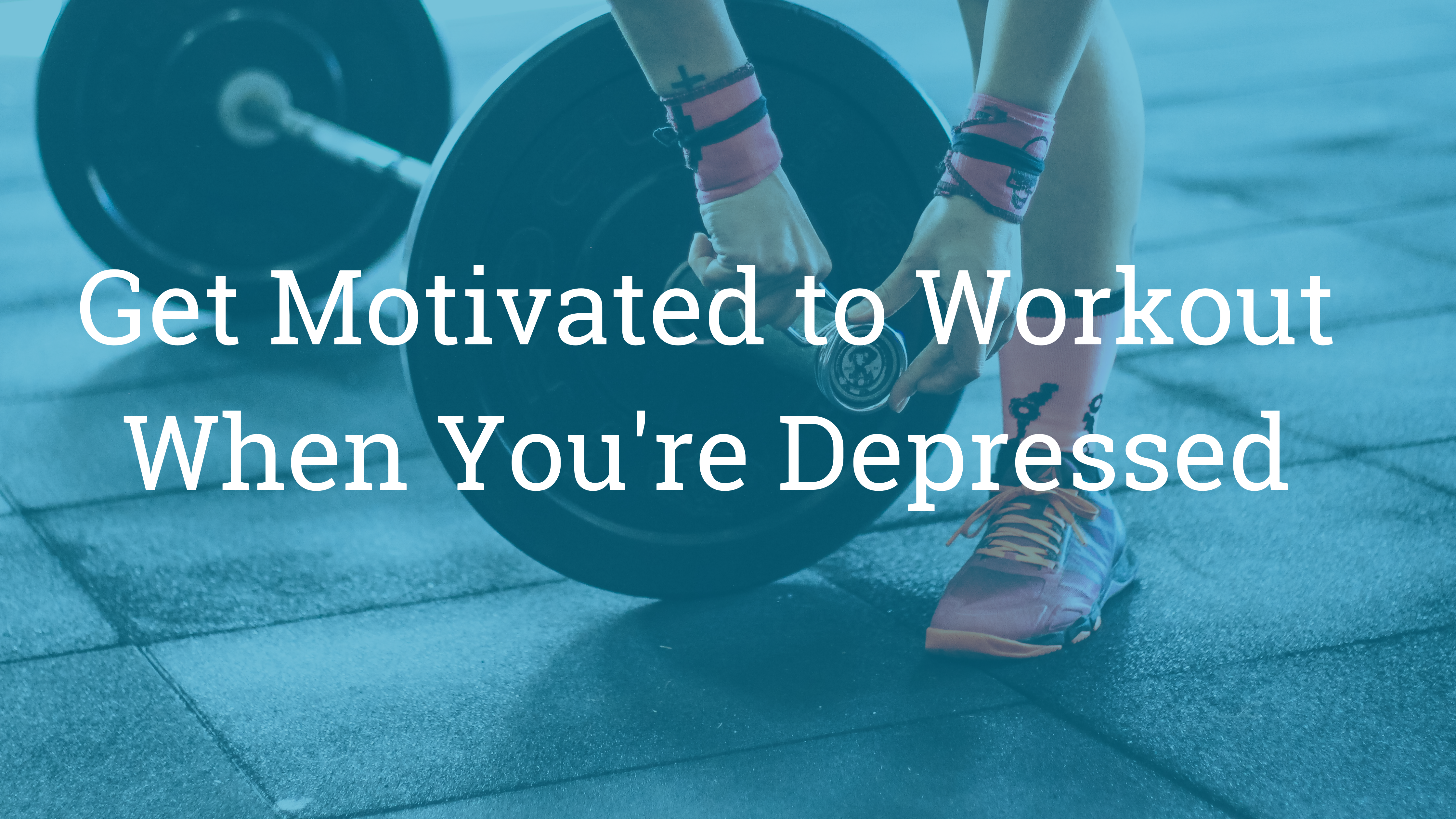
How to Get Yourself to Work Out When You’re Depressed
Whether you’re dealing with seasonal affective disorder, major depressive disorder, postpartum depression, or bipolar depression… it can be hard to motivate yourself to work out.
Yet…exercise is one of the best things you can do to support your health — and that includes your mental health too! But just knowing that exercise is good for you isn’t always enough to get the sneakers on, especially if you’re unmotivated. The truth is that no one is always excited about exercise 100% of the time —and that’s okay—but there are steps you can take if you find it hard to complete everyday tasks.
Depression can grow to be an all-encompassing condition that makes even daily tasks difficult. Depression can lead to indecision, which makes it hard to decide when to exercise or what type of exercise you want to try. Monica Clark, LPA, shares:
“Many people with depression will struggle to make [decisions]. For more complex decisions… a person with depression may feel paralyzed by an inability to decide. Difficulty making decisions may be related to either internal or external fears.”
If you or a loved one are battling depression—or even suspect you might be— our compassionate team here at Next Step 2 Mental Health encourages you to reach out for help. Professional mental healthcare providers can help you learn strategies to make a positive difference in your life, despite the all-consuming nature of depression.
In the meantime, keep reading to explore six strategies to boost your motivation.
Don’t Wait for Motivation
Depression can make even the smallest tasks, like showering, seem daunting. When it comes to exercise, don’t wait for a burst of motivation. Try reversing your thought process. Instead of saying, “I’ll go for a walk when I feel better” try thinking “I’ll go for a walk to help me feel better.” Over time, this will get easier.
You can also post a sticky note on your mirror or next to the couch to remind you to take your daily walk.
Eliminate Every Barrier Possible
If the idea of exercising seems impossible, chances are good that laying out workout clothes isn’t any easier.
In the absence of motivation, there are few things you can do to make this process easier:
- Keep your sneakers by the door and ready to go
- Plan a specific time for your daily walk
- Invite a friend or family member to join you (accountability)
- Go to bed in your workout clothes (so you’re ready first thing in the morning)
Start Small

Exercise doesn’t have to intense marathon training. Your body and your mind benefit from all kinds of physical activity. Even just the simple act of standing up and walking around the house for 10 minutes is a good place to start. Maybe just a walk with your dog around the block. Once you get up and moving, your endorphins start to pump, and you might find yourself wanting to do more. If not, and those laps around the house are all you do in a day, that’s still much better than nothing.
Walking can be very therapeutic. According to a study published in the Primary Care Companion to the Journal of Clinical Psychiatry, walking for 30 minutes per day for 10 days was enough for the study participants to notice a shift in their mood. You don’t have to walk on a treadmill though. You can walk outdoors and get the added benefit of sunshine — which can also boost your mood.
“Any physical activity is better than none,” certified health coach Pam Valdes reminds us.
Join an Exercise Program
According to researchers, individuals with depression who joined an aerobic exercise program experienced:
- Reduced feelings of anxiety
- Reduced depression symptoms
- Improved self-esteem
You can find a variety of aerobic exercise programs both in-person and online.
Recognize Negative Self-Talk
Sometimes negative self-talk can block your desire to work out, and unfortunately, negative self-talk is common among those with depression. However, if you learn to recognize negative thoughts and replace with neutral or positive thoughts to help you take your next step.
Here’s an example of what that might sound like:
- Negative self-talk: “I’m not good at lifting weights, so I won’t even try.”
- Neutral self-talk: “This is challenging, but that’s okay.”
- Positive self-talk: “I am strong, and each day, I continue to strengthen my muscles. I can do this.”
You can learn more about self-talk and depression in “Overcoming the Negative Self-Talk Cycles of Depression.”
Recognize Your Accomplishments
When you’re feeling depressed, any physical activity is a major win. Celebrate all of your accomplishments — big or small.
You might consider keeping a calendar and marking each day you exercise. Maybe you use a check mark, a gold star sticker, or the simple phrase, “I exercised today.” When you look back and see all of the days that did work out, it can boost positive feelings about yourself — and that can be a good motivator to keep it up.
You can also share your accomplishments with friends, family members, or any accountability/workout buddies.
When Depression Prevent Exercise: Find Treatment That Works
At Next Step, we know how profoundly depression can impact all aspects of your life. Our compassionate, non-judgmental team offers a variety of depression treatments, including medication and therapy.
If depression is keeping you from your potential, we can help. Call our Louisville, Kentucky office at 502-339-2442. You can also request an appointment online.
Learn More
5 Tips for Safeguarding Your Mental Health This Thanksgiving
Even though Thanksgiving is regarded as a time of togetherness, gratitude, and joy, there are many reasons why the holidays may be anything but bliss. This year in particular may look a little different than previous Thanksgivings, especially if quarantines and travel restrictions prevent you from gathering as you normally would. In addition to the unique challenges of 2020, holidays can be tough for another reason: holiday blues and added stress. According to a survey conducted by the American Psychological Association (APA), almost 38% of individuals polled listed stress as the #1 reason their mental wellness dipped during the holiday season.
Here are Next Step 2 Mental Health, our team of providers is here to support your mental health — no matter what season or holiday we approach. In this article, we’ll explore five ways for you to safeguard your mental health this Thanksgiving.
1. Prioritize sleep
If you’re hosting Thanksgiving, you might be busy cleaning, decorating, and planning. However, don’t let the excitement and busy-ness of the day prevent you from getting enough sleep. Constantly running on not enough sleep can impact your mental and physical well-being. Specifically, research links sleep deprivation with increased rates of insomnia as well as increased irritability.
WHAT TO DO: Aim for 7-9 hours of sleep in a cool, dark room. Avoid using any blue lights (e.g., TV, tablets, phone) for 1-2 hours before bed. You can learn more about the effects of blue and warm lights on your sleep in this article: Do Warm-Colored Lights Help You Sleep Better?
2. Stick with your normal routine
For individuals with ADHD, sticking with your normal routine each day is essential. However, a daily routine is important if you have other mental health conditions, including depression, anxiety, OCD, and bipolar disorder. According to a study published in Lancet Psychiatry, creating (and sticking with) a daily routine improves your ability to sleep at night, reduces emotional difficulties, and supports overall mental health.
WHAT TO DO: Holidays, however, can create many opportunities to detract from your normal routine. Try to stick with your normal routine as much as possible. The National Alliance Of Mental Health (NAMI) recognizes that this can be hard during holidays; however, they suggest to adhere to your routine as much as possible. For example, even if you plan a Thanksgiving dinner with family in the evening, don’t skip your normal morning routine.
A quick note about your medications: If you take daily medication, continue to stick with your medication schedule even during the holidays. You shouldn’t skip your dose or alter your medication schedule unless instructed to do so. Consider setting a reminder on your phone if you think the schedule disruptions might cause you to forget a dose.
3. Create a Budget for Thanksgiving Décor or Meals

Stress has an undeniable impact on your mental well-being, and Thanksgiving can add financial stress to your list of concerns. If the thought of unexpected purchases adds to your stress load, create a budget for any out-of-the-norm purchases — things that normally aren’t your monthly budget. This can include decorations and food for your parties. Once you create your budget, stick with it!
If you plan on doing any holiday shopping after Thanksgiving, add that to your budget too.
4. Don’t Skip Your Workout

There’s an unending list of the benefits of exercise. According to research published in the Primary Care Companion for Clinical Psychiatry, exercise boosts your mood, reduces stress levels, and gives you quiet time to decompress and just think.
When it comes to Turkey Day, there are plenty of ways to sneak a little exercise into your day:
- Go for a walk around the block — either alone or with family
- Go for a hike in the morning before your feast
- Toss a football in the yard
- Walk your dog and go around the block a few extra times
- Start the day with an online exercise program
- Crank up the radio and dance
If the weather is nice, head outside for your workout. The experts at Harvard share that time spent in nature can boost your mood.
Need more ideas? Read this blog: 4 Ways to Stay Active This Fall.
5. Practice Healthy Stress Management Techniques
Even if you try every tip on this list, it’s not possible to eliminate every source of stress, and that’s okay. The best strategy is to reduce what stress you can and then manage the rest of it with healthy stress management techniques.
During Thanksgiving (or any other stressful situation), it might be tempting to relieve stress by pouring an extra drink, using food as comfort, or even taking drugs to relax. These coping mechanisms may cause more problems in the long run. However, you can prepare by coming up with a list of healthy outlets for stress. MentalHealth.gov suggests getting fresh air, exercise, meditating, reading a relaxing book, doing art, and practicing deep breathing exercises.
You can also find help by:
- Talking with a friend or loved one
- Talking to a therapist
The takeaway: instead of relying on alcohol, drugs, smoking, or even food, protect your mental health by relying on healthy, evidence-based stress management techniques.
Don’t Enter the Holiday Season Unprepared
If you’re struggling with depression, anxiety, or another mental illness, we can help you get the treatment you deserve. At Next Step 2 Mental Health, it’s our mission to help you live a happier life, a better life.
Give us a call at our Louisville, Kentucky office at 502-339-2442, or send us a message to request more information.
Learn More
11 Ways to Help Someone with Depression
If a family member or loved one has depression, you might wonder what you can do to help them feel better. You might even feel confused or worried for your loved one.
At Next Step 2 Mental Health, our team of caring providers wants you to know that depression is treatable. In this article, we’ll explore 11 ways you can help someone in your family with depression.
11 Ideas to Help a Loved One with Depression
It can be overwhelming to see a loved one struggle with the symptoms of depression, but here are 11 ways you can help.
1. Practice Self-Care … and Take Care of YOU

You’ve probably heard the phrase: “You can’t pour from an empty cup.” Before you can help your loved one, you have to take care of yourself too. That means your physical and mental health. If you’re burnt out, it can be hard to care for another person. Taking a step back to recharge yourself can give you the energy you need to care for a loved one.
Self-care ideas include:
- Eating nourishing meals
- Exercising regularly (read this article to find out how nature improves your mental health)
- Getting quality sleep (aim for at least 7-9 hours of sleep each night)
- Allotting time for your own favorite hobbies
- Reading a relaxing book
You can also encourage self-care habits for your entire family.
2. Acknowledge Your Own Feelings
Depression doesn’t just impact your loved one. It can affect your entire family. Caring for a spouse or teen with depression can be overwhelming. Don’t ignore your feelings. They are normal and valid. You can’t control what you feel, but do know that your feelings are a natural response to what can be a potentially overwhelming or difficult situation.
You may find it valuable to join a caretaker/family support group, talk with with your spouse (which is especially important if you are both caring for a child or teen with depression), or even see a therapist yourself. The important thing is to be open about your frustrations rather than keep them pent up inside.
3. Learn as Much as You Can About Depression
Depression is well-known for causing intense sadness, but that’s not the only symptom. Depression can affect people differently. Take the time to read about seasonal affective disorder, how depression physically affects the human body, and explore the lesser-known symptoms of depression.
You might notice any of the following in your loved one:
- Weight changes (either losing or gaining weight)
- Loss of interest in favorite hobbies
- Changes in eating habits (including eating more and eating less)
- Sleep disturbances and insomnia
- Sleeping too much or not enough
- Feeling guilty
- Feeling worthless
It’s also important to note that depression causes physical symptoms too. Your partner or teen might complain of headaches, muscle tension, and stomach pain.
Monica Clark, LPA elaborates: “Depression is not just in your head.” She continues to share that depression can cause real, tangible pain. Depression can alter the way your loved one experiences pain. It can decrease his/her pain tolerance.
4. Research Disability Laws and Rights
If your loved one can’t work due to depression, you might want to learn more about any pertinent disability laws. The American Disability Act (ADA) defines a disability as a physical or mental impairment that substantially limits a major life activity. Under this law, individuals have the right to privacy as well as the right to ask for reasonable accommodations.
5. Be Supportive

One of the most helpful things you can do is to let your loved one that you are there for them. Support – in the form of a listening ear or a shoulder to cry on – can be comforting
Be patient, but let your loved one know you are there for them in whatever way they need.
Depression is not their fault and it doesn’t make someone lazy, worthless, or weak. Don’t be afraid to ask how you can best help out. You’ll never know what a simple offer to help can do until you try.
6. Don’t Take Withdrawal Personally
People with depression may withdrawal or avoid social outings or events. Try not to take withdrawal personally. Withdrawal can be hurtful, especially if it’s your spouse that pulls away. Recall from your research on depression that loss of libido can be a sign of depression – and not a sign that something is wrong with you.
Withdrawal (or even an angry outburst) may have nothing to do with you.
7. Resist Nagging
Depression can cause fatigue and loss of interest in normal everyday routines. On the outside, it might look as if your loved one is lazy – especially if they stop helping out around the house. However, a person with depression isn’t lazy. They are struggling with a mental illness.
Try to remember that everyday activities – such as paying a bill or even feeding a beloved pet – can be very overwhelming for someone with depression.
Try not to blame your loved one – or yourself. There’s no shame in asking for help.
8. Learn about Depression Treatments
Although depression can be incapacitating, it can be treated with therapy, lifestyle changes, and medication. One easy way to help your loved one is learn about potential treatment options, including how depression medication works.
You might want to learn:
- How depression medication works
- What are the potential side effects
- How to tell if a treatment is no longer working
- How to tell if your teen has stopped taking medication (withdrawal symptoms)
If you’re helping your teenager manage his or her depression, you might set up online therapy appointments, encourage healthy lifestyle changes, and make sure they take their medication as described – and reassure them that medication isn’t a sign of weakness.
9. Offer Hope to Your Loved One

“Once you choose hope, anything is possible.” Christopher Reeve
Offering hope to a loved one can give them the courage to get dressed each morning. Hope comes in many forms. It might faith in God, the thought of their children, or even a pet – or anything that gets your spouse or teen out of bed each morning.
Tip: Know what matters to your spouse or teen (like children or a pet) and find ways to remind him or her of these sources of hope when they are struggling on a bad day.
10. Know When You Need Immediate Help
If your family member is showing signs of suicidal thoughts or is self-harming, he or she needs immediate help.
Out of an abundance of caution and for the sake of safety, familiar yourself with these red flags:
- Preoccupation with death
- Signs of self-harm
- Creating a will and/or giving away possessions
- Talking openly about suicide
- Saying goodbye as though it’s the last time
- Statements like, “You’d be better off without me” or “Maybe I should just go away”
- Suddenly switching from being very depressed to being very happy without reason
If you are feeling suicidal, thinking about hurting yourself, or are concerned that someone you know may be in danger of hurting himself or herself, call the National Suicide Prevention Lifeline at 1-800-273-TALK (1-800-273-8255). It is available 24 hours a day, 7 days a week and is staffed by certified crisis response professionals.
11. Love Them Unconditionally
Feelings of guilt or worthlessness often accompany depression. These feelings may cause a person with depression to feel like a burden. To mitigate these feelings, let your loved one know that your love is unconditional.
Explore Your Next Steps
Regardless of what type of mental health concerns you have, our team of skilled and compassionate providers can help you and your family regain control of your life. At Next Step 2 Mental Health, it’s our mission to help you live a happier life, a better life.
Give us a call at our Louisville, Kentucky office at 502-339-2442, or send us a message to request more information.
You can also request an appointment with our convenient scheduling tool here.
Learn More
Do You Have Depression or Seasonal Affective Disorder?
Winter blues. Winter funk. The Blues. Whichever name you use, the reality is that seasonal affective disorder (SAD) is common during the darker winter months, and it can be debilitating.
If you’re experiencing any symptoms of depression or SAD, we encourage you to give us a call. Whether you’re struggling with major depressive disorder or seasonal affective disorder, we can help you feel better.
In the meantime, continue reading this article to explore what SAD is and how it’s different from major depressive disorder.
What Is Seasonal Affective Disorder?
According to the Diagnostic and Statistical Manual of Mental Disorders (DSM-IV), seasonal affective disorder is described as a “specifier,” referring to the seasonal pattern of major depressive episodes. Depressive episodes can occur within major depressive disorder as well as bipolar disorders.
According to the American Family Physician, SAD is a pattern of major depressive episodes that come and go with changes to the seasons. The most common form of SAD is known as the winter blues or winter depression, with symptoms starting in the fall and continuing until spring.
Symptoms of a major depressive episode (whether you have SAD, major depressive disorder, or bipolar disorder) include:
- Increased feelings of sadness
- Feeling depressed almost every day
- Loss of passion for your favorite activities
- Fatigue and low energy levels
- Difficulty sleeping
- Changes to your appetite
- Feeling agitated
- Trouble concentrating
- Experiencing feelings of hopelessness or guilt
- Having frequent thoughts of death or suicide
If you are feeling suicidal, thinking about hurting yourself, or are concerned that someone you know may be in danger of hurting himself or herself, call the National Suicide Prevention Lifeline at 1-800-273-TALK (1-800-273-8255). It is available 24 hours a day, 7 days a week and is staffed by certified crisis response professionals.
SAD or Depression?

How can you tell if your feelings of depression are related to SAD or major depressive disorder? The biggest indication is the connection to seasonal changes. According to the DSM, the following characteristic help to identify the seasonality of your depression:
- There is a recurrent link between the onset of the major depressive episodes and a certain time of year
- There is a full remission (or at least a shift from major depression to hypomania) that occurs at a certain time of year
- Two episodes have occurred in the last two years
- Major depressive episodes linked to seasonal change outnumber the episodes of non-seasonal episodes
Tips for Decreasing the Impact of SAD
Now that we’ve covered what SAD is, how to spot the signs of SAD, and how light affects your mood, what can you do about it?
Here are four strategies you can implement.
1. Schedule Regular Exercise

Staying active is good for your body and your mind. Exercise can boost your mood — thanks to those feel-good endorphins. Endorphins help reduce stress, decrease feelings of depression or anxiety, and even help you sleep better at night.
Even as the seasons change, try to find ways to fit 30 minutes of daily exercise into your routine. As the Norwegian say, “There’s no such thing as bad weather, only bad clothes.” Bundle up and experience cold-weather activities like cross-country skiing, hiking, or snowshoeing. Even an extra walk around the block in the fresh air is good for you.
You don’t have to exercise outside to reap these benefits. There are plenty of indoor options: running on a treadmill, cycling on a stationary bike, yoga or Pilates, lifting weights, or following along with a YouTube at-home workout.
2. Soak Up Some Sunshine
Even if the sun is setting early and early, try to spend time outside each day. Experts suggest spending 30 minutes of your time in the morning sun — to start the day off right. If you walk your dog or go for a quick jog in the early morning sun, then you’ve crossed two items off your list in one swoop: regular exercise and soaking up some sunshine.
3. Practice Good Sleep Hygiene
Sleep disturbances are a common symptom of depressive episodes. You can help to reduce the intensity of sleep disturbances by following good sleep hygiene.
This includes:
- Going to bed at the same time every night
- Avoiding blue lights before bed
- Sleeping in a cool, dark room (just a few degrees cooler than room temperature)
- Using a white noise machine
- Engaging in a relaxing activity before bed (like reading or listening to calming music)
- Exercising during the day (but not within the hours right before bed)
Want more sleep tips? You can learn more about sleep hygiene here: What Is Sleep Hygiene?
4. Seek Treatment
Whether you’re dealing with SAD or major depressive disorder or bipolar disorder, depression can be debilitating — even if it doesn’t last year-round. Our compassionate and non-judgmental team of experts is here to help you get the relief you need.
Call our Louisville, Kentucky office at 502-339-2442. You can also request an appointment online.
Learn More
Overcoming the Negative Self-Talk Cycles of Depression
How you talk to others is important and can play a big role in the quality of your relationships. However, how you talk to yourself is equally important. Your state-of-mind and your internal monologue (self-talk) impacts your mental health. The American Psychological Association can assess the quality of self-talk to predict anxiety in kids. Self-talk doesn’t just impact anxiety; it can exacerbate depression too. According to a study published in the Annual Review of Clinical Psychology, people who engage in negative self-talk experience more intense feelings of depression.
Here at Next Step 2 Mental Health, we want to help you overcome both the physical and mental challenges of living with depression. Our multidisciplinary team is experienced when it comes to diagnosing and treating depression — and that includes helping you overcome negative self-talk.
In the meantime, read through this article to learn how to identify common negative self-beliefs and how you can reframe your mindset.
Depression and Negative Self-Talk: What’s the Link?
Sadness is one of the most well-known symptoms of depression. While intense sadness can be debilitating, it’s not the only symptom of depression. Other symptoms of depression include changes to your eating habits (eating more or less), changes to your sleeping routines (sleeping more or less), irritability, fatigue, and physical aches.
Teens and adults with depression might also cling to negative self-beliefs. Self-beliefs are thoughts and perceptions about yourself, and they can be positive or negative.
Negative self-beliefs are faulty, self-defeating thoughts that you hold about yourself and/or the world around you.”
Negative self-beliefs cause low self-esteem. Holding so many negative views about yourself and your abilities can impact your life in many ways.
Negative self-talk might:
- Make it hard for you to think you’ll reach your goals
- Lead you into the faulty thinking patterns that if you can’t be perfect, then it’s just not worth it to try
- Impact your relationships with friends, co-workers, and family members
So what can you do about negative self-talk? The first step in overcoming negative core beliefs is to learn to identify the negative self-talk and then work towards minimizing those thought patterns.
Identifying Negative Self-Talk and Negative Core Beliefs
Negative core beliefs are the faulty things you believe about yourself, and negative self-talk is the way you talk to yourself — that inner dialogue with yourself.
Negative self-talk can sound different to each person, but here are 10 examples.
- “I’m unlovable.”
- “I can’t do anything right.”
- “I’ll never be good enough at A or B.”
- “I’m not enough.”
- “I’ll never be a good enough spouse.”
- “I’m a failure.”
- “I’m not a good enough parent/brother/sister/friend.”
- “I’m too weak.”
- “I’m too lazy.”
- “I’ll never succeed at work.”
Once you can pinpoint a thought as limiting or negative, you can start to replace negative thoughts with neutral thoughts.
Replacing Negative Thoughts
First, remember that your thoughts don’t necessarily reflect the truth. For instance, just because you think you’ll never be a good enough runner doesn’t mean that you have to stop going for a daily jog.
Negative self-talk wants you to think “I’m too weak, and I’ll never be able to run a 5K.” However, if you focus on neutral thoughts — rather than the negative — you might see a clear path forward.
What does a neutral thought sound like?
Consider this phrase: “Preparing for this race is challenging. I understand now how more cross-training sessions can help me become a better runner.”
Here’s the difference: Negative self-talk limits your ability to believe in yourself to reach your goals. Neutral self-talk can help you see your potential without limiting you. Positive self-talk can take it one step further.
Consider this phrase: “My body is strong. With every training day, my muscles become stronger and stronger. I can follow the training program, and I can complete my race.”
Positive Self-Talk

Multiple studies have shown that positive thinking and positive self-talk can have a real impact on your mental and physical health. For instance, athletes often use positive self-talk to boost performance or even push through more challenging workouts.
Examples of positive self-talk include:
- “I can do this.”
- “I am good enough.”
- “My body knows what to do.”
- “If I try hard, I can get there.”
More Options to Stop Negative Self-Talk
In addition to focusing on neutral and positive self-talk, keep these tips in mind:
- Say your self-beliefs out loud. It might feel silly at first, but it’s actually a lot easier to spot the negative self-talk by saying your thoughts out loud.
- Ask yourself what a friend would say to you. Try to think like your friend. Or, alternatively, what would you say to a friend in your position?
- Insert as much positive self-talk into your day as possible. You can even stick sticky notes on your mirror to start your day on a more positive note.
Remember: Share a little TLC with yourself. Loving yourself starts with how you think about yourself.
Depression Treatment When You Need It Most
At Next Step, we know how profoundly depression can impact all aspects of your life. We also know that it can be hard to free yourself from a cycle of negative self-talk. The good news is you don’t have to go on this journey alone. Our compassionate, non-judgmental team offers a variety of depression treatments, including medication and therapy.
If depression is keeping you from your potential, we can help. Call our Louisville, Kentucky office at 502-339-2442. You can also request an appointment online.
Learn More
Bipolar Disorder and Depression: What You Need to Know
Nearly 6 million Americans are impacted by bipolar disorder every year. In terms of percentages, that’s about 2.6% of the adult population — 2.6% of all adults who struggle with the lows of bipolar depression and the highs of a manic episode.
At the Next Step 2 Mental Health, our team is experienced in diagnosing depression. This is important because there are many types of depression, including seasonal affective disorder, major depressive disorder, postpartum depression, and bipolar depression. Your treatment varies depending on what type of depression you have.
Below, we cover what manic depression is — and how it differs from other types of depression.
What Is Bipolar Depression?
Before we look at what bipolar depression is, let’s look at the many types of bipolar disorder. The following are different types of bipolar disorder:
- Bipolar disorder I
- Bipolar disorder II
- Cyclothymia
Regardless of which type of bipolar disorder you have, the disorder is characterized by shifts in your mood that cycle between manic (or even hypomanic) episodes and depressive episodes. Manic episodes refer to cycles in mood characterized by high energy and inappropriate levels of euphoria. It’s also possible to experience illusions of grandeur, decreased need for sleep, and irritability. Bipolar depression refers to the other shift in the pendulum; bipolar depression is the depressive episodes that are part of bipolar disorder.
Major Depressive Disorder Versus Bipolar Depression
Major depressive disorder, postpartum depression, seasonal affective disorder, and bipolar depression share many of the same symptoms. Symptoms of depression (regardless of which type you have) may include:
- Intensified feelings of sadness
- Changes to your normal eating patterns (i.e. eating more or less)
- Changes to your sleeping patterns (i.e. insomnia and the need for more sleep)
- Feelings of helplessness or hopelessness
- Increased fatigue and lack of energy
- Loss of passion for your favorite hobbies
- Difficulty focusing
- Decision fatigue
You may be wondering how you can tell the difference between major depressive disorder and bipolar depression. The main difference is that people with major depressive disorder don’t experience mania. Individuals with bipolar disorder experience cyclic shifts between depressive and manic episodes. According to the experts at Harvard Health, manic episodes may last two to four months, while the depressive episodes can last eight months or longer. Some people may assume they have major depressive disorder, especially if they had a more mild manic episode. This is just another reason why it’s so important to have an accurate diagnosis — to make sure you’re treating the right condition.
Can Major Depressive Disorder Turn into Bipolar Disorder?
No, a major depressive disorder can’t turn into bipolar disorder, but it’s possible that you mistake bipolar depression for a major depressive disorder, especially if the manic (or hypomanic) episodes were mild.
The takeaway: If you experience any depression-like symptoms, it’s important to seek help from one of our experienced providers, such as Dr. Brian Briscoe, who understands all of the complexities of manic depression.
How Is Bipolar Depression Treated?
Because depression can be linked to several different mental health illnesses, it’s vital to start with an accurate diagnosis — major depressive disorder or bipolar disorder. While there isn’t a cure for bipolar depression, our team of experienced professionals can help you feel better and regain a sense of normalcy through medications and psychotherapy.
Call our office today at 502-339-2442, or book an appointment online.
Learn More