
What Is CBT and How Does CBT Help with Anxiety?
Anxiety disorders are extremely common. About 40 million American adults are affected by an anxiety disorder each year. Anxiety disorders can profoundly impact the quality of your life, and even though anxiety is treatable, almost 40% of those with anxiety don’t get the treatment they need. Here at Next Step 2 Mental Health, we know that anxiety can affect many aspects of your life, but with treatment, it’s possible to thrive. Our compassionate team consists of board-certified psychiatrists and licensed psychologists so you can get the anxiety treatment you need, whether that’s medication, therapy, cognitive behavioral therapy (CBT) — or a combination.
If you’re starting to explore your anxiety treatment options, you might wonder what CBT is. In this article, we’ll explore what CBT is and how it fits into your anxiety treatment plan.
What is CBT?
“One of the best treatments for anxiety is cognitive behavioral therapy,” Dr. Dan Guy explains in his course on anxiety and ADHD.
But what is CBT?
CBT is a psychotherapeutic treatment, and it’s used to treat several conditions. CBT can be used to treat anxiety, depression, phobias, and even eating disorders. Regardless of why you’re seeking CBT, it functions under the same principles: you’ll learn how to identify negative thought patterns that increase anxiety, how to change negative thought patterns, and how to make sense of an overwhelming issue by examining its smaller parts.
This therapy is designed to show how situations, automatic negative thoughts (ANTs), emotions (that form as a result of ANTs), physical feelings (that form from emotions), and actions (inspired by our emotions) are all connected. In other words, any thought you have about a particular problem directly affect your feelings about the event and how you feel physically and how you react in response. If you can change your thought patterns and avoid the negative thought patterns, you can start to overcome overwhelming thoughts and situations.

To recap: CBT operates under the theory that psychological problems are based (in part) on faulty thinking batters and unhelpful behaviors. CBT is designed to interrupt this cycle, to reframe thinking patterns and establish more helpful behaviors for coping.
How Does CBT Work?
CBT can help treat your anxiety by focusing on how you think and act but what exactly does that look like in practice? Here’s how CBT works:
1. Identify Negative Thoughts
“To manage anxiety, you’ve got to deal with the ANTs,” Dr. Guy says. The ANTs, of course, refer to automatic negative thoughts, and that’s where therapy starts. You’ll first have to identify the negative (or maladaptive) thoughts.
As you start to explore your negative thought patterns, you’ll also learn how those thoughts contribute to your behaviors.
For instance, if you have social anxiety, simply thinking about giving a speech can cause physical symptoms such as increased heart rate — and this can influence the actions you take. Identifying all of your negative thoughts is a vital component of your therapy and your overall progress.
2. Practice New Skills
Now it’s time to get rid of the ANTs! Once you’ve identified your negative thought patterns, you’ll be able to start implementing new skills. Your specific skills will vary depending on what your specific triggers are.
The key though is that the skills and strategies you learn during CBT sessions can be applied to real-life situations.
3. Monitor Your Progress
Through your journey, you can monitor your progress by setting goals. For example, if social anxiety leads you to avoid all social gatherings, your first goal likely isn’t going to be karaoke night a friend’s house. Instead, you may set smaller goals such as to practice having a quiet conversation with just one or two friends.
Goals aren’t arbitrary. They are specific, realistic, and — most importantly — easily measured. This means you can see and track your own progress easily.
CBT Doesn’t Have to Stand Alone
One of the benefits of CBT is that you don’t have to choose between CBT or other treatments. We can combine CBT with other anxiety treatments, such as lifestyle changes, anxiety prevention strategies, and medication management.
Get the Anxiety Relief You Need
Here at Next Step 2 Mental Health, we want to help you feel better. That’s why we take a multidisciplinary approach when it comes to managing anxiety. From medication management to therapy (including CBT) to online courses, we are with you every step of your journey.
Give us a call at our Louisville, Kentucky office at 502-339-2442, or send us a message to request more information.
You can also request an appointment with our convenient scheduling tool here.
Learn More
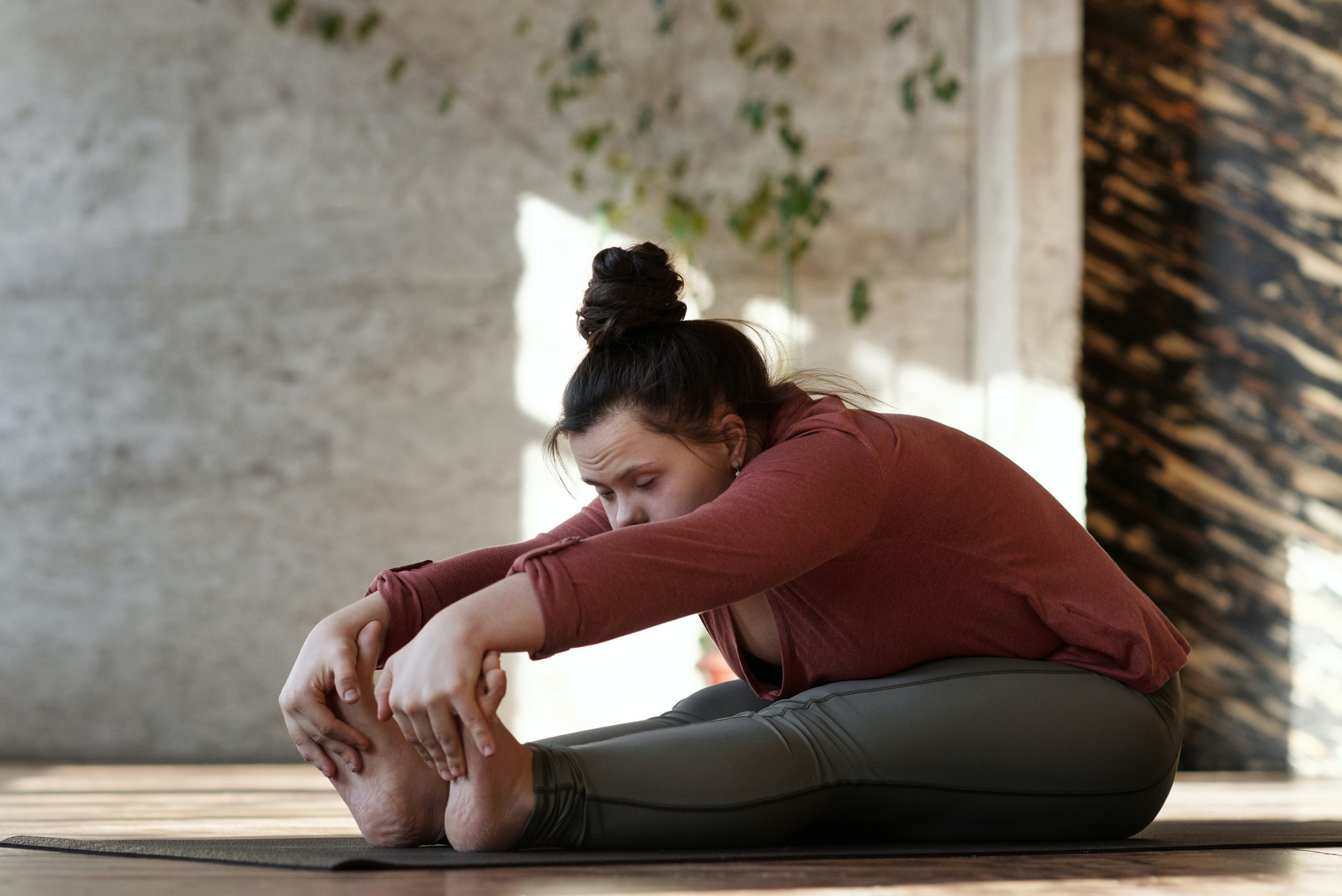
4 Ways to Stay Active This Fall (and How It Benefits Your Mental Health)
Are you looking for new ways to keep your family active this fall? With the current pandemic, we know that fall-inspired activities might not look the same this year, especially if you’re taking a pass on your favorite parades, festivals, or outings.
Even with a disruption to your normal fall activities, it’s important to find safe ways to stay active. Exercise and regular activity are essential for your mental health. Exercise boosts self-esteem, lifts your mood, and helps lessen the symptoms of anxiety and depression, according to the research published in The Primary Care Companion to the Journal of Clinical Psychiatry.
Here at Next Step 2 Mental Health, we understand the many benefits of staying active, and that’s why we recommend regular exercise and physical activity as part of a healthy lifestyle.
In the spirit of incorporating more physical activity into your everyday routine, we created this guide to get you started. Here are four activities to help you stay active this fall.
1. Go for a Hike

Hiking is often thought of as a summer activity, but hiking can benefit you year-round. In fact, a fall hike might be more comfortable as the temperatures ease up — plus you’ll have the added bonus of seeing beautiful fall foliage.
Hiking on natural trails is a great family-friendly option. And the best part? It’s easy to adhere to the CDC’s guidelines for social distancing while hiking. Depending on which trail you choose, you can make your outing as easy or as challenging as you wish.
Hiking can support your mental health in a variety of ways, according to the experts at Harvard Health. Simply spending time in nature serves as a natural stress reliever, while creating an opportunity to spend quality time with your family — which can also lift your mood. Hiking, especially if you are walking at an incline, supports your cardiovascular health and increases your circulation.
2. Schedule Unstructured Play
You don’t have to trek through the mountains to get a good dose of physical activity. You can simply migrate to your own backyard, and choose your favorite backyard activity:
- Catching a ball with your child
- Playing tag or hide-and-seek
- Playing soccer
- Shooting a basketball or even playing HORSE
- Doing a workout outside (lots of good workout routines you can find on YouTube)
- Playing fetch with your dog
Playing outside is a great way to incorporate younger members of your family. Physical activity supports the mental health of children and adults alike. As Next Step’s Certified Health Coach Pam Valdes says, “Anything that gets you moving is good for your health.”
3. Practice for a 5k (or Other Activity)
Setting goals — and working towards them — helps develop a sense of self-mastery and gives you something to look forward to. Even if there aren’t any scheduled 5K races near you, you can still create activity-related goals. If you’re not a runner, that’s okay. You can turn any physical activity into a goal.
Here are a few examples:
- You can aim to increase your daily step goal by 500 steps.
- You can make a goal to spend a few minutes playing catch in the yard with your kids.
- You can make a goal to add one more block to your walking route.
- You can make a goal to walk on the golf course instead of using a cart.
Tip: Goals can also include simply learning a new sport or activity.
4. Commit to Exercise as a Family

Staying active doesn’t have to mean 5 am workouts or super intense exercise programs. Dr. Brian Briscoe reminds us that “just 30 minutes of light physical activity is more than enough to generate significant benefits for physical and emotional health.”
Many parents may struggle to find time to fit exercise into the schedule, but it doesn’t have to be an “either / or” thing.
Dr. Briscoe continues, “If you can’t get away from the children, figure out a way to involve them. Take them on a walk, go on a bike ride, play soccer with them in the back yard.
Bottom line: There are plenty of ways to sneak more physical activity into each day of the week.
We’re Here When You Need Us
At Next Step 2 Mental Health, we care about the health and well-being of your entire family. Whether you or your child needs mental health care, we’re here to help with all of your family’s mental health needs.
To schedule an appointment, give us a call at 502-339-2442. You can also request an appointment online.
Learn More
7 Ways to Manage Social Anxiety
Did you know that social anxiety is just one type of anxiety? There are five different anxiety disorders: generalized anxiety disorder (GAD), obsessive-compulsive disorder (OCD), post-traumatic stress disorder (PTSD), panic disorder, and social anxiety. Social anxiety, like other forms of anxiety, is characterized by intense worry. In the case of social anxiety, anxiety symptoms are heightened in everyday social situations.
At the Next Step, our team of experts is experienced in diagnosing and treating all types of anxiety. If you experience any of the symptoms of anxiety, we encourage you to visit us so can get the relief you need.
In the meantime, here are seven ways you can manage social anxiety.
1. Try Deep Breathing
Deep breathing exercises can help you reap the benefits of slow, steady breathing. Deep breathing exercises focus on deep breaths from your diaphragm. This is a useful skill as these exercises can also help relax your mind and body in uncomfortable social situations.
To explore two types of deep breathing, watch the video below. We’ll focus on triangle breaths and squares breaths.
WHY IT WORKS
Deep breathing triggers your parasympathetic nervous system and shifts your body away from flight or fight mode. Your parasympathetic nervous system is sometimes called the “rest and digest” system. So when this nervous system is stimulated, your body feels relaxed.
And when your body feels relaxed, your mind also feels relaxed, which can help you cope in social settings.
2. Spot Negative Thoughts (and Create Alternative Thoughts)
Dr. Dan Guy shares the first step to overcoming anxiety: “You’ve got to overcome the ANTS, or automatic negative thoughts.”
Automatic negative thoughts are automatic (and faulty) patterns of thinking can make social anxiety symptoms worse. There are many different types of negative thought patterns, including mind-reading, fortune-telling, and blame.
An ANT could sound like this:
- “Everyone here at this party knows how anxious I am.”
- “The whole restaurant is annoyed that I walked in here. They are all staring directly at me. ”
Negative thought patterns can be very bothersome, and unfortunately, they can become automatic. You can work to identify and overcome negative thought patterns, though. You can overcome negative thoughts by identifying them — and then coming up with alternative thoughts. For example, “Everyone is not ignoring me because I was late. They are simply engrossed in the speaker at the event.”
3. Learn to Face Your Fears
Avoiding social situations might temporarily reduce social anxiety, but in the long run, avoidance can severely impact your quality of life. Learning to face your fears can help you learn to cope so that you can enjoy social outings. If fear of public speaking is on your list, explore ways to face this fear in small, controlled settings. For example, you might volunteer to read the instructions out loud at a family game night. This is a smaller step and much more manageable than jumping into karaoke night with strangers.
There are many little things you can do on a daily basis to help you manage social anxiety. For example, arriving at dinner (or a meeting) early allows you time to mentally prepare. This also gives you the opportunity to greet friends (or co-workers) one at a time as they arrive.
4. Practice Self-Care
Self-care goes a long way in supporting your mental health. This includes:
- Eating a well-balanced diet
- Getting quality sleep each night
Researchers found that inadequate sleep can increase feelings of loneliness and make it harder to connect with others. Aim for 7-9 hours of sleep each night, especially before a big event. A solid diet can support your mood, energize you, and help you avoid blood sugar crashes.
5. Exercise
If you have social anxiety, exercise is helpful in a few ways. Exercise can:
- Relax you
- Boost your mood thanks to endorphins
- Provide an opportunity to practice social skills
- Supports your frontal cortex and strengthens your executive function skills (which then helps you deal with real or potential threats)
Bonus: Exercise in nature, if you can. Studies show that the combination of exercise and nature provides even more anxiety-reducing effects.
6. Learn about Social Anxiety
If you or a loved one struggle with anxiety, it’s important to learn as much as you can about the topic. You can
- Read books (here’s a list of anxiety books recommended by the American Anxiety and Depression Association)
- Take an online course (we have one that covers the link between anxiety and ADHD)
- Talk to your mental health care provider
Tip: Reading about anxiety can help you learn more about the condition, but even the act of reading can help you relax. Reading can relax your calm, reduce your heart rate, and ease the tension in your muscles. Researchers from the University of Sussex determined that reading can reduce stress levels by nearly 70%, according to a 2009 study. It works better and faster than other relaxation methods, like listening to calming music. Although, you can pair hot tea, calming music, and reading for a great relaxing activity.
7. Seek Help When You Need It
Even if you implement these strategies for reducing anxiety, you still might benefit from professional help. Remember, asking for help is never a sign of weakness. Here at Next Step 2 Mental Health, we provide comprehensive and compassionate anxiety treatment — no matter which type of anxiety you have. Whether you’ve been struggling with anxiety for years or current events have triggered your anxiety, we can help you feel better.
Give us a call at our Louisville, Kentucky office at 502-339-2442, or send us a message to request more information.
You can also click here to request an appointment with our convenient scheduling tool here.
References:
- https://www.hhs.gov/answers/mental-health-and-substance-abuse/what-are-the-five-major-types-of-anxiety-disorders/index.html
- https://www.sciencedaily.com/terms/parasympathetic_nervous_system.htm#:~:text=The%20parasympathetic%20nervous%20system%20is,muscles%20in%20the%20gastrointestinal%20tract.
Your Guide to Improving Communication in Marriage
If changes to “life as you know it” have caused tension in your relationship, you’re not alone. With more people staying at home and working at home, the increased time spent together can add pressure to your relationship. Anger, fear, and frustration are common feelings to experience during uncertain times such as these, and it can take a toll on your communication in marriage.
That being said, stress from current events or small squabbles don’t have to derail your relationship. Relationships, pandemic or not, require regular maintenance to function like a well-oiled machine. And one way to maintain a healthy relationship is by continually working to improve your communication.
Here are our best tips on strengthening the communication skills in your marriage.
Step-By-Step Guide on Communication in Your Marriage
1. Learn How to Fight Fairly
Conflict is a scary word, but the reality is that disagreements are part of living with another person. Conflicts, though, don’t necessarily mean that your relationship is in trouble. The key is to learn to resolve disagreements fairly and with respect.
Sometimes disagreements are minor, but most relationship conflicts are recurring issues. In fact, up to 69% of relationship conflicts are caused by recurring issues. This means that the majority of conflicts arise because past issues aren’t properly resolved. Avoiding fights isn’t necessarily better. Avoidance doesn’t allow for the problems to be solved — and that can account for those recurring conflicts. Having good communication in your marriage won’t eliminate sources of conflict, but strong communication skills can help you better resolve differences.
The key is to fight fairly. You can learn five strategies to fight fairly in this post by Dr. Dan Guy.
One of the guiding principles behind fair fighting is to remember who you are fighting with. As Dr. Guy reminds us, “Remember that you are arguing with somebody you love.”
Tip: If you know you need to have an important conversation, plan ahead. Don’t spring a potentially hot topic issue on your spouse — which leads to tip #2.
2. Schedule Important Conversations
Throughout your marriage, you will have dozens (if not hundreds) of important conversations with your spouse. Unfortunately, poorly timed conversations don’t lay the best foundation for open communication.
Imagine this scenario:
You need to talk to your spouse about something important. Your spouse walks in the door after a long, hard day at work. He or she may not have enough energy to handle a big conversation. He or she may even feel attacked.
Instead:
Let your spouse know you need to talk about X,Y,Z. Ask him or her, “When is a good time for us to talk about (insert your topic of conversation here) with me?”
Why this works:
Scheduling an important conversation ensures that your partner is in the right frame of mind to think logically about the topic at hand. Asking to schedule an important conversation also ensures that you two have the time and space and attention you each deserve. It’s hard to have a big conversation when you’re walking in the door from work and trying to set down your briefcase, get dinner on the table, etc.
3. Learn Your Spouse’s Love Language
One of the most important things you can do for your relationship is to learn your spouse’s love language. The love languages are inspired The Five Love Languages by Gary Chapman. The primary love languages are:
- Words of affirmation
- Acts of Service
- Quality time
- Gifts
- Physical touch
You can improve your communication skills by “speaking” your spouse’s love language.
Ask your partner about the things that make them feel loved — or unloved. As you listen to your spouse, listen with an open mind and open heart. This open communication is a great exercise in keeping the communication line open. You may learn new things about your spouse, and it may even change the way you two communicate!
Bonus: Tune in to this podcast episode as Oprah Winfrey interviews Dr. Gary Chapman.
Types of Communication in Marriage

In marriage, there are many ways to practice your communication skills. Communication is a big umbrella that encompasses everything from quick text messages to schedule a dinner to big sit-down conversations to decide which house you want to buy.
1. Informal Conversations
Informal conversations — or small talk — are one of the most frequent ways you can communicate with your spouse. Informal conversations are:
- Simple connections
- Don’t require emotional vulnerability
Examples:
- “Hi, honey! How was your day?”
- “I’m starving. Where should we go for dinner?”
- “Did you the sports recap on the radio?”
- “Did you help Emily with her science project, or should I?”
2. “Making Decisions” Administrative Meetings
After small talk, you’ll have plenty of “administrative” conversations in your marriage. These types of conversations include:
- Setting budgets
- Deciding on which new car to buy
- Arranging carpool schedules
Communicating about major decisions is an important part of your marriage. While you don’t need to discuss every decision (like what to order at a restaurant), there are some topics that always require a discussion. With your spouse, determine which types of decisions always require an administrative meeting first. Examples include:
- Making vacation plans
- Spending over a certain dollar amount
Each couple may have their own guidance. For example, one couple may say that spending over $100 requires a quick check-in while other couples may set a different number. Regardless, it’s important to stick to the rules you and your spouse set. Most importantly, always be considerate of your spouse.
3. Solution-Finding Conversations
You may also need to communicate with your spouse to resolve a conflict or find a solution to a problem. Maybe your car broke down and you need to figure out a way to get the car to the shop and share the remaining car. It’s important to approach these solutions-focused conversations remembering that your spouse is your teammate. Together, you can work to find a solution for the current issue.
These types of conversations can slip-slide into an argument, especially if you disagree on what the right solution is. Keep in mind that resolution of the problem is the goal — not whether or not your idea is the winning solution.
4. Life-Giving Conversations
Have you ever stayed up late into the night talking with your spouse? Sometimes a conversation has the power to recharge your soul and rekindle your relationship. These are life-giving conversations.
Let’s back up a minute: the small talk and the administrative meetings and the solution-finding conversations are reactive conversations — triggered by some need or event.
Life-giving conversations aren’t necessarily spurred on by an event. These are proactive conversations that allow you to grow closer to your spouse, to understand him or her better, and to explore each other’s hopes and dreams.
The first three types of conversations monopolize most of your time, but the life-giving conversations are incredibly important. If you’re struggling to make time for life-giving conversations, try to follow the 10-minute rule. According to research led by Dr. Terri Orbuch, the happiest couples spent at least 10 minutes each day talking about meaningful things — not the day to day administrative topics.
TRY IT: Ask your spouse to spend at least 10 minutes talking about life-giving topics. This can include your hopes, dreams, anything that helps you understand your partner better. During this time , don’t talk about your kids, the chores, the house, or work. Focus on your spouse.
Find the joy in rediscovering your spouse. Your spouse grows and evolves as a person and that gives you the chance to keep rediscovering your partner. That’s the beauty of marriage!
There are many factors that can impact your quality of communication with your spouse. The following can prevent open and honest communication:
- Busy schedules (not making time for important conversations)
- Not feeling loved or valued
- Not actively listening (and possibly misinterpreting your spouse’s points)
- Trust issues from past transgressions
- Avoiding tough conversations (to avoid a potential falling out)
- Difficulty expressing tough emotions
The good news is that communication skills can be developed and strengthened.
4 Tips to Improve Communication with Your Spouse

Always Ask Them How They Are Doing and How You Can Help
If your spouse is going through a stressful time, ask what you can do to help. This lets your spouse know that you see what they are going through. This is a good opportunity for your spouse to open to you, share frustrations, and possibly work as a team to reduce your spouse’s stress load.
Give Space When It’s Needed
Everyone reacts to stress differently. Some people like to talk out loud, hashing out ideas to find solutions. Other people prefer a little quiet space to think and reflect alone. If your spouse asks for quiet time, remember that it isn’t always you! Asking for space doesn’t mean your spouse doesn’t want to talk. Quiet reflection may be just what your spouse needs to think — and then come back to you for a discussion.
Focus on You
Relationships take work and care, but don’t forget to take care of yourself too. You may find that as you work to improve yourself (#personaldevelopment), you become a better communicator and a better partner to your spouse!
Make Time for Date Night
While your favorite date night spots might be off the agenda for a while due to COVID, you can still find ways to keep your date night consistent. By setting that intentional time to reconnect, it keeps the communication lines between the two of you open.
Try:
- A date night at home (date subscription boxes, cooking a new meal together, planning an old fashioned game night)
- Walking around town, hand in hand, sipping on coffee
- Going for a hike together
Remember…
Marriage is a marathon — not a sprint. It takes effort, hard work, and a little grace to make a marriage work. Keeping the focus on your communication in your marriage prepares you for any obstacles that lay ahead.
Need a Little Help
At NextStep 2 Mental Health, we provide comprehensive and compassionate mental health care — and that includes couples therapy and marital counseling. Whether you’ve been struggling with multiple issues or you just can’t seem to resolve a conflict, we can help you get your relationship back on track. Give us a call at our Louisville, Kentucky office at 502-339-2442, or send us a message to request more information.
You can also request an appointment here. Learn More
How Untreated Depression Can Negatively Impact Your Health
Over 322 million people live with depression, according to the American Depression and Anxiety Association [1] . While depression is a common mental illness, it’s not something to brush off. Depression is serious, and those living with it often need treatment to feel better. There are many different types of depression – including major depression, persistent depressive disorder, and postpartum depression just to name a few. Depending on the type of depression you have, you’ll notice that the symptoms suffered may be as individual as you are. Depression may affect your mental health in many ways, from intense feelings of sadness to a loss of interest in the things that you used to love.
In addition to taking a toll on your mental health, untreated depression can also impact your physical health.
At Next Step 2 Mental Health, our team of compassionate providers wants you to know how depression can impact your physical health. In this article, we’ll explore how depression can affect physical health in adults — and what you can do about it.
Depression Causes Sleep Disruptions
If you’re noticing changes to your sleeping patterns, take note. Changes in sleep habits and patterns is a common sign of untreated depression. You might struggle with:
- Insomnia, either difficulty falling asleep and/or staying asleep
- Sleeping too much
Regardless of which end of the spectrum you fall into, you may never feel quite rested. When you don’t get the quality and quantity of sleep you need, your body is affected. Poor sleep contributes to:
- Fatigue
- Lack of energy
- Daytime sleepiness
- Irritability
- Brain fog
- Poor memory
- Weakened immune system
A chronic lack of quality sleep can also increase your risk of diabetes and heart disease. [2]
Depression and Eating Disorders
There is a strong link between depression and eating disorders. Here are a few facts:
- Depression can lead to either overeating or loss of appetite. Weight gain and weight loss are both symptoms of depression.
- 24% of individuals with bipolar disorder also had an eating disorder [3]
- Almost 50% of those who struggled with binge eating had depression [3]
- Anxiety and depression can trigger anorexia [3]
If you or a loved one are struggling with an eating disorder, you can find the National Eating Disorder Association Crisis Hotline information here.
Depression and Heart Disease
We already covered that depression can contribute to sleep disturbances, and a chronic loss of sleep can increase the risk of developing heart disease. The experts at Cleveland Clinic estimate that 15% of people with heart disease have depression. [4]
Researchers continue to link untreated depression and heart disease. A 2015 study published in the journal Circulation highlighted that teenagers with untreated major depression were more likely to develop early-onset cardiovascular disease. [5]
Depression Causes Pain and Fatigue

Monica Clark, LPA highlights an important point: “Depression is not just in your head.” She continues to share that depression can cause real, tangible pain. This includes headaches, stomach pain, and muscle tension. Depression can alter the way you experience pain, decreasing your pain tolerance. Not only do you feel pain more acutely, but you also might take longer to recover from exerting activities.
Depression Affects Your Immune System
Did you know that depression can suppress your immune system? You’re more susceptible to illness – such as the flu or a cold — when your immune system is weak.
How does depression suppress your immune system? Depression affects your immune system:
- Lack of sleep can weaken your immune system
- Poor nutrition can also weaken your immune system [6]
Remember: ~70% of your immune system in created in your gut. [7]
Depression and Libido
Unmanaged chronic depression can cause a low (or nonexistent) libido. A low sex drive can be one of the first warning signs of depression. [8] Loss of libido can affect both men and women, but it may be particularly profound for women suffering from postpartum depression. [9]
Early Detection and Swift Treatment
While we just covered a lot of serious ways that untreated depression can impact your physical health, it’s important not to brush off these symptoms. Even if you can “push through”, depression treatment can help you feel better.
Depression treatment, which can include medication and therapy, can address the mental symptoms. As your depression is managed, you should see that the physical symptoms improve too.
We’re Here For You
Our team at Next Step 2 Mental Health can help you break the cycle of depression using all a multidisciplinary approach that may include medication, therapy, lifestyle changes — or a combination of these.
We’re just a call or click away. Our Louisville, Kentucky office can be reached at 502-339-2442. You can also request an appointment online.
References:
- https://adaa.org/understanding-anxiety/depression
- https://www.healthline.com/health/sleep-deprivation/effects-on-body#:~:text=If%20you%20don%27t%20get,diabetes%20mellitus%20and%20heart%20disease.
- https://www.webmd.com/mental-health/eating-disorders/features/eating-disorders#1
- https://my.clevelandclinic.org/health/diseases/16917-depression–heart-disease
- https://www.ahajournals.org/doi/full/10.1161/CIR.0000000000000229
- https://www.ncbi.nlm.nih.gov/pmc/articles/PMC2738337/
- https://www.ncbi.nlm.nih.gov/pmc/articles/PMC3337124/
- https://www.hopkinsmedicine.org/health/wellness-and-prevention/low-sex-drive-could-it-be-a-sign-of-depression
- https://www.ncbi.nlm.nih.gov/pmc/articles/PMC5462380/
Stress and Mental Health: How Is Your Brain Affected?
Stress is frequently linked to physical issues (like headaches, muscle tension, or heart troubles), but chronic, unmanaged stress impacts your mental well-being too. Here’s what you need to know about the connection between stress and mental health, plus 6 ways to tame stress.
First, What Is Stress?
Stress seems like such an abstract concept. What stresses out one person might not stress out another person. So what — exactly — is stress?
According to the medical encyclopedia of the US National Library of Medicine, stress is your body’s reaction to a potentially dangerous situation or event. In other words, stress is how your body reacts to a demand of some kind. Stress isn’t necessarily good or bad. Occasional, spurts of stress can be a good thing. For example, a deadline at work can motivate you to finish a project.
Stress is common, and the reality is that everyone experiences some degree of stress on a daily basis. Stress shifts from neutral to bad when the occasional, situational stress turns into chronic stress. Here at Next Step 2 Mental Health, we understand how chronic stress can impact your mental health, often leading to increased feelings of anxiety and/or depression. If you’re feeling overwhelmed right now, we recommend that you schedule an appointment with us so you can get the care you need.
In the meantime, this is what you need to know about stress and mental health — and how we can help you feel less stressed.
How Stress Affects Your Mental Health
From weight gain to weakened immune systems to GI upset, it’s no surprise that stress takes on a toll on your physical health.
Stress also affects another part of your body: your brain. According to the experts at Harvard Health, prolonged stress can rewire your brain in a way that focuses on survival. How does that work? Chronic stress can cause your amygdala (a part of your brain that processes fear) to be more active than your prefrontal cortex (responsible for higher-order tasks). As a result, chronic stress affects your memory and other brain functions.
Chronic stress can contribute to:
- Constantly worrying
- Increased irritability
- Increased feelings of depression
- Increased feelings of anxiety
- Mood swings
- Feelings of worthlessness or inadequacy
- Racing thoughts and the inability to quiet your mind
- Difficulty focusing at work and at home
- Feeling intensely overwhelmed
In other words, unmanaged high levels of stress can trigger (or intensify) anxiety, depression, and other mental health disorders.
6 Ways to Reduce Stress
If you’re feeling overwhelmed and stressed, it’s important to reduce your stress load as much as possible. This might look like saying no to extra outings or projects — at least until you’re less overwhelmed.
There are also things you can do every day (like exercise) that help your body handle stress. Here are the top six ways to manage your stress levels:
1. Aim for 150 minutes of exercise per week.
The American Heart Association suggests that adults log at least 150 minutes of moderate exercise each week. Not only does exercise support your cardiovascular health, it also helps to reduce cortisol (AKA the stress hormone). Exercise combats stress (and feelings of overwhelm) by increasing feel-good neurotransmitters e.g., dopamine and endorphins. Neurotransmitters (AKA brain chemicals) boost your mood, which helps to alleviate the mood swings and irritability associated with stress.
Exercise can help in another way too. Taking time out of your day to exercise allows you some quiet time to think and reflect. Maybe you think about your problems at work on your long jog in the neighborhood — you might even brainstorm a few solutions while you run!
You can walk around the block, try a stair-stepper in your home, ride your bike in the park, or even try an online dance workout. Anything that gets you moving is good for your body and your brain.
2. Make time for your hobbies.
If your schedule is packed, you might struggle to find any spare time anywhere, but it’s important to make time for activities that you enjoy. Participating in your favorite hobby can boost your confidence, help you feel in control, relax you, and lift your mood. It also helps you feel a sense of accomplishment.
Set aside at least 30 minutes each day for a relaxing activity. Choose relaxing activities like coloring, crocheting, baking, reading a book, or practicing yoga.
3. Set S.M.A.R.T. goals.
Raise your hand if you’ve ever felt stressed out just looking at your to-do list? Crammed schedules and never-ending to-do lists can be a big source of stress. Instead of just adding another item to your list, create S.M.A.R.T. goals. S.M.A.R.T goals (specific, measurable, attainable, relevant, time-based) take many factors into account to help you better reach your goals. For example, adding “time-based” to a goal helps you determine when you actually need to complete each task.
Here’s an example:
- “Need to exercise more”
As it is, this goal is vague and can add to your tension. Did you exercise enough? What is “more”? Can I cross this off my list yet?
Now, let’s turn it into a S.M.A.R.T goal.
- “I want to walk around the block (specific) two times (measurable and attainable) at 7PM every evening (time-based) to improve my overall health (relevant).”
Now, with this goal, “exercise more” doesn’t seem like a looming task on your to-do list. Because you made a S.M.A.R.T. goal, it tells you exactly how this item fits into your schedule — no stress of wondering when and how to “exercise more.”
4. Get plenty of good quality sleep.
Good sleep — both quality and quantity of sleep — is essential for your mental health. According to the National Sleep Foundation, you need between seven and nine hours of sleep each night. When you don’t get enough sleep, your mental well-being suffers. You might notice:
- Daytime sleepiness
- Memory troubles and brain fog
- Mood swings and irritability
- Decision fatigue
If you need help sleeping better, try eliminating blue screens for at least two hours before bedtime.
5. Focus on nutrition.
Your body needs food for fuel, but so does your mind! It’s tempting to reach for snacks or rich comfort food when you’re stressed (hello, brownie sundae!), but snacks and processed foods (as tasty as they are) aren’t good for your brain. As it turns out, your gut and your brain are very connected.
Experts at Harvard Health studied the typical Mediterranean, Japanese, and American diet. Researchers noted that following a veggie-rich Mediterranean or Japanese diet could reduce your risk of depression by as much as 25%. How can a veggie-rich diet reduce the risk of depression? A whopping 90% of your serotonin is produced in your digestive system and blood platelets.
The next time you’re feeling oh-so-stressed, take a pass on the candy and chips and reach for a hummus-veggie platter. Certified Health Coach Pam Valdes suggests these brain-healthy snacks too:
- A sliced apple & a tablespoon of peanut or almond butter.
- 1/2 cup low-fat cottage cheese topped with fruit, such as a fresh peach or fresh blueberries, with a sprinkling of cinnamon sugar if you like.
- A fresh tomato, chopped & lightly salted. Add 1 oz. fresh mozzarella (the kind that is typically sold by the deli cheeses – looks like a packaged white ball of cheese), cubed. Toss with the tomato; add a drizzle of balsamic vinegar and fresh basil leaves, if you like.
- 1 or 2 clementines paired with a small handful of unsalted almonds.
- Sliced berries topped with milk or almond milk.
- Grapes with a small handful of pecans. Try heating the pecans before serving with frosty cold grapes – delicious!
- Any flavor of hummus, served hot or cold, with veggies, such as carrots, bell peppers, cucumbers, broccoli, or celery.
- A pear served with 1 oz. cheddar cheese.
6. Ask for help when you need it.
If you’re working hard to reduce your stress levels, but still feel overwhelmed, remember: there is strength in asking for help. Whether you ask a co-worker for input on a big project or ask a family member to help you, getting help from a friend or loved one can help you through a stressful time.
Still Struggling to Manage High Stress Levels?
High stress at your job isn’t the only source of stress. Stress can come from many places, including relationship struggles or even current events. Untreated mental health conditions (such as anxiety or OCD) can also add to your already-high stress levels. For example, unmanaged anxiety can compound your worries about deadlines at work.
If you’re feeling stressed out, we can help. Our team of experts provide compassionate and understanding care to support your mental well-being. Through a combination of therapy, medication, and coaching, we can help live a happier, better life. We’re just a call or click away. Call at our Louisville, Kentucky office at 502-339-2442, or send us a message to request more information.
You can also request an appointment with our convenient scheduling tool here.
Learn More

What Is the Difference Between Psychiatrists and Psychologists?
If you have mental health concerns — whether that’s anxiety, depression, or turmoil in your relationship — you should seek help. But who do you need to see? How do you know what type of mental health care provider you should talk to? Do you need a psychiatrist or psychologist? The answer might be: both.
Part of what makes Next Step unique is that we are a multidisciplinary team. In our case, a multidisciplinary team is a group of mental health care professionals who are members of different professions (e.g. psychiatrists, psychologists, pediatricians, coaches, etc.). Each provider offers specific services to you. A multidisciplinary team coordinates their services as the team works together towards a specific set of goals.
If you’re unsure which type of provider would benefit you, you’re not alone. There’s a lot of confusion out there! In this article, we’ll explore the differences and similarities between psychiatrists and psychologists — and why seeing both providers might be the right solution for you.
What Are the Differences Between Psychiatrists and Psychologists?
For those researching mental health care providers, this is a common question. There are a lot of differences, but also many similarities between these two types of providers. We talked to Dr. Brian Briscoe to gain a deeper understanding.
Similarities
Both psychologists and psychiatrists have a strong background and understanding of mental health conditions. Both providers:
- Have completed extensive (6 years or more!) doctorate-level graduate study and training after undergraduate studies
- Receive extensive training in evaluating, managing, and treating a broad variety of mental illnesses
The Big Difference

Dr. Briscoe says, “The primary difference between the two tends to be the scope of practice ‘in the real world.'” He continues, “Psychiatrists attend medical school as part of their training, and hence have the ability to conduct lab work and other medical tests to rule out medical causes of physical symptoms that are often associated with mental health conditions (e.g. lack of energy, insomnia, excessive sweating, etc.). And, given their medical background and license, psychiatrists may prescribe medications when necessary.”
PSYCHIATRY
Many psychiatrists have been extensively trained to provide psychotherapy, and a few psychiatrists provide hour-long psychotherapy sessions on a routine basis. However, due to the demands of the “real world” (e.g., lack of insurance coverage for psychiatrists to provide psychotherapy, paucity of psychiatrists vs. therapists, demand for medication management, etc.) most psychiatrists in the “real world” tend to provide shorter sessions, specialize medication management, and provide oversight of their patient’s comprehensive treatment plan — a plan that ideally involves a dedicated team of psychologists, therapists, and/or coaches.”
Psychologists do not have a medical degree, and hence are unable to prescribe medications. Dr. Briscoe continues, “However, psychologists tend to receive more training in neuropsychological testing than many psychiatrists — a tool that can be helpful in certain cases. Because psychologists end up providing more psychotherapy in the “real world” than some psychiatrists, their skills in psychotherapy are often perfected over time — and this skill can be of great service to persons struggling with anxiety, depression, OCD, and other forms of mental illness.”
Seeing a Psychiatrist and Psychologist Offers the Best of Both Worlds
If you are struggling with a significant mental health condition, it is generally best to see BOTH a psychiatrist and a psychologist (or therapist).
Dr. Briscoe highlights a key fact: “Good professionals (that includes both psychiatrists and psychologists) should be willing to collaborate with each other in order to do what is best for your health and wellbeing. If you are seeing a professional that does not seem willing to collaborate with other mental health professionals, we would advise some caution.”
Benefits of Multidisciplinary Treatment
Numerous studies have shown that multidisciplinary approaches to treatment tend to lead to better outcomes than medication alone or psychotherapy alone.”
WHAT MULTIDISCIPLINARY TREATMENT MIGHT LOOK LIKE
If you’ve never received mental health care from a multidisciplinary team, that’s okay. Dr. Briscoe explains what treatment might look like:
“Multidisciplinary treatment does not have to be extremely expensive. Once a medication has been started and the dose dialed in, your visits with the psychiatrist (M.D.) may only have to occur once every 2-3 months — or even less than that if the medication dose is going to stay the same. Visiting a psychiatrist can be a little more expensive at first because you have to do the initial evaluation and then the first few follow-up sessions every few weeks as you are getting the medication adjusted. But after that, the cost goes down quite a bit.”
On the other hand, “Psychotherapy generally works best if it is provided on a weekly basis. Some people do okay with every other week, but I generally recommend it once a week if possible. In my experience once a month does not work,” Dr. Briscoe says.
Consider this analogy:
Think of going to the gym. It doesn’t do any good to go to the gym or exercise once a week. If you are going to make any progress you really need to exercise every other day or at least three times a week. If you just go once a week, you won’t get anywhere. It’s just like that with psychotherapy — except that the frequency of psychotherapy needs to be once per week — not every two days.
Dr. Briscoe recalls another analogy, one that his former professor and Chair of his Department of Psychiatry once taught him: Psychotherapy is like a rubber band. “If you engage in therapy once a week, you s t r e t c h yourself just a little and make progress each week. But if you wait too long between sessions (say one month), the rubber band snaps back to its original shape and you don’t get anywhere.”
However, you should not have to do psychotherapy indefinitely. Depending on the type of psychotherapy you are completing, you might expect to meet weekly on average for a few months (or maybe even a little longer), then maybe taper off.
You don’t need to go to therapy forever. Dr. Briscoe says, “Gone are the days of meeting every week for 5-10 years. We don’t do that anymore.”
Explore Your Next Steps
Regardless of what type of mental health concerns you have, our team of skilled and compassionate providers can help you regain control of your life. At NextStep 2 Mental Health, it’s our mission to help you live a happier life, a better life. Give us a call at our Louisville, Kentucky office at 502-339-2442, or send us a message to request more information.
You can also request an appointment with our convenient scheduling tool here.
About Dr. Briscoe
 Dr. Brian Briscoe is a board-certified psychiatrist. He also serves as the medical director of adult programs here at Next Step. He was voted a “Top Doctor” by Louisville Magazine. You can make an appointment with Dr. Briscoe here.

13 Ways to Help Children Cope with Back-to-School Anxiety
An upset stomach. Nightmares. Unrelenting desire to avoid school. Difficulty sleeping. Temper tantrums and crying outbursts. These are all examples of how anxiety can manifest in children. Sometimes, these signs of anxiety are attributed to other causes i.e., a stomachache from eating a rich meal before bed. Anxiety can be hidden in plain sight, but as we enter back-to-school season, you might start to see the signs of back-to-school anxiety.

Mental healthcare providers have noted a 17% increase in anxiety cases in children in the past decade, according to the Child Mind Institute. And the current pandemic has only contributed to the increasing spike in anxiety cases, according to the Centers for Disease Control and Prevention. Anxiety in children is treatable, but because it can be hidden or missed, as many as 80% of children aren’t getting the anxiety treatment they need.
As your child is preparing to go back to school, you might start to see signs of anxiety. Anxiety is more than just worries — it can affect your child’s personal life as well as academic performance.
Children who are worried and anxious aren’t doing it to get out of going to school. In fact, your child’s nervous system functions all on its own, especially when it comes to worry and fear. If your child senses fear, his or her nervous system kicks into action and triggers fight or flight reflexes. This is why phrases like “don’t worry” or “just relax” or “calm down” aren’t helpful — even though they seem like the right thing to say.
With a little practice and guidance from you, your child can learn to slow down his or her anxious brain. Here are a few ways you can help your child manage back-to-school anxiety this fall.
1. Practice Deep Breathing Exercise
When children feel anxious, they may subconsciously take shallow, quick breaths. These chest breaths can increase heart rate, muscle tension, and even contribute to dizziness. Taking slow, deep breaths can help you shift from chest breathing to abdominal breathing. When children slow down their breathing, it helps to shift out of flight or fight mode so their body can relax. Isn’t science cool?! Slow, deep breaths — that’s the key!
You can do square breathing or triangle breathing, or you can follow along with guided meditations. The following videos are cute ways to introduce the idea of deep belly breathing to young children.
Rainbow Breathing
Whale Breath Singalong
Once your child learns how to belly breathe, he or she can practice deep breaths before bed — or any time during the school day when he needs a quick reset.
2. Spend Time in Nature
Nature is healing, and it can do wonders for easing anxious thoughts. Sometimes children benefit from simply changing up the scenery. This is especially helpful if your child is participating in e-learning and just needs to get out of the house. As your child breathes in the fresh air, feels the breeze rustle his hair, or listens to the birds chirp, his thoughts are gently calmed.
This is a great opportunity to practice a grounding technique. Monica Clark, LPA, explains this technique:
If you find yourself beginning to lose focus, ground yourself in the moment. One effective grounding technique is the 5-4-3-2-1 Game. In this technique, you ground yourself in the physical environment by naming:
- 5 things you can see
- 4 things you can hear
- 3 things you can feel against your skin
- 2 things you can smell
- 1 thing you can taste
Ask your child to describe the smells, find green leaves, describe the texture of a pebble.
3. Talk about What Anxiety Is
“Anxiety is often regarded as something that is bad and should be eradicated completely. However, anxiety by itself isn’t necessarily bad. Anxiety is actually an emotion that helps us take care of dangerous situations — and respond to those situations. If we are aware of a potentially dangerous situation, we can avoid harm,” says Dr. Dan Guy.
In other words, worry and fear is designed to help us avoid potentially dangerous situations. For example, a stray dog charging at your may instill fear, and it’s that fear that ignites flight or fight mode — so you can take flight to safety. Problems arise when anxiety and fear is triggered outside of dangerous situations — like feeling physically anxious even if there isn’t a dog nearby.
It’s tempting to remove all anxiety triggers from your child because — as parents — we don’t want our child to be unhappy, but the goal is to help your child manage anxiety because experiencing some degree of anxiety is part of what it means to be human. For example, if your child is feeling anxious about this school year, he or she may ask to skip a day of school. While skipping a day of school might temporarily ease his mind, it won’t be helpful in the long-term nor will it help him manage anxiety. Instead, it’s more helpful to teach a child how to manage anxiety.
Explore this great article of what you should (and shouldn’t) do when your child has anxiety.
4. Fit Fitness into Your Schedule
Exercise is good for your body and mind — and that’s true for children too. The above video depicts an easy at-home workout that your child can perform after work, but that’s not the only option. Other good-for-the-brain exercises include:
- Hiking
- Playing sports like soccer or basketball (even if it’s in your backyard)
- Rollerblading
- Biking
- Dancing
- Jump rope
Walking around the block or playing tag in the yard are good options too!
5. Go for a Walk Around the Block
We just talked about the importance of exercise, and this tip combines an exercise (walking) with some quality one-on-one time. If you go for a walk-and-talk with your child, you’ll experience three key benefits:
- A walk around the block removes your child from his environment ( a fresh scenery is always helpful)
- The quality time allows your child to express his or her feelings and frustrations and worries
- The exercise produces “happy” endorphins to lift your child’s mood

6. Think Positive by Introducing a Gratitude Journal

Keeping a gratitude journal is a great way to combat anxious thoughts. In fact, writing in a gratitude journal is shown to improve emotional resilience and reduce stress. There are many ways to keep a gratitude journal, but here are some tips:
- Journal first thing in the morning to start the day on a positive note
- End the day with a quick reflection about things you were grateful for over the course of the day
- If your child can’t write yet, she or he can draw pictures instead
You can download our free printable Gratitude Journal. Print out the journal and let your child explore the concept of gratitude. With 50+ pages, your child will have nearly two months of journaling!
7. Focus on Good Nutrition
Good nutrition impacts your mental health too! In fact, there are plenty of tasty brain-healthy foods, such as:
- Salmon
- Yogurt
- Turmeric
Not all kids enjoy salmon, but a yogurt-lemon-dill sauce may make the salmon more appetizing for kids. You can also make salmon loaf, which eliminates the fish texture that children might not like.
TIP: If your child has a stomachache caused by anxious thoughts, she or he may not feel like eating. If that’s the cause, offer more bland foods or a warm cup of chamomile tea.
8. Read a Story
Children can learn important life lessons through reading — plus, reading is a good bonding activity! Review this list of books via WeAreTeachers, and you might discover some great books for kids with anxiety.
9. Create a Safe Space
If your child is feeling overwhelmed, he or she may benefit from a cozy place to unwind after school. From fidget spinners to books to coloring books, this can be a great way for kids to process all of their thoughts after school — rather than jumping right into homework or chores.
10. Ask for Individual Accommodations
For some children, accommodations at school can make all the difference when it comes to anxiety. For example, if a student struggles with performance anxiety, he or she may not do well when taking tests. Some students benefit from individual accommodations such as extended time on tests. For other accommodations for kids who struggle with anxiety, check out this list from The Children’s and Adult Center for OCD and Anxiety.
11. Help Your Child Practice Good Sleep Hygiene
Poor sleep and anxiety often go hand-in-hand. Anxious thoughts can make it difficult to sleep, and poor sleep can exacerbate the symptoms of anxiety. Help your child practice good sleep hygiene, including:
- Going to bed at the same time every night
- Using warm-colored lights during his or her bedtime routine
- Sleeping in a cool, dark room
12. Go Over New Changes
Reduce back-to-school anxiety by going over any new changes with your child. Maybe your child feels unsure about the new rules at school. Be sure your child understands what the new rules are (when to wear masks, etc) to help cut back on some “fear of the unknown.” If your child is participating in e-learning, ask your child if he would like to review any of the technology. Sometimes just a quick refresher on what’s expected can go a long way in feeling confident about the new school year.
13. Reach Out to Your Child’s Mental Health Care Provider
The good news about anxiety is that it can be treated with therapy, medication, and lifestyle changes. With the right support and strategies, most children are able to develop strategies that help them manage their anxiety both in the classroom and at home.
Here at Next Step 2 Mental Health, we provide comprehensive mental health care for children (and adults too!). Whether your child is just now experiencing anxiety for the first time, or is seeing a resurgence in symptoms, we can help your child get the relief s/he deserves. Call 502-339-2442 or send us a message to request more information.
You can also request an appointment easily here. Learn More
OCD During the Pandemic: What You Need to Know
Mental health experts from the Centers for Disease Control and Prevention are noting “historic rises” in anxiety and depression cases, but anxiety and depression aren’t the only two mental health conditions impacted by the pandemic. Individuals with OCD may be particularly triggered. One of the more prominent obsessions associated with obsessive-compulsive disorder (OCD) is the fear of germs and contamination, and with the increased talk and demands for increased hygiene, it’s no surprise. If you find that your symptoms of OCD are worsening, you’re not alone. Research published in a June 2020 study noted that the intensity of OCD symptoms grew during (and after) the quarantine, and relapse symptoms also intensified.
If you have OCD, now is a good time to check in with yourself to ensure your symptoms are fully managed. In the meantime, this is what you need to know about the pandemic and OCD.
Debunking the OCD Myth
OCD is one of the anxiety disorders. OCD is characterized by recurring, unwanted thoughts, ideas, or sensations (obsessions) that make them feel driven to do something repetitively (compulsions). Unfortunately, there are a lot of myths about OCD, including the idea that OCD is just about washing your hands, but the reality is that OCD is a real disorder that can profoundly impact your life if it’s left untreated. Washing hands is just one example of a compulsion. Other examples of compulsions include frequently checking on things, ruminations, or other ritual behaviors.
OCD can affect anyone, including children, teens, and adults. According to the International OCD Foundation, 2-3 million adults and about 500,000 children currently have OCD.

Warning Signs that Your OCD Is Spiraling Out of Control
How do you know if your OCD is being affected by the pandemic? Dr. Briscoe shares four signs that should be aware of:
Are you:
- Obsessing or ruminating over thoughts or images that pop into your mind and feel unable to let go?
- Spending excessive amounts of time engaged in OCD rituals (repetitive behaviors) or checking behaviors?
- Feeling like you are losing control of your thoughts, feelings, or behaviors?
- Feeling like OCD is interfering with your life or things you have previously enjoyed?
5 Ways to Support Your Partner with OCD
If you’re spouse or partner is struggling with OCD during the pandemic, you might wonder how you can best support him or her. Below are five tips to support and encourage your partner.
1. Offer encouragement.
Offer encouragement and support, but learn about the right kind of encouragement to offer that neither accommodates (i.e., enables) the rituals nor criticizes the partner for their irrational thinking or behaviors. You may benefit from support groups or from talking to your spouse’s therapist — we’ll cover this more in the next tip.
2. Encourage professional support.
“Ensure that your partner is receiving the right kind of professional support. Standard “talk therapy” is typically insufficient and ineffective in treating OCD. Evidence-based approaches generally support a combination of medication and a very specialized form of Cognitive Behavioral Therapy,” Dr. Briscoe reminds us.
Consider this: Setup an appointment to visit with your partner’s specialized OCD therapist to discuss how you can support the work that your partner and therapist are engaged in. Therapists providing CBT with persons with OCD are generally very happy to involve loved ones in their clients’ care, and provide some very helpful recommendations for you to assist and support the process of healing.
A board-certified psychiatrist should be able to recommend and direct you to a therapist or psychologist in your local community with experience and expertise in treating OCD, and provide medication to help alleviate symptoms if necessary.
3. Seek out a support group for yourself.
You might also consider finding a support group dedicated to spouses of individuals with OCD. You can find support groups for spouses of individuals with OCD on the International OCD Foundation website.
4. Seek to learn everything you possibly can about OCD.
Here are a few reputable resources:
- National Alliance on Mental Health – Provides some excellent recommendations for family members/partners of persons struggling with OCD. You can also learn what to do and what not to do.
- Harvard Health Publishing – General information/education on OCD.
- National Alliance on Mental Health (support) – Source of support for family members/partners of persons struggling with OCD and other mental illness. Potential resource for support groups for family members/partners.
What to Do If You Notice the Symptoms of OCD
The signs and symptoms of OCD vary depending on what your specific obsessions/compulsions are. For example, if a person has recurring thoughts about germs, compulsions could include frequent hand-washing, frequent cleaning and recleaning, and drive to keep everything orderly. For example, recurrent thoughts about injury could lead to frequent checking that the oven is off.
In general, symptoms include:
- Having unwanted, recurring thoughts
- Having disturbing thoughts
- Being unable to ignore repetitive compulsions
Note that the recurring thoughts don’t always have to be about germs. According to Mayo Clinic, OCD obsessions can have themes, like fear of contamination, unwanted sexual thoughts, or the need for symmetry.
If you notice any of these signs and are struggling to manage intrusive thoughts, it may be a good time to seek professional help.
Treatment Options for OCD During the Pandemic
Medications, such as SSRI’s (Lexapro, Zoloft, etc.) prescribed by a psychiatrist can help to alleviate many of the symptoms of OCD. Dr. Briscoe shares, “However, the Gold Standard of treatment for OCD is a highly specialized form of psychotherapy called Exposure and Response Prevention (ERP). For more information on ERP, visit this site.
Explore Your Next Steps
Intrusive thoughts or compulsions can impact your personal and professional life, but it doesn’t have to stay that way. Our skilled and compassionate providers can help you manage your OCD symptoms and regain control of your life. At NextStep 2 Mental Health, we know that the pandemic can profoundly impact your mental health. We provide comprehensive OCD treatment — pandemic or not. Whether you’ve already been diagnosed or you are just now starting to see the signs, we can help you feel better. Give us a call at our Louisville, Kentucky office at 502-339-2442, or send us a message to request more information.
You can also request an appointment with our convenient scheduling tool here.
About Dr. Briscoe
Dr. Brian Briscoe is a board-certified psychiatrist and the medical director of adult programs. Dr. Briscoe was voted a “Top Doctor” by Louisville Magazine. You can make an appointment with Dr. Briscoe here .

Do Warm-Colored Lights Help Sleep?
Perhaps you’ve noticed that e-readers, smartphones, and other tablets have an option called “night mode” — have you ever wondered what “night mode” is and why the screen turns orange? What’s up with these warm-colored lights?
There’s a lot of discussion about warm-colored lights and how they affect your ability to get a good night of sleep. Getting a good night of sleep is critical for your physical and mental well-being. According to researchers, many conditions, including depression, anxiety, and ADHD, can interfere with your sleep so it’s essential to prioritize quantity and quality sleep.
And the big question is: can warm-colored lights really help you sleep better?
To get to the bottom of this question, we spoke with Monica Clark, LPA to get some answers.
What Exactly Is a Warm-Colored Light?
“To fully understand the role that warm-colored (red, orange, and yellow) light plays in sleep, it is important to first understand your body’s natural circadian rhythms and how various types of light affect sleep-wake cycle,” Monica says. She continues, “Circadian rhythms are basically your body’s 24-hour clock that helps you to naturally alter between sleepiness and alertness at regular intervals. It is commonly referred to as your sleep-wake cycle. Circadian rhythms are impacted by both natural and artificial light. With regard to natural light, when your brain, the hypothalamus to be more precise, receives a message from your eyes that it is dark, your brain stimulates the production of melatonin, leading to sleepiness.
In the modern-world, we are surrounded by artificial lighting 24-hours per day. A large percentage of this artificial light utilizes LED technology, which research has shown to emit blue light. LED lighting is found in many light bulbs, but also in back-lit electronics, such as televisions, computer screens, tablets, smart phones, and e-readers. Using these devices or being in a room lit with LED bulbs can serve to increase alertness and arousal in the brain and have a negative impact on sleep. [7] Research has supported that the brain is most sensitive to the impact of artificial light during the evening hours. [1] Additionally, there is some research to suggest that artificial green light, especially during evening hours, serves to decrease natural production of melatonin in the brain at similar levels to the blue light spectrum. [3][4][8]

As opposed to the cool-light spectrum, lighting using colors on the warm spectrum, which includes yellow, orange, and red tones, demonstrated health improvements. Research suggests that warm-light tones do not negatively impact melatonin secretion [6] and, in another study, Lin et al. [5] found that being in a room illuminated with lights on the warm light-spectrum increased production of both melatonin and glutamate, a neurotransmitter that plays an important role in learning and memory. Despite these benefits, however, there is research that suggests that exposure of high levels of any light color decreases subjective feelings of sleepiness and increases feelings of vigilance and arousal [2]; so, even while using beneficial warm lighting, it is important to focus on keeping the lighting low and dim.
So, what does this mean? Based upon current research, the best suggestion is to use bright, cool tones during daytime hours to increase alertness. During the darker, evening hours, when melatonin production and secretion is vital, switching to dim, warmer tones of lighting may create some benefit for sleep.”
How to Implement These Suggestions into Your Life
Now that we know how cooler tones affect your circadian rhythm, what can you do to increase your quality of sleep at night?
Here are Monica’s suggestions:
- Eliminate or decrease the use of back-lit electronics devices in the one to two hours before bed. This continues to be the strongest recommendation to minimize the impact of artificial light on sleep.
- If you absolutely cannot unplug completely, the use of red, orange, or yellow tinted glasses or screen covers filters some, but not all, blue light. Red lenses and covers have shown to also filter some green light as well.
- Switch some light fixtures in your home from bright, white lights to dim, warm-toned lights. Two hours before bed, switch off the white lighting and turn on warmer lighting. However, remember to use dim, not bright lights, regardless of the color.
If you’re reading on an e-reader or your smartphone, be sure to adjust the settings. It might say “Night Shift” or “Night Mode” depending on what device you’re using. See below for an example of what that looks like.

Is Something Else Affecting Your Ability to Sleep?
If you use warm-colored lights at night and practice good sleep hygiene, but still struggle to get a good night of sleep, it’s worth mentioning to your mental healthcare provider. Racing thoughts, insomnia, and anxious thoughts can keep you from a peaceful night of sleep. According to the National Alliance on Mental Health, about 50% of insomnia cases are connected to psychological distress, anxiety, or depression. If a mental health condition or past trauma is keeping you from getting the sleep you deserve, you may benefit from treating the underlying condition. Cognitive-behavioral therapy, for example, can help you control the unwanted thoughts that keep you awake at night.
Post-traumatic stress disorder (PTSD) and panic disorder are also known for causing nightmares and night terrors. According to the US Department of Veteran Affairs, as many as 96% of those with PTSD experience nightmares. Treatment for PTSD or panic disorder can also help eliminate nightmares and other sleep problems associated with the condition.
Here at Next Step 2 Mental Health, we provide comprehensive mental health care. Whether anxiety, trauma, PTSD, or other forms of psychological distress are impacting your ability to sleep, we can help you get the relief you need. Call 502-339-2442 or send us a message to request more information.
About Monica Clark
 Monica Clark is a Licensed Psychological Associate who focuses on treating children and adolescents struggling with anxiety, depression, and trauma-related emotional struggles. Monica uses Cognitive-Behavioral Therapy and trauma-focused therapy to help children and teens learn to self-regulate and have greater control over their thoughts and behaviors.
You can request an appointment with Monica here.
References
- Blume, C., Garbazza, C., & Spitschan, M. (2019). Effects of light on human circadian rhythms, sleep, and mood. Somnologie, 23(3), 147-156.
- Figueiro, M. G., Bierman, A., Plitnick, B., & Rea, M. S. (2009). Preliminary evidence that both blue and red light can induce alertness at night. BMC neuroscience, 10, 105.
- Gooley, J.J., Rajaratnam, S.M.W., Brainard, G.C., Kronauer, R.E., Czeisler, C.A., & Lockley, S.W. (2010). Spectral Responses of the Human Circadian System Depend on the Irradiance and Duration of Exposure to Light. Science Translational Medicine, 2(31), 31-33.
- Horne, J.A., Donlon, J., & Arendt, J. (1991). Green Light Attenuates Melatonin Output and Sleepiness during Sleep Deprivation. Sleep, 14(3), 233-240.
- Lin, J., Ding, X., Hong, C. et al. (2019). Several biological benefits of the low color temperature light-emitting diodes based normal indoor lighting source. Scientific Reports, 9, 7560.
- Morita T, Tokura H. (1996) Effects of lights of different color temperature on the nocturnal changes in core temperature and melatonin in humans. Applied Human Sciences, 15(5), 243-246.
- Thomas, Liji. (2019). Artificial Light Exposure and Circadian Rhythm. News-Medical. Retrieved from https://www.news-medical.net/health/Artificial-Light-Exposure-and-Circadian-Rhythm.aspx.
- Wright HR, Lack LC. (2001) Effect of light wavelength on suppression and phase delay of the melatonin rhythm. Chronobiol Int. 18(5):801-808.