
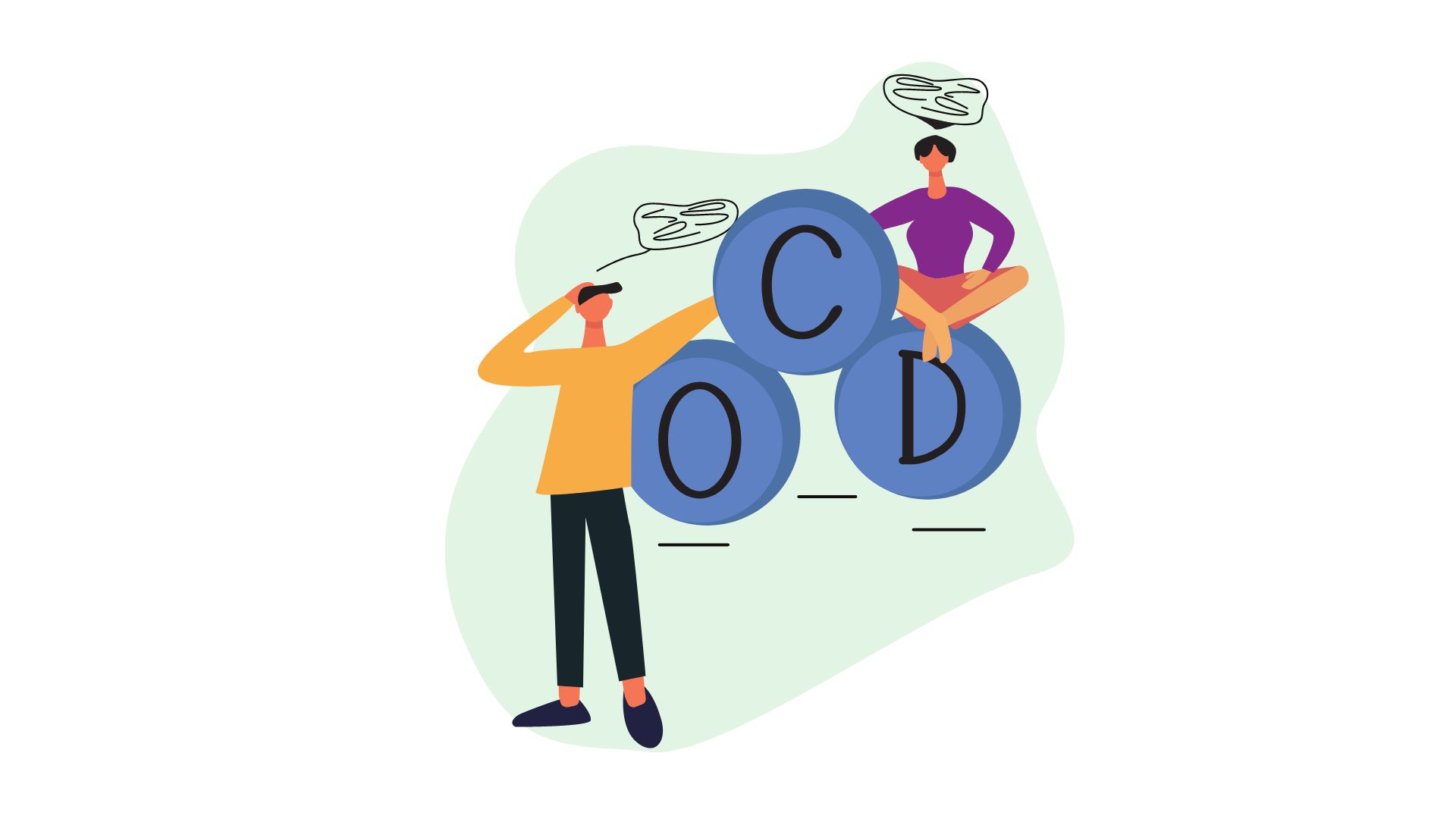
7 Things Teens with OCD Need to Know
Obsessive-compulsive disorder, more commonly called OCD, is a chronic mental health condition marked by intrusive thoughts and behavioral compulsions.
Here at NextStep2MentalHealth, our multidisciplinary team excel when it comes to diagnosing and treating OCD in teens. If you spot the signs of OCD in your teen, it’s never too early to receive professional help.
Here are seven facts that teens with OCD need to know.
1. OCD Is Common
According to the International OCD Foundation, there are about as many kids with OCD as there are with diabetes. That equates to about 20 teens in every medium-to-large high school who struggle with OCD. OCD is a type of anxiety disorder and can often occur with other anxiety disorders or depression.
2. Doubt and Guilt Are Two Hallmark Signs of OCD
TV shows and movies make it appear as though cleanliness is the only compulsion for people with OCD, but the reality is fear of germs or contamination is just one sub-type of OCD. Other sub-types of OCD include:
Doubt
Doubt is a driving force behind many of the compulsions to check and re-check. Doubt is defined as “doubting that you completed the activity even right after you completed it.” This can lead teens to constantly re-checking locks, homework, etc. Understandably, this can affect time management skills and even academic performance.
Guilt
Guilt is another excruciating aspect of OCD. People with OCD may feel guilty about anything, even if it had nothing to do with them. This can cause thoughts such as:
- “Did I offend John Doe?”
- “Did I inadvertently cause XYZ to occur?”
- “Am I a good person or a bad person?”
Other sub-types include counting, hoarding, contamination, false memory, and harm OCD.
3. Cognitive Behavioral Therapy (CBT) Can Help Treat OCD
Cognitive Behavioral Therapy (CBT) is considered to be a top form of treatment for anxiety disorders, and that includes OCD too.
4. The Goal of Treatment Helps You Learn the Tools to Manage Your Symptoms
Throughout your therapy sessions, you’ll continue to learn strategies and tools for managing the cycles of intrusive thoughts and compulsions.
Does your OCD need treatment? Read this blog: Does OCD Need Treatment?
5. Treatment Isn’t Completed Overnight
Often, when teens start treatment for OCD, one of their first questions is “how long does treatment take?” The short answer is: as long as is necessary for any given individual. Managing symptoms is an individualized process and can be impacted by your teen’s willingness to participate in therapy, the presence of any comorbidities, and how severe your teen’s symptoms are.
Understandably, long-term OCD can take a heavy toll on your teen’s quality of life. It may have been a long time since your teen socialized comfortably, held a summer job, or felt at ease doing daily chores. Some teens have never done these things without the obstacle of OCD.
6. Know the Signs of Relapse in Teens with OCD
As with many disorders, your teen may go for long periods with his or her symptoms well managed, but a relapse can knock them off track. Relapses are not uncommon with OCD.
Here at NextStep, our therapists know that the best way to deal with a relapse is to get ahead of it. We discuss relapse in our sessions and help you engage in as many relapse prevention strategies as possible.
That being said, if you or your teen notice any signs of a relapse, don’t hesitate to reach out. The quicker you seek help, the quicker you can get back on track.
7. OCD Can Be Managed
The most important fact to remember is that OCD can be managed. As with any anxiety disorder, lifestyle modifications help support mental wellness. This includes getting enough sleep, following a proper diet and exercise routine, engaging in positive social relationships, and engaging in hobbies or productive work of some type.
At NextStep2MentalHealth, we know how profoundly OCD can impact all aspects of your teen’s life, and if your teen is struggling now, you don’t have to wait until it gets worse before reaching out for help. Our compassionate, non-judgmental team offers a variety of OCD treatments, including medication and therapy.
If you have concerns about OCD, schedule an appointment at our Louisville, Kentucky office. Request an appointment online.
Learn More

8 Early Warning Signs of Postpartum Depression
Just like there are many different types of anxiety, there are also different types of depression. Postpartum depression is a type of depression that affects new mothers, and it can start anywhere from a few days to a year after the birth of a baby.
May 2 – 8 is Maternal Mental Health Awareness Week, so now is the perfect time to raise awareness of postpartum depression.
What Is Postpartum Depression?
Due to the immense shift in hormones (and the dramatic change in sleep schedules), baby blues are common for most new mothers. Approximately 80% of new moms have baby blues. Baby blues are characterized by crying, feelings of overwhelm, and sadness. However, baby blues typically dissipate a few days (or up to two weeks) after childbirth.
Postpartum depression is more severe than baby blues and doesn’t ease up as time progresses.
Watch the video below to learn more about the differences between baby blues and postpartum depression.
8 Signs of Postpartum Depression
Other signs of postpartum depression include:
- Your baby blues aren’t going away
- Feeling disconnected from your baby (or partner)
- Intrusive thoughts, such as checking repeatedly on your baby
- Intense crying
- Overwhelming feelings of anxiety
- Sadness
- Changes in eating or sleeping habits
- Thoughts of self-harm
If you notice any of these symptoms, don’t hesitate to reach out for help. Asking for help doesn’t mean that you’re not a good mother. Asking for help is one of the best things you can do for yourself and for your baby. Postpartum depression, and other maternal health disorders, aren’t a reflection of your mothering abilities.
Getting Help with Baby Blues and Postpartum Depression

Taking care of yourself is essential when you’ve just had a baby. Your body needs rest, hydration, and good nutrition. Although the first few weeks can be an adjustment, you can find help in many ways including asking a partner to watch the baby while you practice self-care, shower, eat, and rest. You can consider hiring a cleaning service for a few weeks to assist with household chores while you recover.
That being said, friends and family can help mitigate some of the feelings of overwhelm if you have baby blues, but if you have postpartum depression, you may also benefit from therapy and/or antidepressants. Here at NextStep2MentalHealth, our team is experienced at treating co-occurring disorders, and if you’re also struggling with postpartum anxiety, we can help.
Additional resources:
- BLOG: Overcoming the Negative Self-Talk Cycles of Depression
- BLOG: 11 Ways to Help a Loved One with Depression
- BLOG: 32 Ways to Help a Loved One with Depression (When They Don’t Want to Talk about It)
- Maternal Mental Health Leadership Alliance
- Postpartum Support International
National Suicide Prevention Hotline at 1-800-273-TALK (8255).
If you are looking for a trusted and experienced mental health doctor or therapist, contact us today to get started exploring your multidisciplinary postpartum depression and postpartum anxiety treatment options.
Learn More
6 Tips for Dealing with Return-to-Work Anxiety
5 Tips for Facing Your Return-to-Work Anxiety
These tips can help you manage your anxiety.
1. Feel your feelings about return-to-work anxiety
Acknowledging your feelings is the first step in facing your return-to-work anxiety. It’s normal and to be expected to feel a little anxious about any big changes like this. Remember that feeling some anxiety about big changes is normal. There are many tips for working through these feelings. You might find that journaling is helpful and talking with your therapist can help you manage these thoughts and feelings.
2. Plan ahead and reawaken old habits
While you can’t control everything regarding your return to work, there are some things you can plan. Planning what you can gives you a sense of control. For example, you may need to plan your lunches (brown bag lunches or meal prepped boxes, etc.) instead of eating at home.
Lay out your outfits or items you need for the next day, so your mornings are calmer and less rushed.
3. Find the silver linings
Although there is a lot of change happening right now, try to find the silver linings. Take a minute to reflect on your favorite parts of working at the office. Did you enjoy coffee breaks with a co-worker? Maybe you enjoyed your lunch time walks around the campus? Focus on anything that sparks joy. Remembering your favorite parts of your day at the office can help make your transition easier.
In addition to remembering your favorite elements of working in an office, make new traditions to tame return-to-work anxiety. Even little things, like buying a new lunch bag or making new habits (like listening to a fun podcast on the way to work) can help make your transition easier.
4. Be compassionate with yourself and others
Set realistic goals and expectations. It’s okay to not love returning to work right away. Be compassionate and easy on yourself as you go through this transition. Likewise, be compassionate with others who may also be experiencing similar feelings as you.
Believe in yourself. Develop your skill of self-confidence which can help ease anxieties.
“The secret to self-confidence is repetition, repetition, repetition.”
5. Practice mindfulness

6. Ask for help
Even with your best efforts, you might still need help managing your social anxiety, and that’s ok. Social anxiety, like all anxiety disorders, can be managed. If you are looking for a trusted and experienced mental health doctor or therapist, contact us today to get started exploring your multidisciplinary social anxiety treatment options.
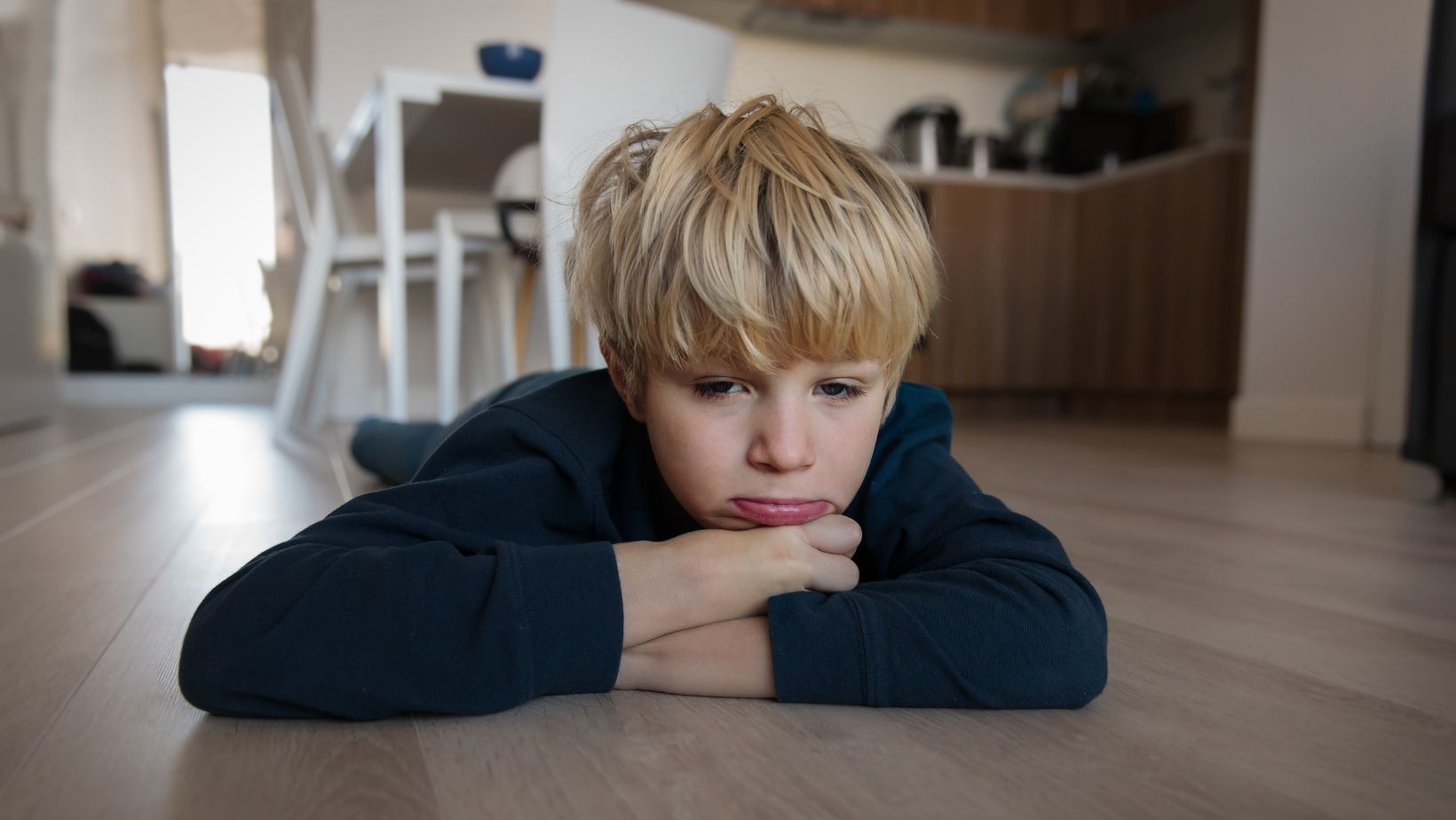
9 Surprising Ways Anxiety Shows Up in Kids
Anxiety in kids is like an iceberg: what you see is often just a fragment of what’s beneath the surface, and that’s especially true for children. While many parents might associate anxiety with intense worry (because that’s part of it), the reality is that anxiety can cause many different behavioral issues and feelings in children.
Below, we’ll take a look at nine surprising ways that anxiety can show up in kids.

1. Trouble Falling Asleep and Staying Asleep
Anxiety and sleep problems are connected in a vicious circle. Anxiety can contribute to sleep problems, and sleep problems can make anxiety worse. Difficulty falling asleep and/or staying asleep is a classic sign of anxiety in kids. For children with anxiety, an anxious train of thought can keep your little one awake long after bedtime. Some kids even have anxiety about waking up late, missing their alarm or school bus, feeling tired in the morning, or other school-related events.
Tip: Always practice good sleep hygiene and consider using warm-colored lights around bedtime.
2. Anger and Irritability
Anxiety in children happens when there is:
- A perceived threat (e.g., a school project or an upcoming date)
- An underestimation of coping skills (e.g., “I will never pass this math test.”).
The combination of perceived threats and underestimating coping skills leads to feelings of helplessness, and in many cases, helplessness leads to frustration, which leads to anger.
Interestingly, both anger and anxiety are activated in your amygdala. Your amygdala is the “threat center” of your brain. If your child’s brain perceives a threat (even if it’s overestimated), his or her amygdala activates the flight-or-fight response. This creates a flood of hormones designed to make you stronger and faster. While this helps us flee or fight against threats, it creates issues when the anxiety is chronic. The flight-or-fight response creates rapid heart rate, rapid breathing, and can make you feel on edge.
It’s possible that remaining in this state for a prolonged time can lead to irritability, agitation, and anger.
3. Defiance
A child with anxiety often feels like his or her life is out of their control. This can lead to your child trying to regain control in any way that he or she can. For example, this could explain a sudden outburst over a red jacket instead of the blue jacket.
4. Chandeliering
Chandeliering is “pushing the hurt down until one day it’s all unleashed at once in a fit of rage (shooting that person up to the chandelier). [Brené Brown]
Sometimes children try to hide anxious feelings, especially if they don’t know how to talk about it. Chandeliering happens when a child has a seemingly out-of-nowhere tantrum or outburst. It may seem out of place, but in reality, the child has been hiding anxious feelings until they all bubbled up over the top.
5. Lack of Focus
Inability to focus is often linked with ADHD, but ADHD isn’t the only mental health condition that can contribute to difficulty focusing. Children with anxiety can also struggle to focus both at home and at school.
6. Avoidance
“I don’t want to go.” Has your child ever said he or she didn’t want to go to school? Or maybe they suddenly don’t want to attend a sporting event? Avoidance can be another sign of anxiety. Avoidance can create bigger problems though. For example, if your child is trying to avoid schoolwork, the continual procrastination can create more trouble when all of the homework builds up. This can lead to even more anxiety about the sheer amount of catchup work.
7. Overplanning
Overplanning can show up as questions. For example, if your child is invited to a birthday party, he may plan what gift to bring, but he may also ask:
- Who else will be there?
- What will they do when they are at the party?
- What time will you be back to pick up him?
- What food will be served?
Overplanning is a coping mechanism to help ease anxiety, and it’s a way that your child tries to find control.
8. Negativity
Anxiety can create negative thoughts, including:
- I can’t do this
- I’ll never pass my history test
- I’m too shy to do this
- I’m not good enough for this
9. Change in Eating Habits
Is your child suddenly nibbling at their food? Anxiety can cause physical symptoms, such as upset stomach, headaches, etc. This can make your child lose his normal appetite.
Treating Anxiety in Kids
Anxiety disorders can be treated, and the right treatments can restore your child’s quality of life. Common treatments for pediatric anxiety include talk therapy, play therapy, counseling for the family, and in some cases, medication.
NextStep2MentalHealth provides pediatric mental health care, and our multidisciplinary team is dedicated to helping parents and their children with their mental health needs. Call us for an appointment or simply use our online scheduling tool.
Learn More
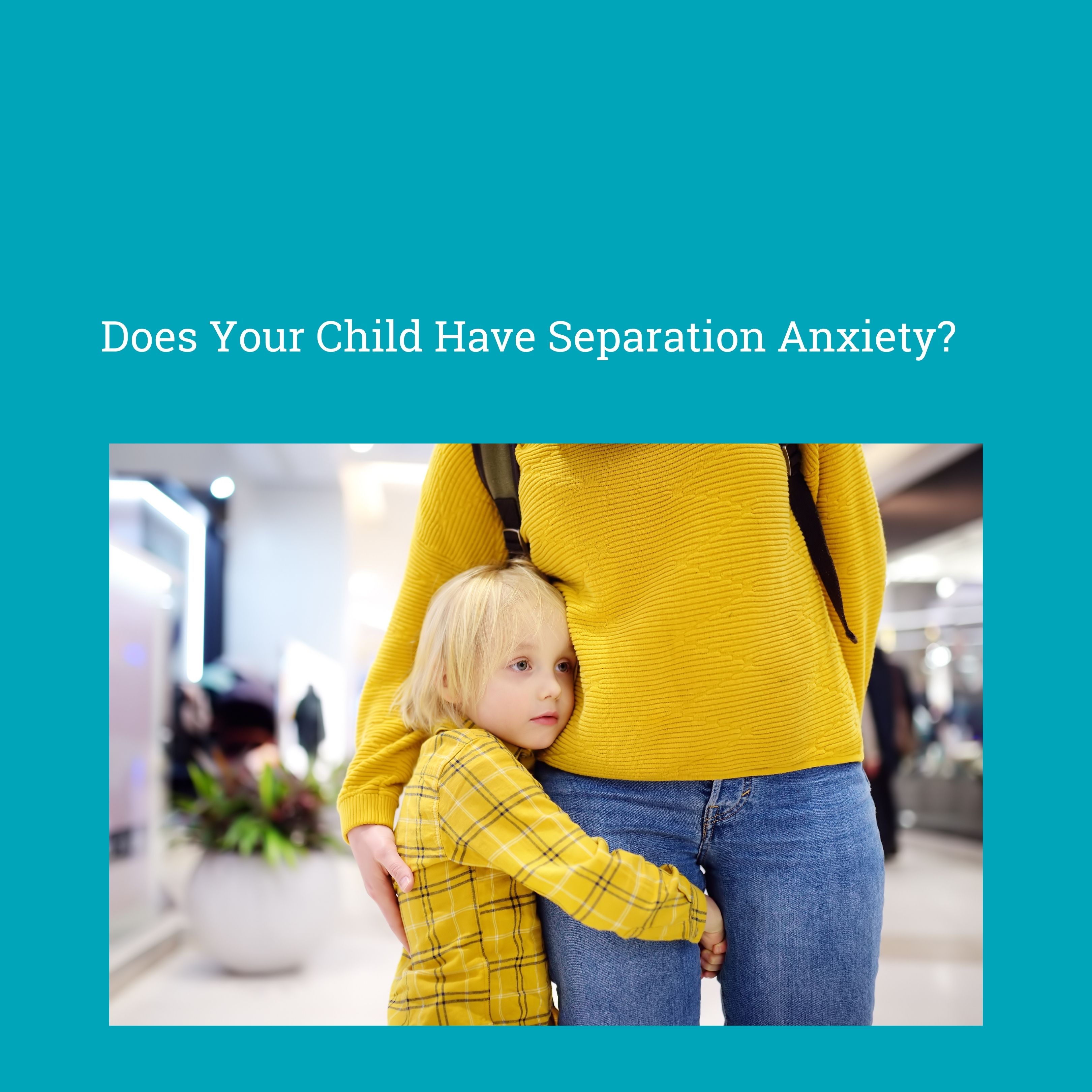
Does Your Child Have Separation Anxiety?
Separation anxiety tends to appear in infants around the age of 6-10 months. This is around the age when babies start to be more aware of their surroundings, and that includes when their parents are present — or not. Most toddlers outgrow this, but for some children with anxiety, separation anxiety can continue on well into the elementary school years.
In this blog, we explore the signs of separation anxiety and tips for helping your child feel better.
Signs Your Child Is Dealing with Separation Anxiety
 According to the DSM–IV–TR, separation anxiety is defined as:
“An anxiety disorder occurring in childhood or adolescence that is characterized by developmentally inappropriate, persistent, and excessive anxiety about separation from the home or from major attachment figures. Other features may include marked anticipatory anxiety over upcoming separation and persistent and excessive worry about harm coming to attachment figures or about major events that might lead to separation from them (e.g., getting lost).”
Red flags of separation anxiety in kids include:
- Refusing to go to school
- Fear of being alone
- Fear of going to bed alone (without you)
- Nightmares
- Physical symptoms, including vomiting, headaches, nausea, stomach pain)
In addition, the DSM–5 also notes that the symptoms must be present for at least 4 weeks in children before a diagnosis can be reached. Adults can also be diagnosed with separation anxiety, but their symptoms must be present for at least 6 months.
Top Tips on How to Ease Your Child’s Separation Anxiety
 Use transitional objects
Transitional items help your child feel safe because they are a symbol of you. Your child connects the object to you and can feel reassurance. Examples of transitional objects include:
- A locket with a picture of you or your family (certain sellers on Etsy can also engrave special messages on lockets)
- Favorite blanket (spritzed with calming essential oils for extra calm vibes)
- A stuffed toy (with a recording of your voice)
Older children may not like a soft blanket or stuffed toy, but hand-written notes, a shared sweatshirt, or a locket can be beneficial for older children.
Acknowledge your child’s fear but stay positive
It’s good to acknowledge your child’s fears, but it’s equally important to continue to talk in a positive, calm manner. If your child senses that you are worried/fearful, it can add to his or her fears. Children easily pick up your own emotions, and it can impact their reactions too. Let your child know what will happen when you are gone, whether that’s an out-of-town work trip, a regular day at the office, or a quick trip to the grocery store.
Create a short and sweet goodbye ritual
Whether you’re dropping off your child at daycare, school, or the sitter’s house, it’s important to say goodbye. Skipping out without a proper goodbye can compound your child’s fears. That being said, goodbyes that very long can also prolong the transition and the lingering anxiety.
The best solution is a short and sweet goodbye. Examples include:
- A special handshake
- Butterfly kisses
- A hug and a special phrase (example: I love to the moon and back)
The Bottom Line
While some anxiety is normal when saying goodbye, untreated separation anxiety (or another type of anxiety disorder) can impact your child’s ability to function at home or school. If you spot the signs of age-inappropriate clinginess, tantrums, withdrawal from family or friends, preoccupation with intense guilt, refusal to go to school, excessive fear of leaving the house, or stomach pains/nausea, your child might benefit from an anxiety evaluation.
The good news is that separation anxiety, like all anxiety disorders, can be treated. Common treatments for anxiety include talk therapy, play therapy, counseling for the family, and in some cases, medication. Your therapist can also recommend the right lifestyle changes (such as changing up your goodbye ritual or making a locket) that can help your child.
NextStep2MentalHealth provides adolescent (and adult) mental health care, and our multidisciplinary team is dedicated to helping parents and their children with their mental health needs. Call us for an appointment or simply use our online scheduling tool.
5 New Year’s Resolutions for 2022
Getting ready to celebrate the New Year? Are you making any New Year’s resolutions this year? New Year’s Resolutions don’t have to be out-of-reach goals. In fact, New Year’s Resolutions are the perfect opportunity to create some mental health goals for the upcoming year.
New Year’s Resolutions that Support Mental Wellness
Here are a few more goal-oriented resolutions that support mental health:
1. Add More Physical Activity to Each Day
Exercise is good for your body and your mind. It helps you sleep better at night (which is also good for your mental health), but it also reduces symptoms of anxiety and depression, according to recent studies.
Exercise — especially aerobic exercise — boosts your mood, reduces stress, reduces social withdrawal, and boosts your self-esteem. Examples of aerobic exercise include running, jogging, dancing, walking, hiking, swimming, and playing tennis.
Exercise-related goals don’t have to be intense workout regimens. You can sneak exercise into your day in many ways:
- Walking your dog an extra loop around the neighborhood
- Going to the local rec center and walking around the track while listening to podcasts
- Swimming with friends at a local YMCA
2. Practice Good Sleep Hygiene

It’s far too easy to stay up late watching another episode of your favorite show, but research shows that getting a reasonable amount of sleep each night can have many positive effects on your mental wellness.
Sleep hygiene tips include:
- Going to bed at the same time every night
- Avoid blue lights for 1-2 hours before bed (What’s a blue light? Find out here: Do Warm Lights Help You Sleep Better?)
- Sleep in a cool, dark room
- Spend some time in the sunshine each day as this helps reset your circadian rhythm
3. Pick Up a New Hobby
Hobbies — like knitting, reading, gardening, fishing — are good for your mental health, according to the Australian Government Health Department. You don’t have to be a pro to reap the rewards of a hobby. Just participating in a hobby can boost your self-confidence, promote feelings of relaxation, reduce stress levels, and improve your overall happiness.
Need a few ideas? Here are some common hobbies:
- Sports and exercise
- Fishing
- Gardening (indoor plants count too!)
- Music
- Drawing and painting
- Crafting, including knitting and crocheting
- Baking
- Reading
- Journaling
4. Spend Time in the Great Outdoors
Spending time in nature can also support your mental health. Just 20 minutes spent outside can make a big difference, according to the experts at Harvard.
Looking for activities to do outside? Check out this article to get a few ideas.
5. Seek Help When You Need It
This is perhaps the best resolution of all! Even with all of these resolutions, you might need a little extra support this year, and that’s okay! The best thing you can do for your mental health is to ask for help if you need it. As a multidisciplinary practice, we can support a variety of mental health conditions with therapy, medication, lifestyle changes, coaching, and more here at NextStep2MentalHealth. Our team of psychiatrists and therapist are here to help adults, teens, and children.
We’re just a call or click away. Call 502-339-2442 or send us a message to request more information.
Learn More
What Is Generalized Anxiety Disorder (GAD)?
Generalized anxiety disorder or GAD is a condition wherein a person displays an excessive, uncontrollable, and sometimes irrational worry about every day…
Learn More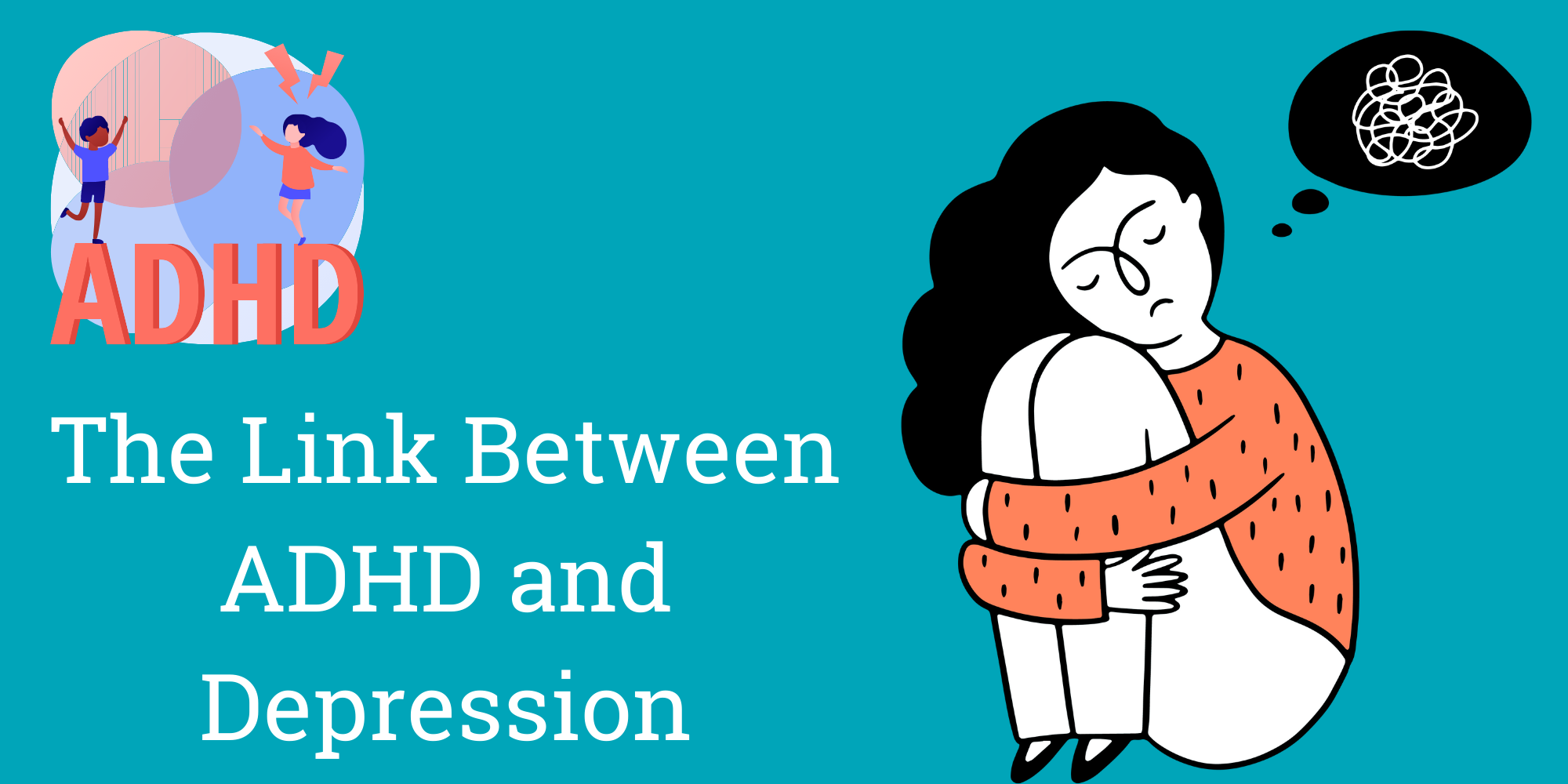
ADHD and Depression Connection
There are many types of depression: major depression, postpartum depression, bipolar depression, and seasonal affective disorder. Not only are there many types of depression, but depression can also occur at the same time as other mental health conditions. It’s very common for those with anxiety or ADHD to also have depression. This is called comorbidities.
Here at NextStep2MentalHealth, our multidisciplinary team of experts excel at diagnosing and treating comorbidities, including ADHD and depression.
In this article, we take a closer look at the ADHD and depression connection.
The ADHD and Depression Connection
Here are a few quick facts from the video:
- 30% of those with ADHD experience depressive episodes
- Dopamine is responsible for reward systems, mood, and those with ADHD may not have access to as much dopamine
- This leads to the potential feeling like “you’re running on half a tank”
- Those with ADHD may struggle more with emotional dysregulation, which means it can take longer to soothe after difficult emotions
Dopamine is a type of neurotransmitter, and it’s often called the “feel good” hormone. Your body makes it, and your nervous system uses it to send messages between nerve cells. Low levels of dopamine may contribute to feelings of depression.
Do You Have Depression?
If you have ADHD, you might also suspect you have depression if you can’t shake intense sad feelings, notice changes to your eating and sleeping routine, feel worthless or guilt, and lose passion for your favorite hobbies.
You can learn more about depression in these resources:
- How Untreated Depression Can Impact Your Health
- Teen Depression: What to Look For and How to Help
- 32 Ways to Help Someone with Depression (When They Don’t Want to Talk About It)
- 8 Risk Factors for Depression
- Do You Have Depression or Seasonal Affective Disorder?
- Overcoming the Negative Self-Talk Cycles of Depression
- 6 Uncommonly Thought Of Depression Symptoms That Shouldn’t Go Unnoticed
Treating ADHD and Depression

If you have both ADHD and depression, you need treatment that addresses the complexities of each condition. For example, you may benefit from strategies that promote emotional regulation. Other treatments for both ADHD and depression include:
- Medication (depression and ADHD both benefit from different types of medication)
- Lifestyle modifications, including regular exercise, good sleep hygiene, eating a balanced diet, and practicing stress management techniques
- Therapy
What to Do If You Think You Have Depression
With the right treatment, you can manage the symptoms of both of these conditions. Here at NextStep2MentalHealth, our team of experienced providers is skilled at diagnosing and treating many types of depression, including major depression, seasonal depression, and postpartum depression as well as adult and child ADHD.
If you’d like to make an appointment with our compassionate and knowledgeable providers, click here to make a telehealth or in-person appointment in our Louisville, Kentucky office. You can also call us at 502-339-2442.
Learn More
10 Signs of Hypomania
Individuals with bipolar 1 disorder may experience mania, while individuals diagnosed with bipolar 2 disorder are more likely to experience hypomania. Hypomania is typically more mild than mania and doesn’t last as long as manic episodes.
Both hypomania and mania are periods of excited behavior that can have a significant impact on your daily life. If you suspect you have hypomania or mania, our multidisciplinary team encourages you to reach out to us for a bipolar evaluation.
In the meantime, let’s take a look at what hypomania is and how it’s treated.
10 Signs of a Hypomanic Episode
1. Extremely talkative
While some people are naturally more talkative than others (which is normal and okay!), a sudden shift to being more talkative than normal (whatever is normal for you) can be a sign of hypomania. This includes:
- Not being able to listen to others or letting others talk because you’re talking
- Talking very rapidly
- Talking very loudly
- Jumping from topic to topic
2. Elation or giddiness
It’s normal to experience highs and lows throughout your day, but a sudden giddiness (without any clear cause) can be related to hypomania. These moods are marked by feelings of elation and euphoria and increased energy levels.
3. Irritability
While elation and giddiness are linked to hypomania, the flip side is also true: you may see a marked increase in irritability. This includes:
- Being argumentative
- Being easily agitated
- Feeling easily irritated by everything
- Rapid mood swings
- “Rage” attacks
- Children in a hypomania episode may swing quickly from irritation to elation.
4. Decreased need for sleep
Manic episodes are often marked by periods of extreme energy. During a manic episode, you might not feel the need to sleep, or you may get by with very little sleep. Hypomania is also marked by a decreased need for sleep and lots of energy.
5. Racing thoughts
Racing thoughts can cause you to shift quickly from one topic to the next. Some people describe this as a swirl of thoughts in which your words can’t keep up with your thoughts.
6. Grandiosity
Grandiosity is a symptom experienced during both manic and hypomanic episodes. People experiencing grandiose delusions often describe larger-than-life feelings. This can include feeling invincible, superior, or invulnerable.
7. High energy
Even without adequate sleep, hypomania can lead to high energy.
8. Distractibility
Can’t focus? Easily distracted? These can be signs of many mental health conditions, including anxiety, ADHD, and bipolar disorder. A proper diagnosis ensures you get the right treatment, so don’t hesitate to share all of your symptoms, including distractibility.
9. Impulsivity
Along with racing thoughts and high energy comes impulsivity.
10. Increased goal-directed activity
Have you started multiple projects? This could be a sign of increased goal-directed activity. When paired with excess energy and little sleep, you could get swept up in the whirlwind.
Are You Dealing with Hypomania or Mania?

Bipolar Treatment in Louisville, Kentucky
Because bipolar disorder can profoundly impact your life, it’s essential to work with a compassionate and experienced provider who understands the complexities of this disorder. At Next Step 2 Mental Health, we know that living with bipolar can be challenging, but the right treatment can help.
Treatments include:
- Medication
- Psychotherapy
- Therapy
If you or a loved one are experiencing any of the signs of Bipolar Disorder – or need help managing Bipolar Disorder — we can help you take your next steps. Call our office today at 502-339-2442, or book an appointment online.
Learn More