Seasonal Marketing and Social Media: Navigating the Perfect Storm for Fall Anxiety
Is the thought of the upcoming holidays (and all of the marketing associated with them) leaving you less-than-thrilled? Does seasonal marketing already trigger feelings of anxiety? Read on as Dr. Briscoe shares tips for navigating seasonal marketing and social media “perfection” during this holiday season.
You know it’s fall when, in one aisle of the store, you’re picking out Halloween candy and, in the next, you’re greeted with Rudolph the Red-Nosed Reindeer singing Christmas carols. Seriously, didn’t we just pack away the sun hats and beach towels?
Now, amidst the cooling breezes of October, marketers are nudging (read: shoving) us into a festive frenzy. First, we’re urged to plan our spookiest Halloween shenanigans, only to turn a corner and be told to prep our turkeys for Thanksgiving. And let’s not forget the mountains of tinsel and ornaments nudging us towards Christmas before the trick-or-treaters even knock on our door. Can we just breathe and enjoy one holiday at a time?
It’s all good fun until we start feeling the pressure. The media’s whirlwind portrayal of ‘perfect’ holidays can leave us feeling like we’re racing against an impossible standard. Those perfectly curated Facebook photos of our friends’ fall festivities? I promise, behind every flawlessly carved pumpkin is a kitchen that looks like it’s been through a pumpkin apocalypse.
The constant bombardment of early holiday marketing, paired with the social media myth of everyone ‘having it all together,’ can exacerbate anxiety. Generalized Anxiety Disorder (GAD) isn’t just occasional stress; it’s a persistent, excessive worry about a variety of things. It can be debilitating. And when the world around us insists we should be orchestrating the perfect fall, it can feel like we’re perpetually falling short.
However, it’s essential to remember that it’s okay not to be okay.
Learn More About Anxiety
You can read more about anxiety in the following articles:
- 9 Surprising Ways Anxiety Shows Uup In Kids
- Depression and Anxiety in Teens
- Seasonal Affective Disorder
- 7 Ways to Manage Social Anxiety
More about Dr. Briscoe

Brian Briscoe, MD, is a board-certified psychiatrist with over a decade of private practice experience. Dr. Briscoe founded the practice in 2011 which grew into a multidisciplinary group, Next Step 2 Mental Health, in Louisville, Kentucky. Dr. Briscoe provides compassionate and nonjudgmental care to adults of all ages.
You can read his full bio here.
Need Help Managing Anxiety?
To make an appointment with Dr. Briscoe, click here.
Learn More
How Teens Can Deal with Back-to-School Anxiety
An upset stomach. Nightmares. Unrelenting desire to avoid school. Difficulty sleeping. These are all examples of how anxiety can manifest in teens. Sometimes, these signs of anxiety are mistaken for symptoms of another condition. For example, you might think that your stomachache was caused by something you ate. The truth, though, is that anxiety can be hidden in plain sight, and as we enter back-to-school season, you might start to see the signs of back-to-school anxiety.
Whether you’re starting your final year of junior high or starting your first year of college as an 18-year-old, anxiety can flare up during the back-to-school season. In this article, we share tips and strategies for reducing anxious feelings during the school year.
1. Practice Deep Breathing Exercise
When people (teens or otherwise) feel anxious, they may subconsciously take shallow, quick breaths. These chest breaths can increase heart rate, muscle tension, and even contribute to dizziness. Taking slow, deep breaths can help you shift from chest breathing to abdominal breathing. When teens slow down their breathing, it helps to shift out of flight or fight mode so their body can relax. Isn’t science cool?! Slow, deep breaths — that’s the key!
You can do square breathing or triangle breathing, or you can follow along with guided meditations. The following videos are cute ways to introduce the idea of deep belly breathing to young children.
2. Spend Time in Nature
Nature is healing, and it can do wonders for easing anxious thoughts. Sometimes teens benefit from simply changing up the scenery. You might even considering doing some homework outside after school if the weather allows for it. As you breathe in the fresh air, feel the breeze rustle your hair, or listen to the birds chirp, your thoughts are gently calmed.
This is a great opportunity to practice a grounding technique. Monica Clark, LPA, explains this technique:
If you find yourself beginning to lose focus, ground yourself in the moment. One effective grounding technique is the 5-4-3-2-1 Game. In this technique, you ground yourself in the physical environment by naming:
- 5 things you can see
- 4 things you can hear
- 3 things you can feel against your skin
- 2 things you can smell
- 1 thing you can taste
Describe the smells, find green leaves, describe the texture of a pebble.
3. Talk about What Anxiety Is
“Anxiety is often regarded as something that is bad and should be eradicated completely. However, anxiety by itself isn’t necessarily bad. Anxiety is actually an emotion that helps us take care of dangerous situations — and respond to those situations. If we are aware of a potentially dangerous situation, we can avoid harm,” says Dr. Dan Guy.
In other words, worry and fear is designed to help us avoid potentially dangerous situations. For example, a stray dog charging at your may instill fear, and it’s that fear that ignites flight or fight mode — so you can take flight to safety. Problems arise when anxiety and fear is triggered outside of dangerous situations — like feeling physically anxious even if there isn’t a dog nearby.
It’s tempting to remove all anxiety triggers because we don’t want to be unhappy, but the goal is to help manage anxiety because experiencing some degree of anxiety is part of what it means to be human. For example, if you feel anxious about this school year, you may ask to skip a day of school. While skipping a day of school might temporarily ease your mind, it won’t be helpful in the long-term nor will it help you manage anxiety. Instead, it’s more helpful to learn how to manage anxiety.
4. Exercise More
Exercise is good for your body and mind — and that’s true for teens too. The above video depicts an easy at-home workout that you can perform after school without any equipment needed! But that’s not the only option. Other good-for-the-brain exercises include:
- Hiking
- Playing sports like soccer or basketball (even if it’s in your backyard)
- Rollerblading
- Biking
- Dancing
- Jump rope
Walking around the block is a good option too!
5. Focus on Good Nutrition
Good nutrition impacts your mental health too! In fact, there are plenty of tasty brain-healthy foods, such as:
- Salmon
- Yogurt
- Turmeric
Not all teens enjoy salmon, but a yogurt-lemon-dill sauce may make the salmon more appetizing for those who aren’t used to eating it. You can also make salmon loaf, which eliminates the fish texture that you might not like.
TIP: If you have a stomachache caused by anxious thoughts, you may not feel like eating. If that’s the cause, try more bland foods (like chicken noodle soup) or a warm cup of chamomile tea.
6. Read a Book
Teens can learn important life lessons through reading — plus, reading is a good relaxing activity! Review this list of books via NowPysch, and you might discover some great books for teens with anxiety.
7. Create a Safe Space
If you are feeling overwhelmed, you may benefit from a cozy place to unwind after school. From fidget spinners to books to coloring books, this can be a great way for teens to process all of their thoughts after school — rather than jumping right into homework or chores.
8. Ask for Individual Accommodations
For some teens, accommodations at school can make all the difference when it comes to anxiety. For example, if a student struggles with performance anxiety, he or she may not do well when taking tests. Some students benefit from individual accommodations such as extended time on tests. For other accommodations for kids who struggle with anxiety, check out this list from The Children’s and Adult Center for OCD and Anxiety.
9. Practice Good Sleep Hygiene
Poor sleep and anxiety often go hand-in-hand. Anxious thoughts can make it difficult to sleep, and poor sleep can exacerbate the symptoms of anxiety. Help your child practice good sleep hygiene, including:
- Going to bed at the same time every night
- Using warm-colored lights during his or her bedtime routine
- Sleeping in a cool, dark room
10. Go Over New Changes
Reduce back-to-school anxiety by going over any new changes with your parent or teacher. Maybe you feel unsure about the new rules at school. Sometimes just a quick refresher on what’s expected can go a long way in feeling confident about the new school year.
11. Reach Out to Us
The good news about anxiety is that it can be treated with therapy, medication, and lifestyle changes. With the right support and strategies, most teens are able to develop strategies that help them manage their anxiety both in the classroom and at home.
Here at Next Step 2 Mental Health, we provide comprehensive mental health care for children (and teens too!). Whether you are just now experiencing anxiety for the first time, or is seeing a resurgence in symptoms, we can help you get the relief you deserve. Call 502-339-2442 or send us a message to request more information.
Learn More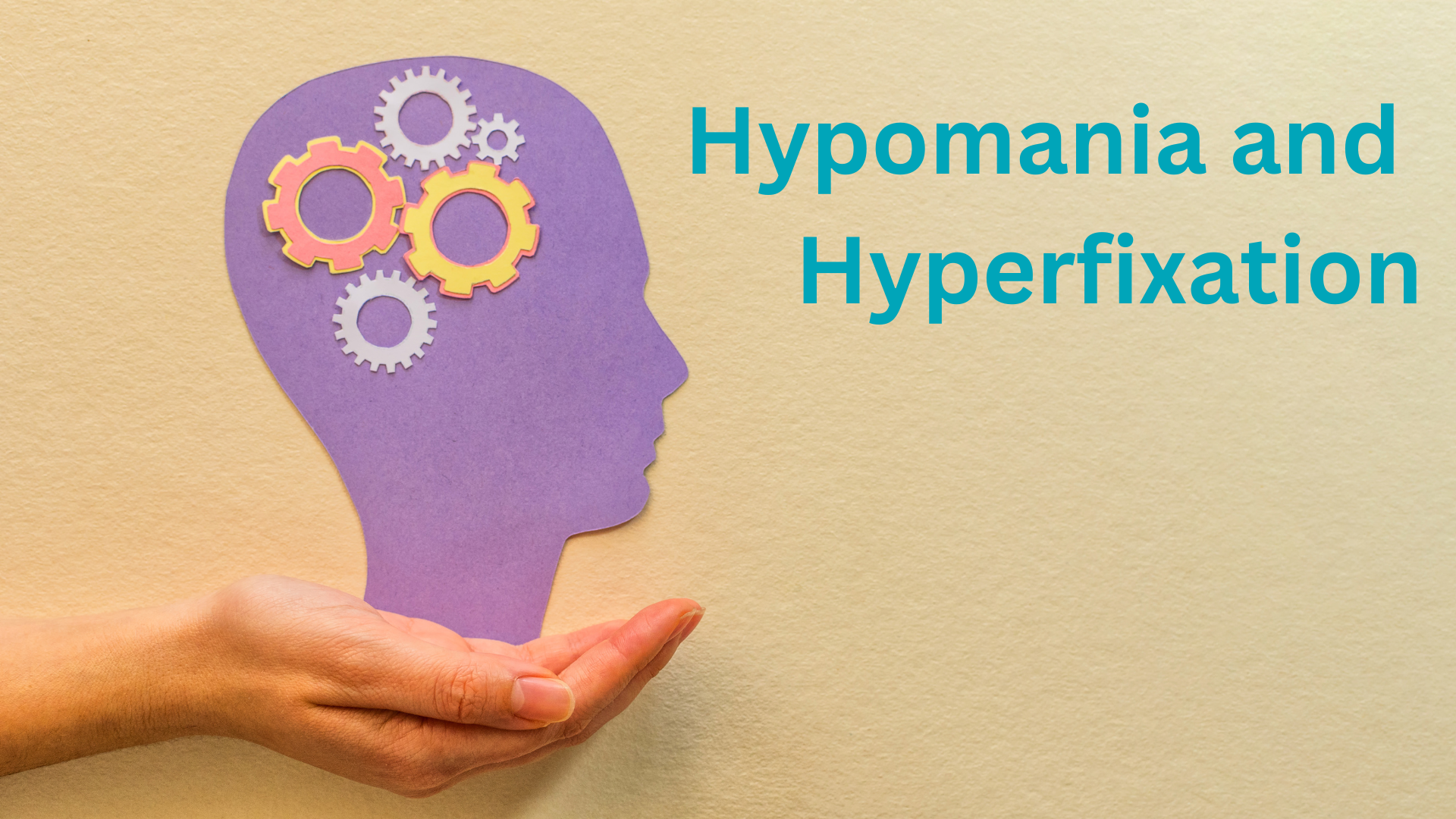
Hypomania and Hyperfixation: What’s the Difference?
Mental health conditions can manifest in various ways, and two related concepts that often come up in discussions about mental health are hyperfixation and hypomania. Hyperfixation is an intense preoccupation with a particular object, activity, or topic, while hypomania is a state of elevated mood and energy that is less severe than full-blown mania.
While both hyperfixation and hypomania can have a significant impact on a person’s life, they are distinct phenomena that are associated with different underlying conditions.
In this blog post, we will explore the similarities and differences between hyperfixation and hypomania, as well as their respective causes, symptoms, and treatments. Whether you or someone you know is struggling with hyperfixation or hypomania, understanding these concepts is an important step in seeking the right help and support for optimal mental health.
Are Hyperfixation and Hypomania the Same Thing?
No, they are not.
Hypomania is a specific syndrome that occurs in patients with bipolar disorder and is characterized by a period of at least four consecutive days during which a person experiences persistently elevated, expansive, or irritable mood and abnormally and persistently increased activity or energy.
Hyperfixation is a phenomenon that can occur in various mental health conditions. For instance, people with OCD can become hyperfixated on a specific obsession, individuals with generalized anxiety disorder may become hyperfixated on worries about the future, and those with PTSD or complex trauma can become hyperfixated on intrusive memories from the past.
Additionally, people with ADHD may become hyperfixated on projects they are highly interested in, while individuals with severe mental illnesses such as psychosis may become hyperfixated on a specific delusion.
In other words, it is clear that hyperfixation and hypomania are not the same thing.
Similarities between Hyperfixation and Hypomania
Hyperfixation and hypomania share some similarities in that they both involve a heightened state of focus and energy. In both cases, a person may feel driven to pursue a particular interest or activity, often to the point of neglecting other responsibilities or obligations.
Differences between Hyperfixation and Hypomania
However, there are also important differences between the two. Hyperfixation is not necessarily accompanied by changes in mood or energy level, whereas hypomania is a distinct state of elevated mood and activity. Hypomania is also a symptom of bipolar disorder, whereas hyperfixation may be seen in a range of conditions, including ADHD or Obsessive-Compulsive Disorder (OCD).
It is important to note that while hyperfixation may be a symptom of certain conditions, it is not itself a medical diagnosis. Hypomania, on the other hand, is a clinical syndrome that requires immediate evaluation and treatment by a mental health professional.
Hyperfixation refers to a strong and intense fixation on a particular object, activity, or topic, to the point where it becomes difficult to focus on anything else. Hypomania, on the other hand, is a symptom of bipolar disorder and refers to a state of elevated mood, energy, and activity that is less severe than full-blown mania. People experiencing hypomania may feel overly confident, euphoric, and impulsive, and may engage in reckless behavior, such as overspending, gambling, or sexual promiscuity.
How Are They Treated?
If you notice signs of hypomania or hyperfixation in yourself or someone you know, it is important to seek professional help. Here at NextStep2MentalHealth, our multidisciplinary team can assess the situation, provide an accurate diagnosis, and recommend an appropriate course of treatment.
For hypomania, treatment may include medication, therapy, or a combination of both. The specific treatment plan will depend on the severity of the symptoms, the underlying cause, and other individual factors. It is important to note that hypomania can escalate into full-blown mania if left untreated, which can have serious consequences on a person’s life and well-being.
For hyperfixation, treatment will depend on the underlying condition. For example, if hyperfixation is a symptom of ADHD, treatment may involve lifestyle modifications, therapy, medication, or a combination of both to help manage symptoms and improve daily functioning. If hyperfixation is a symptom of OCD, treatment may involve exposure and response prevention therapy, medication, or a combination of both.
It is crucial to seek help as soon as possible if you or someone you know is experiencing symptoms of hypomania or hyperfixation. Early intervention can lead to more effective treatment outcomes and a better quality of life.
We’re Here for You
If you are struggling with any sort of mental health issues — whether that’s signs of hyperfixation or signs of hypomania, seeking help from a mental health professional can make a significant difference in your life. Here at NextStep2MentalHealth, we understand that seeking help can be challenging, but we are here to support you every step of the way.
Our experienced mental health professionals provide a safe and supportive environment for you to explore your thoughts and feelings, develop coping strategies, and work towards your mental health goals. Don’t hesitate to reach out to us for help – we are here for you. Schedule your appointment here.
Learn More
Preparing for Telehealth: What Parents Need to Know
As parents, you’ve no doubt taken your child to dentist appointments, eye doctor appointments, and annual physical exams. These routine visits are similar: arrive at the office, fill out paperwork, wait in the lobby until your name is called. But what about preparing for telehealth?
But what happens when your appointments are virtual? What do parents need to know?
Here at NextStep2MentalHealth, our multidisciplinary team is proud to offer a variety of mental health services through telehealth – and not just for adults. Children and teens can benefit from virtual care.
Below, we share five tips that parents can use to get their children ready for a virtual session.
5 Tips to Remember When Preparing for Telehealth
If your teen already uses video calling apps like FaceTime, Zoom, Google Hangouts, or Skype, then he or she already has a good idea of what a telehealth session is like. For younger children — especially those who don’t use much technology — a virtual appointment can be intimidating. Setting aside the technology, some children may feel a little nervous before an appointment, especially if they’re meeting a new provider for the first time. They may wonder what happens in therapy or what happens during an evaluation.
If your child is scheduled for an upcoming virtual appointment, it’s a good idea to prepare your child ahead of time — especially if it’s their first time experiencing therapy or an evaluation.
1. Know what type of session your child is having

At Next Step 2 Mental Health, your child can receive a variety of services remotely. This includes therapy, coaching, new patient appointments, and more.
When you know what type of service your child is receiving, it’s easier to answer their questions.
Reminder: Virtual sessions are only for non-life-threatening visits. If your child is experiencing a mental health emergency, call 9-1-1 or head to the nearest emergency room. You may also use the new 24/7 crisis hotline by calling 988 for those in crisis.
2. Gather important information before the session starts
Before your appointment begins, make sure you have:
- A list of your children’s current medications
- Your child’s medical history, including allergies, weight, and any previous diagnoses
- A list of questions that your child has (if any)
- A list of questions that you have (if any)
Depending on what type of session your child is having, you might want to write down a list of concerning symptoms that you want to address. Be prepared to answer a variety of questions, including how the symptoms have been occurring, when the symptoms are most severe, and any other related details.
3. Find the perfect location

This is one of the most important steps to having a successful telehealth session. The ideal location is quiet, well-lit, and free from distractions. Consider setting up on the dining room table or in a den. The camera should be at eye-level for your child.
If you have pets or other children, make sure they are situated elsewhere so you can focus on the session too.
It’s also important that no other children or family members can listen in during your child’s session. It’s important your child has privacy during their call.
4. Start with an introduction
You might have a telehealth session with a therapist or pediatrician that you’ve seen dozens of times. But if your child is seeing a new provider, you’ll start with introductions. Let your child know ahead of time if he’ll be meeting a new doctor so he can prepare mentally for the meeting. During the meeting, one of our providers will start by sharing his or her name and title. At this time, encourage your child to introduce himself too! After your child introduces himself, you’ll be asked to confirm a few details too. You’ll already have completed a treatment consent form, but you’ll still confirm your child’s name, date of birth, etc.
Tip: If your child is nervous (which is normal!), practice introductions beforehand!
5. Know your next steps
Before your child’s virtual appointment comes to an end, make sure that you understand the provider’s diagnosis, instructions, and/or advice.
Tip: Keep a piece of paper or notepad nearby so you can take notes during the session, if needed. Don’t hesitate to ask for clarification! We want to make sure your session is valuable and helpful.
Questions? We’re Just a Call or Click Away
At NextStep2MentalHealth, we’re happy to provide comprehensive psychiatric care and therapy for your children. Whether your child has anxiety, depression, or ADHD, we don’t want him or her to miss out on valuable sessions, and we are here to make sure your telehealth experience is successful.
Questions about preparing for telehealth? We’re just a call or click away. Give our Louisville, Kentucky mental health clinic a call at 502-907-5908 or request an appointment here.
Learn More
Boost Your Mental Health with These At-Home Activities
Whether you’re stuck at home quarantining after a COVID exposure or you’re simply settling in for a weekend at home, it’s always good to have a list of at-home activities that boost your mental health.
In this blog, we’ve curated a list of at-home activities that support your mental wellness.

Reading
Reading provides many benefits.
“Reading can even relax your body by lowering your heart rate and easing the tension in your muscles. A 2009 study at the University of Sussex found that reading can reduce stress by up to 68%.” (NAMI California)
Reading also provides a healthy escape from life’s daily stress. Unwind after a busy day with your favorite story or favorite characters. Reading also boosts empathy and understanding.
Need inspiration: Explore GoodRead’s list of relaxing books
Reading can be particularly helpful for individuals struggling with hard or sensitive issues. According to NAMI California, reading about similar situations can help teens work through tough challenges, including issues with bullying.
While reading your favorite fictional story can help you relax, there is also merit in reading non-fiction books, including those about particular mental health conditions.
Need inspiration: Read the top 13 mental health books of 2022
Gardening
Just because you’re at home doesn’t mean you can’t go outside! Spending time outside boosts your mood (and serves up a nice dose of vitamin D), but you can further support mental wellness by gardening. Gardening:
- Boosts your mood
- Boosts your self-esteem
- Improves your attention span
- Provides a good workout (and exercise helps alleviate symptoms of many different mental health conditions)
- Encourages social interaction
Get more gardening tips here.
Music & Family Time
Both listening to music and spending time with friends and family can support mental wellness. So why not combine both of these elements? You can:
- Watch a concert on TV
- Play your favorite music
- Set up an at-home karaoke session
- Play musical chairs (if you have little children at home who would like to play)
- Play music while you make dinner or while you eat
- Write a song to express yourself
Music can reduce your stress and lift your mood.
Movies
Granted, not all movies support mental wellness. That being said, watching certain movies can have a positive effect on your mental health.
Watching a funny movie can make you laugh and laughing releases feel-good endorphins.
But what about sad movies?
“Similar to laughter, crying could activate the release of endorphins, according to a 2016 study. Dramatic movies could increase feelings of gratitude and reduce feelings of isolation. They could also act as a reminder that everyone experiences struggles of their own and invite viewers to reflect on their own problems.” (PsychCentral)
Games
Games, especially strategy games, can boost your mood, improve working memory, and support emotional regulation. Playing board games can be a good opportunity to talk and bond with children and teens — especially if they have a hard time opening up.
Getting the Help You Need
Reading, listening to music, reading, spending time with family, and playing games are all good wholesome activities that support your mental wellness, but sometimes you just need more support. Here at NextStep2MentalHealth, our multidisciplinary team provides comprehensive care for anxiety, depression, bipolar disorder, OCD, PTSD, and more. Whether you need therapy, coaching, or medication management, we can help you get the comprehensive treatment you need.
To get started, schedule an appointment today.
Learn More
Social Anxiety in a Post-Pandemic World
Warning Signs that Your Social Anxiety Is Spiraling Out of Control
How do you know if your social anxiety is being exacerbated by the return to “normal”? Below are four signs that should be aware of:
Are you:
- Experiencing an increase in the intensity of fear?
- Experiencing a sense of dread or doom?
- Canceling or avoiding in-person events? (including work and social commitments)
- Noticing an increase in physical symptoms such as stomach distress, shaking, heart palpitations, panic attacks, or blushing?
5 Ways to Support Your Partner with Social Anxiety Disorder
If you’re spouse or partner is struggling with social anxiety disorder, you might wonder how you can best support him or her during this time of transition. Below are five tips to support and encourage your partner.
1. Offer encouragement.
Offer encouragement and support, but learn about the right kind of encouragement to offer that neither accommodates (i.e., enables) the self-isolation nor criticizes the partner for their behaviors. You may benefit from support groups or from talking to your spouse’s therapist — we’ll cover this more in the next tip.
2. Encourage professional support.
“The good news is that social anxiety is treatable. Medication and specialized forms of therapy such as Cognitive Behavioral Therapy and Exposure and Response Prevention have been shown to be extremely helpful in reducing, and sometimes eliminating social anxiety,” Dr. Briscoe reminds us.
Consider this: Setup an appointment to visit with your partner’s specialized social anxiety therapist to discuss how you can support the work that your partner and therapist are engaged in. Therapists providing CBT with persons with social anxiety are generally very happy to involve loved ones in their clients’ care, and provide some very helpful recommendations for you to assist and support the process of healing.
A board-certified psychiatrist should be able to recommend and direct you to a therapist or psychologist in your local community with experience and expertise in treating social anxiety, and provide medication to help alleviate symptoms if necessary.
3. Seek out a support group for yourself.
You might also consider finding a support group dedicated to spouses of individuals with social anxiety. You can find support groups for individuals or spouses of individuals with social anxiety.
4. Seek to learn everything you possibly can about social anxiety disorder.
Here are a few reputable resources:
- National Alliance on Mental Health – Provides some excellent recommendations for family members/partners of persons struggling with all types of anxiety disorders. You can also learn what to do and what not to do.
- National Institute of Health – General information/education on social anxiety.
- National Alliance on Mental Health (support) – Source of support for family members/partners of persons struggling with social anxiety and other anxiety disorders. Potential resource for support groups for family members/partners.
What to Do If You Notice the Symptoms of Social Anxiety

The signs and symptoms of social anxiety vary from person to person, but in general, symptoms include:
- Staying away from or avoiding places where there are a lot of other people
- Finding it difficult to spend time around other people, especially if you don’t already know them
- Feeling very self-conscious in front of others, to the point that it can impact your social and personal relationships
- Feeling embarrassed easily
- Physical symptoms including blushing, sweating, rapid heart beat, trembling and shaking
- Feeling nauseous
Note that these symptoms may increase when engaged in social settings such as giving a presentation at work, talking to coworkers, attending social events, meetings, etc. If you notice any of these signs and are struggling to overcome them, it may be a good time to seek professional help.
Explore Your Next Steps
Untreated social anxiety can make it difficult to perform well (or comfortably) at work or in social settings. However, treatment can help you feel more comfortable. At NextStep 2 Mental Health, we know that the pandemic can profoundly impact your mental health. We provide comprehensive social anxiety treatment — pandemic or not. Whether you’ve already been diagnosed or you are just now starting to see the signs, we can help you feel better. Give us a call at our Louisville, Kentucky office at 502-339-2442, or send us a message to request more information.
You can also request an appointment with our convenient scheduling tool here.
About Dr. Briscoe
 Dr. Brian Briscoe is a board-certified psychiatrist and the medical director of adult programs. Dr. Briscoe was voted a “Top Doctor” by Louisville Magazine. You can make an appointment with Dr. Briscoe here .
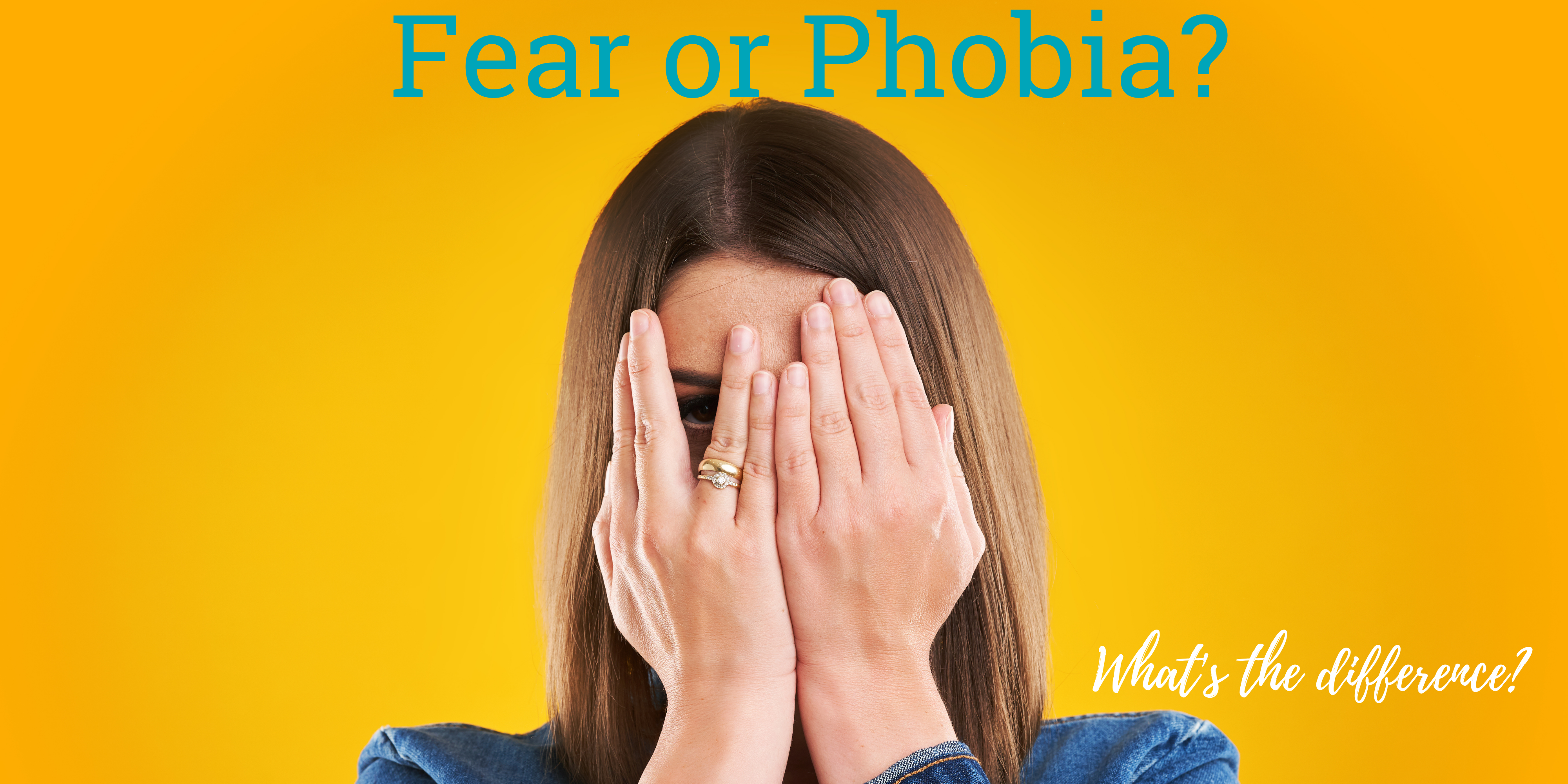
Fear and Phobia: What’s the Difference?
A phobia is an aberrant or extreme fear of something. In some cases, the fear is so intense that it interrupts normal activities.
Learn More
9 New Year’s Resolutions that Put Your Mental Health First
2021 is right around the corner … finally! Are you making resolutions this year? Here are nine New Year’s Resolutions that put your mental health first.
Catch Your Zzz’s
It’s no secret that getting enough sleep supports your physical well-being, but it also affects your mental health too. Insufficient sleep can increase your risk of a number of unfavorable conditions, including heart disease, type 2 diabetes, and depression. Some psychiatric conditions (including bipolar disorder, anxiety disorders, and depression) can cause sleep problems. In addition, insufficient sleep can even exacerbate the symptoms of many mental conditions including depression, anxiety disorders, and bipolar disorder.
So how much sleep do you need? It depends on your age. The National Sleep Foundation suggests the following:
| Your Age | Recommended Hours of Sleep from the NSF | |
|---|---|---|
| Newborn | 0–3 months | 14–17 hours |
| Infant | 4–12 months | 12–16 hours |
| Toddler | 1–2 years | 11–14 hours |
| Preschool | 3–5 years | 10–13 hours |
| Elementary School Age | 6–12 years | 9–12 hours |
| Teen | 13–18 years | 8–10 |
| Adult | 18–60 years | 7–9 hours |
| 61–64 years | 7–9 hours | |
| 65 years and older | 7–8 hours | |
If you make “practice better sleep hygiene” as one of your New Year’s resolutions, here are a few tips you can use to help you accomplish this:
- Try to go to bed at the same time every night
- Avoid blue lights for 1-2 hours before bed (You can learn more about warm lights in this post: Do Warm Lights Help You Sleep Better?)
- Sleep in a cool, dark room (cool refers to a few degrees cooler than room temperature)
- Exercise during the day
- Spend some time in the sunshine (it helps to reset your circadian rhythm)
Exercise More

Exercise not only helps you sleep better at night, but it also supports your mental health in other ways too. Studies show that aerobic exercises help to reduce symptoms of anxiety and depression. Exercise also:
- Boosts your mood
- Reduces stress
- Reduces the likelihood of social withdrawal
- Boosts self-confidence
Examples of aerobic exercise include running, jogging, dancing, walking, hiking, swimming, and playing tennis.
If you make “exercise more” as your resolution, remember that exercise regimens don’t have to be arduous. There are plenty of fun ways to add more physical activity into your daily routine. Even walking your dog an extra 10 minutes can add up over time.
Find a New Hobby
Did you know that hobbies are good for your mental health? According to the Australian Government Health Department, hobbies can boost self-confidence, promote feelings of relaxation, reduce stress, and improve overall happiness.
Here are a few examples of popular hobbies:
- Sports and exercise
- Music
- Art, including drawing, sculpting, painting
- Knitting and crocheting
- Baking
- Reading
- Journaling
- Gardening
- Fishing
You don’t need to be an expert to participate in a hobby. It’s about spending time doing an activity you enjoy.
Meditate
According to Mental Health America, meditating is great for your mental health. It can reduce stress, reduce the symptoms of anxiety and depression, and even help lessen chronic pain.
If “meditate more” is your resolution, you can find many ways to include more meditations into your weekly routine:
- Apps like Headspace
- Books
- Online guided meditations
Get a Planner
Getting organized can help you organize thoughts and reduce anxiety from last-minute scrambling or missed appointments. Keeping a planner can also support your mental health because you can stay on top of appointments, medication schedules, etc. Using a planner (either paper or through an app) can help you stay organized when your life — and health — feel overwhelming.
Volunteer
Did you know that volunteering also supports your mental health? According to the Mayo Clinic Health System, volunteering decreases the risk of depression.
If “volunteer more” is one of your New Year’s resolutions this year, you don’t even have to leave home. Here is a list of 20+ virtual volunteer opportunities.
Get Back to Nature

Spending time in nature can also support your mental health. Sunshine and fresh air can reset your circadian rhythm, which helps you get enough sleep. The experts at Harvard suggest that even 20 minutes spent outside can make a big difference.
If “spend time in nature” is one of your resolutions, read this article to explore a few ideas for spending time outside.
Develop an Attitude of Gratitude
Giving thanks and cultivating an attitude of gratitude can increase your happiness, according to the experts at Harvard.
If “be more thankful” is one of your New Year’s resolutions, you can boost your gratitude by writing more thank you notes, meditating, and keeping a gratitude journal (and re-reading on days you feel blue).
How to Keep a Gratitude Journal (for You and Your Kids!)
Keeping a gratitude journal is a great way to combat anxious thoughts. In fact, writing in a gratitude journal is shown to improve emotional resilience and reduce stress. There are many ways to keep a gratitude journal, but here are some tips:
- Journal first thing in the morning to start the day on a positive note
- End the day with a quick reflection about things you were grateful for over the course of the day
- If your child can’t write yet, she or he can draw pictures instead
You can download our free printable Gratitude Journal. Print out the journal and let your child explore the concept of gratitude. With 50+ pages, your child will have nearly two months of journaling!
Practice More Positive Self-Talk
How you talk to yourself matters, and incorporating more positive self-talk can make a big difference.
If “practice more positive self-talk” is one of your New Year’s resolutions, here are ten to get you started:
- I am capable and strong.
- Attempting to do X took courage, and I am proud of myself for trying.
- Even though this wasn’t the outcome I anticipated, I learned a lot about myself during this process.
- I am proud of how far I have already come even if I still have a ways to go.
- I can get through this.
- Tomorrow is another opportunity to try again, and I can utilize the lessons I learned from today.
- I will do my best.
- I can’t control what other people say, do, or think, but I can control my thoughts, words, and actions.
- This is an opportunity for me to try a new way to do X.
- I am learning from this situation, and I can grow as a person.
The Best New Year’s Resolution: Ask for Help When You Need It
Even with all of these resolutions, it’s not always enough. The best thing you can to do support your mental health is to ask for help if you need it. As a multidisciplinary practice, we can support a variety of mental health conditions with therapy, medication, lifestyle changes, coaching, and more.
Here at Next Step 2 Mental Health, we provide comprehensive mental health care for adults (and children too!). We’re just a call or click away. Call 502-339-2442 or send us a message to request more information.
Learn More
Anxiety at Christmas: What Your Loved One Wants You to Know about Anxiety
A United Kingdom-based mental health charity, Mind, explored the connection between anxiety and the holiday season. Let’s take a look at a few stats that highlight how the festive season impacts people living with anxiety:
- Three out of four people who have a diagnosed anxiety disorder report trouble sleeping around the holidays
- More than 60% of the surveyed participants reported a panic attack during the holiday season
- 36% of participants admitted to engaging in self-harm to cope, and another 52% considered self-harm
With these stats in mind, we want to shed light on how the holidays can impact those with anxiety – and what you can do to make the holidays a little easier for them.
1. Opening Gifts
Giving and receiving gifts is a hallmark of the Christmas season. It can be an exciting, joyous time, but for some people with anxiety, opening gifts can be a trigger. For example, it can be very uncomfortable to have all eyes on you as you open up a present. You’re on the spot. You might worry if you react the right way. What if you don’t love the gift? What if they don’t love the gift? Even if you love opening gifts, it’s important to recognize that not all people love the spotlight.
How to support a loved one with anxiety: If you know that opening gifts is anxiety-producing, ask your loved one how they’d like to handle the situation. For example, everyone opening their own gifts at the same time can be much less stressful than watching each person one at a time open presents.
2. Socializing at Christmas Parties
Granted this year’s holiday party schedule is likely very different due to the pandemic, there are still plenty of ways to socialize at Christmas: social distancing get-togethers, virtual parties via Zoom, or increased phone calls with extended families and friends.
Socializing – whether that’s in person or virtually – can be overwhelming for those with social anxiety.
How to support a loved one with anxiety: Avoiding all socializing (whether that’s at Christmas or any other time of the year) is tempting for those with social anxiety disorder, but avoidance isn’t helpful in the long run. Gently encourage your loved one to participate, and how ask how you can support them. Some people may find that arriving early to a get-together is easier because you can greet people one-at-a-time as they arrive rather than all at once.
3. Christmas Dinner Stress

The pressure is on! Planning and cooking a Christmas dinner can be stressful. It’s not uncommon to lose sleep over planning a big meal. Planning the menu can be overwhelming especially if Uncle Tim doesn’t eat meat and Aunt Peg is doing keto – trying to please everyone can be a nightmare! The Irish have a term for this: Christmas Day Syndrome.
How to support a loved one with anxiety: Be understanding of the task at hand. Not everyone asks for help, so don’t hesitate to offer your help first. Doing as much prep as you can early can also help alleviate headaches.
4. Financial Stress
Financial strain can be a big source of anxiety, and the holidays can really stretch the budget. Between gifts, decorations, and food for Christmas parties, it can be overwhelming to see so much money spent so quickly.
How to support a loved one with anxiety: If you and your partner are sharing a budget for Christmas gifts, you can eliminate some strain by setting a budget and sticking with it. A budget can help eliminate the surprise and worry associated with a large credit card bill after Christmas.
5. Christmas Busy-ness
The weeks and days leading up to Christmas can be very busy. Between working regular hours, preparing for family gatherings, shopping, decorating, wrapping presents – there’s a lot going on! Busy schedules can cause stress. In fact, 81% of the UK Mind survey participants noted that most anxiety was triggered by the increased stress load.
How to support a loved one with anxiety: Help your loved divvy up any tasks to help lighten their load. Remind your loved one that you don’t have to do every single holiday tradition if it causing more stress than joy.
Anxiety Isn’t Just “Overly Stressed”
Anxiety can be very personal; what triggers one person doesn’t necessarily trigger another person. If your loved one is dealing with increased anxiety during Christmas, remember it’s not that he or she hates the holiday. The best thing you can do to support a loved one is to be considerate of how they feel even if you don’t understand why. Let your loved one know that you are there to talk. You can also take the time to learn more about anxiety disorders. Anxiety can be a severe, debilitating condition. While stress can trigger anxiety, it is more than just being “overly sensitive” or “worrying too much”.
Anxiety at Christmas … and Beyond the Holidays
Here at Next Step 2 Mental Health, we want to help you feel better no matter what time of year it is. If you or a loved one are struggling with anxiety, we encourage you to seek the help you deserve. Remember, seeking help is always a sign of strength. We take a multidisciplinary approach when it comes to managing anxiety. From medication management to therapy (including CBT) to online courses, we are with you every step of your journey.
Give us a call at our Louisville, Kentucky office at 502-339-2442, or send us a message to request more information.
10 Self-Care Ideas to Try If You’re Feeling Sad This Thanksgiving
Holidays can be a time of joy and togetherness, but sometimes holidays can be stressful or even sad. Spending the holiday alone may be the result of conflicting schedules, familial issues, or the financial strain of traveling. This year, however, the COVID-19 pandemic has halted Thanksgiving plans across the globe. Regardless of what’s having you feel a little blue this Thanksgiving, it’s important to focus on the things you are grateful for — and that includes yourself too! Taking time to practice self-care during the holidays can help make your day a little easier.
1. Make Time for Your Favorite Things
Thanksgiving is just one day, but between all the cleaning, cooking, prepping snacks, decorating, it can consume your weekly agenda. This Thanksgiving, allow time for some of your favorite activities. Even it’s just 30 minutes of knitting, working on a new art project, or reading your favorite book — your favorite things can help you feel good. You can also schedule in fun quarantine-safe activities so your household can join in on the fun too. Check out this list of 17 Thanksgiving Day ideas here.
2. Reframe Your Mindset
If you’re missing out on Thanksgiving with your family — because of travel restrictions or work obligations — try to reframe your mindset. Instead of viewing the day as a missed opportunity, try to see your day as a solo staycation, or even as a day of rest and relaxation.
Bottom line: try to look at the day as one of a gained opportunity (for some well-deserved R&R) rather than a loss.
3. Treat Yourself to Your Favorite Foods
You can even reframe what “Thanksgiving Dinner” looks like. You don’t have to recreate your Grandma’s famous roasted turkey if you don’t want. You might prefer spaghetti and meatballs or French toast and bacon — whatever makes your staycation feel complete.
Even if you indulge in a slice of pumpkin pie, don’t skip your veggies! Eating nutrient-dense meals helps to support your mental health. Salmon, chia seeds, walnuts, and avocados are good for your brain too!
4. Stay Active
Exercise is a well-known mood lifter. Here are some ideas to fit a little physical activity into your Thanksgiving schedule:
- Take a walk around the block. Not only does this provide fresh scenery, but you also benefit from the sunshine and fresh air.
- Turn on a dance workout on YouTube and dance your way to a better mood.
- Play fetch with your dog in the yard.
5. Volunteer Your Time
Did you know that volunteering can boost your mood and help fend off the feelings of depression? Studies show that volunteering is a powerful anti-depressant, and even with restrictions this year, you can find ways to volunteer. You might:
- Make cards for a nursing home
- Offer to walk dogs at an animal shelter
- Participate in virtual volunteer opportunities
6. Find Something That Makes You Laugh
Whether you giggle to yourself or let a big guffaw, laughing can be good medicine. According to the experts at Mayo Clinic, laughter can:
- Reduce stress levels
- Stimulate your heart, lungs, and muscles
- Increases endorphin levels in your brain
- Relax you
- Ease tension in your body
That’s not all, though. Laughter can also boost your immune system, improve your mood, and increase your sense of personal satisfaction. Not too shabby! Treat yourself to a funny movie, sit back, and laugh!
7. Connect with Others

- Facetime or Zoom while you eat dinner. It’s not the same as dining in person, but you can still share in the moment.
- Call a friend or family member and “prep” together. Use your headphones and dice, chop, and bake while engaging in friendly conversation.
- Video conference with your extended family and ask everyone to share one thing they are grateful for this year.
8. Start a Gratitude Journal
Keeping a gratitude journal is a great way to lift your mood. In fact, writing in a gratitude journal is shown to improve emotional resilience and reduce stress. There are many ways to keep a gratitude journal, but here are some tips:
- Journal first thing in the morning to start the day on a positive note
- End the day with a quick reflection about things you were grateful for over the course of the day
- If your child can’t write yet, she or he can draw pictures instead

Does your child want to journal with you? You can download our free printable Gratitude Journal.
Print out the journal and let your child explore the concept of gratitude. With 50+ pages, your child will have nearly two months of journaling!
9. Listen to Music
Studies have shown that listening to music can lift your mood and reduce the feelings of depression. Music can also lower your levels of stress-related hormones (e.g., cortisol). While Time Magazine reports that “calming music” is subjective, the tracks with a slow tempo, gradual chord progressions, and drawn-out notes have the best relaxing effects.
10. Get Help If You Need It
Even with self-care strategies and Zoom calls to feel connected with friends, sometimes it’s not enough to feel better. If you experience the symptoms of depression or anxiety, don’t brush them off. Anxiety and depression can be treated with therapy, medication, and lifestyle changes. With the right support and strategies, you can feel better.
Here at Next Step 2 Mental Health, we provide comprehensive mental health care for children (and adults too!). Whether you are just experiencing depression/anxiety for the first time this year, or you’ve been struggling a while, we can help. Call 502-339-2442 or send us a message to request more information.