
1-in-5 Recovering COVID-19 Patients Are Diagnosed with a Mental Illness Within 90 Days
A new study followed 62,354 patients who contracted COVID-19 between January and August
New research published on November 9, 2020 in The Lancet Psychiatry journal shows 20% of people who contracted and recovered from the coronavirus were diagnosed with a mental illness within 14-90 days after testing positive.
Researchers followed 6.8 million patients (62,354 of those patients were diagnosed with COVID-19 between January 20 and August 1, 2020). According to the data, 20% of those who had COVID-19 were later diagnosed with a psychiatric disorder, dementia, anxiety, or insomnia.
Maxine Taquet, PhD et all conclude their report:
“Survivors of COVID-19 appear to be at increased risk of psychiatric sequelae, and a psychiatric diagnosis might be an independent risk factor for COVID-19 […] Although preliminary, our findings have implications for clinical services, and prospective cohort studies are warranted.”
Note that sequelae refers to a condition that develops as the result of a previous disease or injury.
As of this writing, there have been more than 10.9 million confirmed cases of COVID-19 in the United States, according to data compiled by the Centers for Disease Control and Prevention.
You can read the full study here.
We’re Here to Serve You

This is an emerging headline and researchers are calling for more studies to be conducted. In the meantime, please know that our team is available when concerns like these emerge.
At NextStep 2 Mental Health, we’re happy to provide comprehensive psychiatric care. If you or a loved one is struggling with your mental health during this time, we are here to help you — whether your symptoms are new or not. Call 502-339-2442 or fill out this form to request an appointment.
Learn More
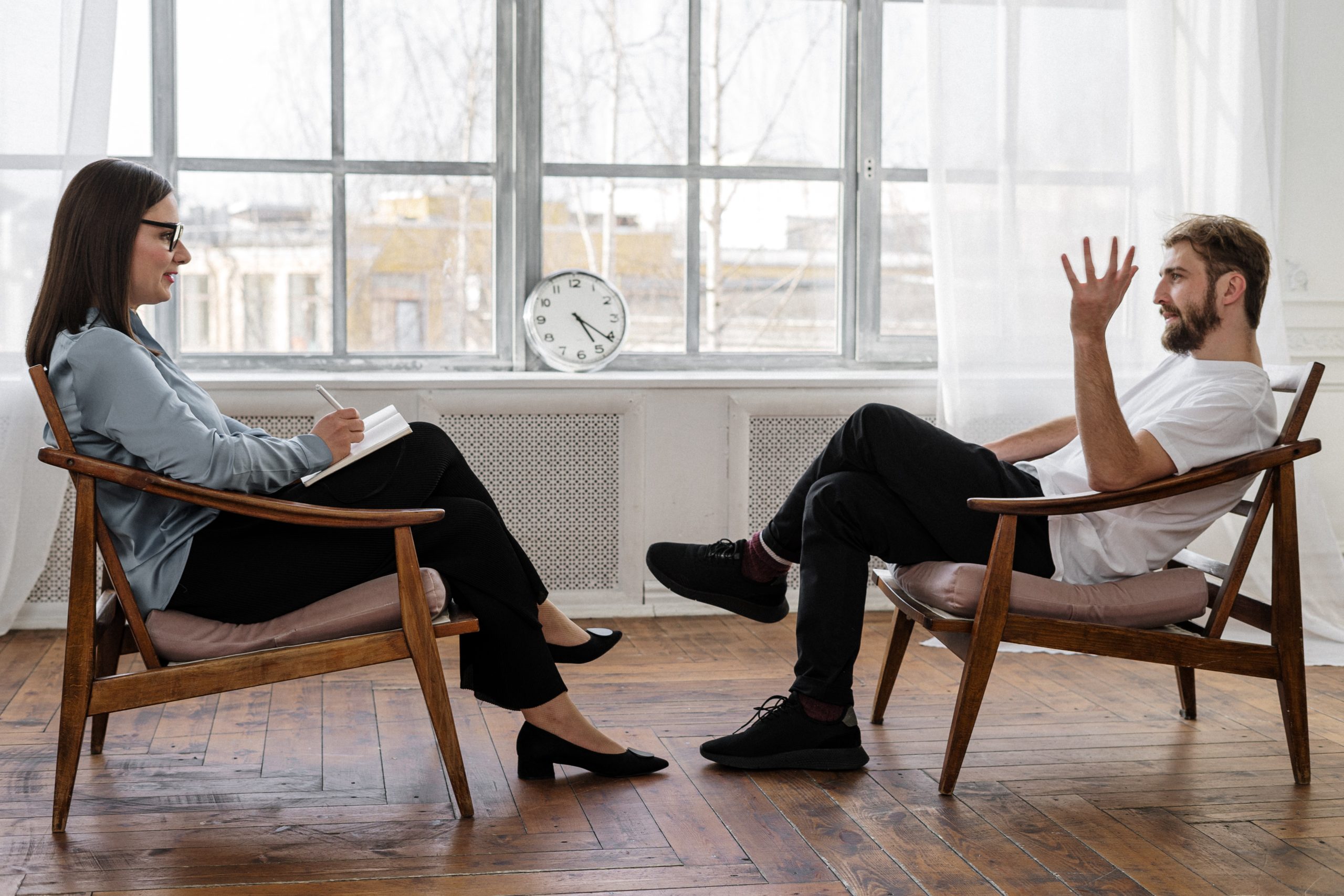
What Is CBT and How Does CBT Help with Anxiety?
Anxiety disorders are extremely common. About 40 million American adults are affected by an anxiety disorder each year. Anxiety disorders can profoundly impact the quality of your life, and even though anxiety is treatable, almost 40% of those with anxiety don’t get the treatment they need. Here at Next Step 2 Mental Health, we know that anxiety can affect many aspects of your life, but with treatment, it’s possible to thrive. Our compassionate team consists of board-certified psychiatrists and licensed psychologists so you can get the anxiety treatment you need, whether that’s medication, therapy, cognitive behavioral therapy (CBT) — or a combination.
If you’re starting to explore your anxiety treatment options, you might wonder what CBT is. In this article, we’ll explore what CBT is and how it fits into your anxiety treatment plan.
What is CBT?
“One of the best treatments for anxiety is cognitive behavioral therapy,” Dr. Dan Guy explains in his course on anxiety and ADHD.
But what is CBT?
CBT is a psychotherapeutic treatment, and it’s used to treat several conditions. CBT can be used to treat anxiety, depression, phobias, and even eating disorders. Regardless of why you’re seeking CBT, it functions under the same principles: you’ll learn how to identify negative thought patterns that increase anxiety, how to change negative thought patterns, and how to make sense of an overwhelming issue by examining its smaller parts.
This therapy is designed to show how situations, automatic negative thoughts (ANTs), emotions (that form as a result of ANTs), physical feelings (that form from emotions), and actions (inspired by our emotions) are all connected. In other words, any thought you have about a particular problem directly affect your feelings about the event and how you feel physically and how you react in response. If you can change your thought patterns and avoid the negative thought patterns, you can start to overcome overwhelming thoughts and situations.

To recap: CBT operates under the theory that psychological problems are based (in part) on faulty thinking batters and unhelpful behaviors. CBT is designed to interrupt this cycle, to reframe thinking patterns and establish more helpful behaviors for coping.
How Does CBT Work?
CBT can help treat your anxiety by focusing on how you think and act but what exactly does that look like in practice? Here’s how CBT works:
1. Identify Negative Thoughts
“To manage anxiety, you’ve got to deal with the ANTs,” Dr. Guy says. The ANTs, of course, refer to automatic negative thoughts, and that’s where therapy starts. You’ll first have to identify the negative (or maladaptive) thoughts.
As you start to explore your negative thought patterns, you’ll also learn how those thoughts contribute to your behaviors.
For instance, if you have social anxiety, simply thinking about giving a speech can cause physical symptoms such as increased heart rate — and this can influence the actions you take. Identifying all of your negative thoughts is a vital component of your therapy and your overall progress.
2. Practice New Skills
Now it’s time to get rid of the ANTs! Once you’ve identified your negative thought patterns, you’ll be able to start implementing new skills. Your specific skills will vary depending on what your specific triggers are.
The key though is that the skills and strategies you learn during CBT sessions can be applied to real-life situations.
3. Monitor Your Progress
Through your journey, you can monitor your progress by setting goals. For example, if social anxiety leads you to avoid all social gatherings, your first goal likely isn’t going to be karaoke night a friend’s house. Instead, you may set smaller goals such as to practice having a quiet conversation with just one or two friends.
Goals aren’t arbitrary. They are specific, realistic, and — most importantly — easily measured. This means you can see and track your own progress easily.
CBT Doesn’t Have to Stand Alone
One of the benefits of CBT is that you don’t have to choose between CBT or other treatments. We can combine CBT with other anxiety treatments, such as lifestyle changes, anxiety prevention strategies, and medication management.
Get the Anxiety Relief You Need
Here at Next Step 2 Mental Health, we want to help you feel better. That’s why we take a multidisciplinary approach when it comes to managing anxiety. From medication management to therapy (including CBT) to online courses, we are with you every step of your journey.
Give us a call at our Louisville, Kentucky office at 502-339-2442, or send us a message to request more information.
You can also request an appointment with our convenient scheduling tool here.
Learn More
7 Ways to Manage Social Anxiety
Did you know that social anxiety is just one type of anxiety? There are five different anxiety disorders: generalized anxiety disorder (GAD), obsessive-compulsive disorder (OCD), post-traumatic stress disorder (PTSD), panic disorder, and social anxiety. Social anxiety, like other forms of anxiety, is characterized by intense worry. In the case of social anxiety, anxiety symptoms are heightened in everyday social situations.
At the Next Step, our team of experts is experienced in diagnosing and treating all types of anxiety. If you experience any of the symptoms of anxiety, we encourage you to visit us so can get the relief you need.
In the meantime, here are seven ways you can manage social anxiety.
1. Try Deep Breathing
Deep breathing exercises can help you reap the benefits of slow, steady breathing. Deep breathing exercises focus on deep breaths from your diaphragm. This is a useful skill as these exercises can also help relax your mind and body in uncomfortable social situations.
To explore two types of deep breathing, watch the video below. We’ll focus on triangle breaths and squares breaths.
WHY IT WORKS
Deep breathing triggers your parasympathetic nervous system and shifts your body away from flight or fight mode. Your parasympathetic nervous system is sometimes called the “rest and digest” system. So when this nervous system is stimulated, your body feels relaxed.
And when your body feels relaxed, your mind also feels relaxed, which can help you cope in social settings.
2. Spot Negative Thoughts (and Create Alternative Thoughts)
Dr. Dan Guy shares the first step to overcoming anxiety: “You’ve got to overcome the ANTS, or automatic negative thoughts.”
Automatic negative thoughts are automatic (and faulty) patterns of thinking can make social anxiety symptoms worse. There are many different types of negative thought patterns, including mind-reading, fortune-telling, and blame.
An ANT could sound like this:
- “Everyone here at this party knows how anxious I am.”
- “The whole restaurant is annoyed that I walked in here. They are all staring directly at me. ”
Negative thought patterns can be very bothersome, and unfortunately, they can become automatic. You can work to identify and overcome negative thought patterns, though. You can overcome negative thoughts by identifying them — and then coming up with alternative thoughts. For example, “Everyone is not ignoring me because I was late. They are simply engrossed in the speaker at the event.”
3. Learn to Face Your Fears
Avoiding social situations might temporarily reduce social anxiety, but in the long run, avoidance can severely impact your quality of life. Learning to face your fears can help you learn to cope so that you can enjoy social outings. If fear of public speaking is on your list, explore ways to face this fear in small, controlled settings. For example, you might volunteer to read the instructions out loud at a family game night. This is a smaller step and much more manageable than jumping into karaoke night with strangers.
There are many little things you can do on a daily basis to help you manage social anxiety. For example, arriving at dinner (or a meeting) early allows you time to mentally prepare. This also gives you the opportunity to greet friends (or co-workers) one at a time as they arrive.
4. Practice Self-Care
Self-care goes a long way in supporting your mental health. This includes:
- Eating a well-balanced diet
- Getting quality sleep each night
Researchers found that inadequate sleep can increase feelings of loneliness and make it harder to connect with others. Aim for 7-9 hours of sleep each night, especially before a big event. A solid diet can support your mood, energize you, and help you avoid blood sugar crashes.
5. Exercise
If you have social anxiety, exercise is helpful in a few ways. Exercise can:
- Relax you
- Boost your mood thanks to endorphins
- Provide an opportunity to practice social skills
- Supports your frontal cortex and strengthens your executive function skills (which then helps you deal with real or potential threats)
Bonus: Exercise in nature, if you can. Studies show that the combination of exercise and nature provides even more anxiety-reducing effects.
6. Learn about Social Anxiety
If you or a loved one struggle with anxiety, it’s important to learn as much as you can about the topic. You can
- Read books (here’s a list of anxiety books recommended by the American Anxiety and Depression Association)
- Take an online course (we have one that covers the link between anxiety and ADHD)
- Talk to your mental health care provider
Tip: Reading about anxiety can help you learn more about the condition, but even the act of reading can help you relax. Reading can relax your calm, reduce your heart rate, and ease the tension in your muscles. Researchers from the University of Sussex determined that reading can reduce stress levels by nearly 70%, according to a 2009 study. It works better and faster than other relaxation methods, like listening to calming music. Although, you can pair hot tea, calming music, and reading for a great relaxing activity.
7. Seek Help When You Need It
Even if you implement these strategies for reducing anxiety, you still might benefit from professional help. Remember, asking for help is never a sign of weakness. Here at Next Step 2 Mental Health, we provide comprehensive and compassionate anxiety treatment — no matter which type of anxiety you have. Whether you’ve been struggling with anxiety for years or current events have triggered your anxiety, we can help you feel better.
Give us a call at our Louisville, Kentucky office at 502-339-2442, or send us a message to request more information.
You can also click here to request an appointment with our convenient scheduling tool here.
References:
- https://www.hhs.gov/answers/mental-health-and-substance-abuse/what-are-the-five-major-types-of-anxiety-disorders/index.html
- https://www.sciencedaily.com/terms/parasympathetic_nervous_system.htm#:~:text=The%20parasympathetic%20nervous%20system%20is,muscles%20in%20the%20gastrointestinal%20tract.
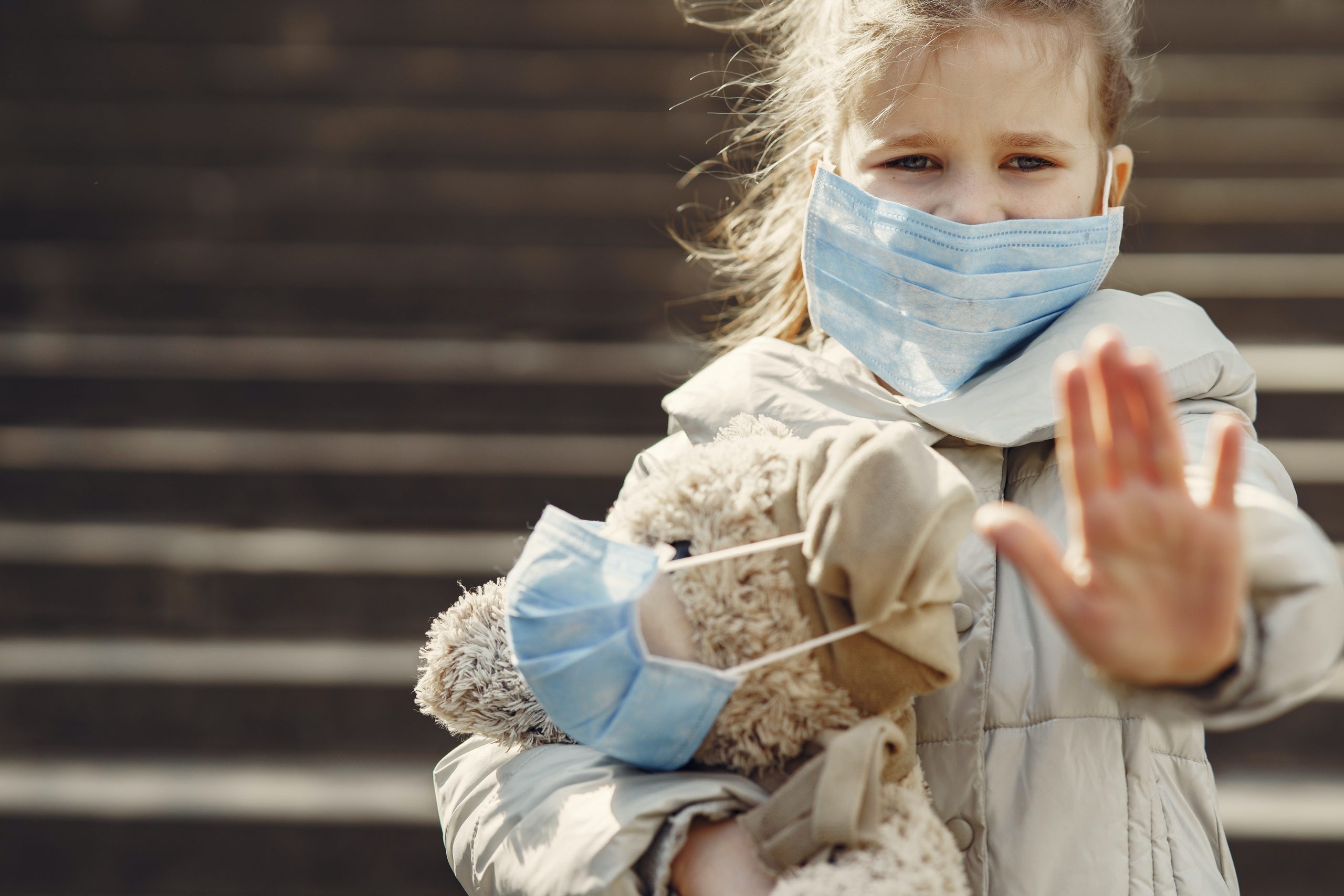
13 Ways to Help Children Cope with Back-to-School Anxiety
An upset stomach. Nightmares. Unrelenting desire to avoid school. Difficulty sleeping. Temper tantrums and crying outbursts. These are all examples of how anxiety can manifest in children. Sometimes, these signs of anxiety are attributed to other causes i.e., a stomachache from eating a rich meal before bed. Anxiety can be hidden in plain sight, but as we enter back-to-school season, you might start to see the signs of back-to-school anxiety.

Mental healthcare providers have noted a 17% increase in anxiety cases in children in the past decade, according to the Child Mind Institute. And the current pandemic has only contributed to the increasing spike in anxiety cases, according to the Centers for Disease Control and Prevention. Anxiety in children is treatable, but because it can be hidden or missed, as many as 80% of children aren’t getting the anxiety treatment they need.
As your child is preparing to go back to school, you might start to see signs of anxiety. Anxiety is more than just worries — it can affect your child’s personal life as well as academic performance.
Children who are worried and anxious aren’t doing it to get out of going to school. In fact, your child’s nervous system functions all on its own, especially when it comes to worry and fear. If your child senses fear, his or her nervous system kicks into action and triggers fight or flight reflexes. This is why phrases like “don’t worry” or “just relax” or “calm down” aren’t helpful — even though they seem like the right thing to say.
With a little practice and guidance from you, your child can learn to slow down his or her anxious brain. Here are a few ways you can help your child manage back-to-school anxiety this fall.
1. Practice Deep Breathing Exercise
When children feel anxious, they may subconsciously take shallow, quick breaths. These chest breaths can increase heart rate, muscle tension, and even contribute to dizziness. Taking slow, deep breaths can help you shift from chest breathing to abdominal breathing. When children slow down their breathing, it helps to shift out of flight or fight mode so their body can relax. Isn’t science cool?! Slow, deep breaths — that’s the key!
You can do square breathing or triangle breathing, or you can follow along with guided meditations. The following videos are cute ways to introduce the idea of deep belly breathing to young children.
Rainbow Breathing
Whale Breath Singalong
Once your child learns how to belly breathe, he or she can practice deep breaths before bed — or any time during the school day when he needs a quick reset.
2. Spend Time in Nature
Nature is healing, and it can do wonders for easing anxious thoughts. Sometimes children benefit from simply changing up the scenery. This is especially helpful if your child is participating in e-learning and just needs to get out of the house. As your child breathes in the fresh air, feels the breeze rustle his hair, or listens to the birds chirp, his thoughts are gently calmed.
This is a great opportunity to practice a grounding technique. Monica Clark, LPA, explains this technique:
If you find yourself beginning to lose focus, ground yourself in the moment. One effective grounding technique is the 5-4-3-2-1 Game. In this technique, you ground yourself in the physical environment by naming:
- 5 things you can see
- 4 things you can hear
- 3 things you can feel against your skin
- 2 things you can smell
- 1 thing you can taste
Ask your child to describe the smells, find green leaves, describe the texture of a pebble.
3. Talk about What Anxiety Is
“Anxiety is often regarded as something that is bad and should be eradicated completely. However, anxiety by itself isn’t necessarily bad. Anxiety is actually an emotion that helps us take care of dangerous situations — and respond to those situations. If we are aware of a potentially dangerous situation, we can avoid harm,” says Dr. Dan Guy.
In other words, worry and fear is designed to help us avoid potentially dangerous situations. For example, a stray dog charging at your may instill fear, and it’s that fear that ignites flight or fight mode — so you can take flight to safety. Problems arise when anxiety and fear is triggered outside of dangerous situations — like feeling physically anxious even if there isn’t a dog nearby.
It’s tempting to remove all anxiety triggers from your child because — as parents — we don’t want our child to be unhappy, but the goal is to help your child manage anxiety because experiencing some degree of anxiety is part of what it means to be human. For example, if your child is feeling anxious about this school year, he or she may ask to skip a day of school. While skipping a day of school might temporarily ease his mind, it won’t be helpful in the long-term nor will it help him manage anxiety. Instead, it’s more helpful to teach a child how to manage anxiety.
Explore this great article of what you should (and shouldn’t) do when your child has anxiety.
4. Fit Fitness into Your Schedule
Exercise is good for your body and mind — and that’s true for children too. The above video depicts an easy at-home workout that your child can perform after work, but that’s not the only option. Other good-for-the-brain exercises include:
- Hiking
- Playing sports like soccer or basketball (even if it’s in your backyard)
- Rollerblading
- Biking
- Dancing
- Jump rope
Walking around the block or playing tag in the yard are good options too!
5. Go for a Walk Around the Block
We just talked about the importance of exercise, and this tip combines an exercise (walking) with some quality one-on-one time. If you go for a walk-and-talk with your child, you’ll experience three key benefits:
- A walk around the block removes your child from his environment ( a fresh scenery is always helpful)
- The quality time allows your child to express his or her feelings and frustrations and worries
- The exercise produces “happy” endorphins to lift your child’s mood

6. Think Positive by Introducing a Gratitude Journal

Keeping a gratitude journal is a great way to combat anxious thoughts. In fact, writing in a gratitude journal is shown to improve emotional resilience and reduce stress. There are many ways to keep a gratitude journal, but here are some tips:
- Journal first thing in the morning to start the day on a positive note
- End the day with a quick reflection about things you were grateful for over the course of the day
- If your child can’t write yet, she or he can draw pictures instead
You can download our free printable Gratitude Journal. Print out the journal and let your child explore the concept of gratitude. With 50+ pages, your child will have nearly two months of journaling!
7. Focus on Good Nutrition
Good nutrition impacts your mental health too! In fact, there are plenty of tasty brain-healthy foods, such as:
- Salmon
- Yogurt
- Turmeric
Not all kids enjoy salmon, but a yogurt-lemon-dill sauce may make the salmon more appetizing for kids. You can also make salmon loaf, which eliminates the fish texture that children might not like.
TIP: If your child has a stomachache caused by anxious thoughts, she or he may not feel like eating. If that’s the cause, offer more bland foods or a warm cup of chamomile tea.
8. Read a Story
Children can learn important life lessons through reading — plus, reading is a good bonding activity! Review this list of books via WeAreTeachers, and you might discover some great books for kids with anxiety.
9. Create a Safe Space
If your child is feeling overwhelmed, he or she may benefit from a cozy place to unwind after school. From fidget spinners to books to coloring books, this can be a great way for kids to process all of their thoughts after school — rather than jumping right into homework or chores.
10. Ask for Individual Accommodations
For some children, accommodations at school can make all the difference when it comes to anxiety. For example, if a student struggles with performance anxiety, he or she may not do well when taking tests. Some students benefit from individual accommodations such as extended time on tests. For other accommodations for kids who struggle with anxiety, check out this list from The Children’s and Adult Center for OCD and Anxiety.
11. Help Your Child Practice Good Sleep Hygiene
Poor sleep and anxiety often go hand-in-hand. Anxious thoughts can make it difficult to sleep, and poor sleep can exacerbate the symptoms of anxiety. Help your child practice good sleep hygiene, including:
- Going to bed at the same time every night
- Using warm-colored lights during his or her bedtime routine
- Sleeping in a cool, dark room
12. Go Over New Changes
Reduce back-to-school anxiety by going over any new changes with your child. Maybe your child feels unsure about the new rules at school. Be sure your child understands what the new rules are (when to wear masks, etc) to help cut back on some “fear of the unknown.” If your child is participating in e-learning, ask your child if he would like to review any of the technology. Sometimes just a quick refresher on what’s expected can go a long way in feeling confident about the new school year.
13. Reach Out to Your Child’s Mental Health Care Provider
The good news about anxiety is that it can be treated with therapy, medication, and lifestyle changes. With the right support and strategies, most children are able to develop strategies that help them manage their anxiety both in the classroom and at home.
Here at Next Step 2 Mental Health, we provide comprehensive mental health care for children (and adults too!). Whether your child is just now experiencing anxiety for the first time, or is seeing a resurgence in symptoms, we can help your child get the relief s/he deserves. Call 502-339-2442 or send us a message to request more information.
You can also request an appointment easily here. Learn More
Do Warm-Colored Lights Help Sleep?
Perhaps you’ve noticed that e-readers, smartphones, and other tablets have an option called “night mode” — have you ever wondered what “night mode” is and why the screen turns orange? What’s up with these warm-colored lights?
There’s a lot of discussion about warm-colored lights and how they affect your ability to get a good night of sleep. Getting a good night of sleep is critical for your physical and mental well-being. According to researchers, many conditions, including depression, anxiety, and ADHD, can interfere with your sleep so it’s essential to prioritize quantity and quality sleep.
And the big question is: can warm-colored lights really help you sleep better?
To get to the bottom of this question, we spoke with Monica Clark, LPA to get some answers.
What Exactly Is a Warm-Colored Light?
“To fully understand the role that warm-colored (red, orange, and yellow) light plays in sleep, it is important to first understand your body’s natural circadian rhythms and how various types of light affect sleep-wake cycle,” Monica says. She continues, “Circadian rhythms are basically your body’s 24-hour clock that helps you to naturally alter between sleepiness and alertness at regular intervals. It is commonly referred to as your sleep-wake cycle. Circadian rhythms are impacted by both natural and artificial light. With regard to natural light, when your brain, the hypothalamus to be more precise, receives a message from your eyes that it is dark, your brain stimulates the production of melatonin, leading to sleepiness.
In the modern-world, we are surrounded by artificial lighting 24-hours per day. A large percentage of this artificial light utilizes LED technology, which research has shown to emit blue light. LED lighting is found in many light bulbs, but also in back-lit electronics, such as televisions, computer screens, tablets, smart phones, and e-readers. Using these devices or being in a room lit with LED bulbs can serve to increase alertness and arousal in the brain and have a negative impact on sleep. [7] Research has supported that the brain is most sensitive to the impact of artificial light during the evening hours. [1] Additionally, there is some research to suggest that artificial green light, especially during evening hours, serves to decrease natural production of melatonin in the brain at similar levels to the blue light spectrum. [3][4][8]

As opposed to the cool-light spectrum, lighting using colors on the warm spectrum, which includes yellow, orange, and red tones, demonstrated health improvements. Research suggests that warm-light tones do not negatively impact melatonin secretion [6] and, in another study, Lin et al. [5] found that being in a room illuminated with lights on the warm light-spectrum increased production of both melatonin and glutamate, a neurotransmitter that plays an important role in learning and memory. Despite these benefits, however, there is research that suggests that exposure of high levels of any light color decreases subjective feelings of sleepiness and increases feelings of vigilance and arousal [2]; so, even while using beneficial warm lighting, it is important to focus on keeping the lighting low and dim.
So, what does this mean? Based upon current research, the best suggestion is to use bright, cool tones during daytime hours to increase alertness. During the darker, evening hours, when melatonin production and secretion is vital, switching to dim, warmer tones of lighting may create some benefit for sleep.”
How to Implement These Suggestions into Your Life
Now that we know how cooler tones affect your circadian rhythm, what can you do to increase your quality of sleep at night?
Here are Monica’s suggestions:
- Eliminate or decrease the use of back-lit electronics devices in the one to two hours before bed. This continues to be the strongest recommendation to minimize the impact of artificial light on sleep.
- If you absolutely cannot unplug completely, the use of red, orange, or yellow tinted glasses or screen covers filters some, but not all, blue light. Red lenses and covers have shown to also filter some green light as well.
- Switch some light fixtures in your home from bright, white lights to dim, warm-toned lights. Two hours before bed, switch off the white lighting and turn on warmer lighting. However, remember to use dim, not bright lights, regardless of the color.
If you’re reading on an e-reader or your smartphone, be sure to adjust the settings. It might say “Night Shift” or “Night Mode” depending on what device you’re using. See below for an example of what that looks like.

Is Something Else Affecting Your Ability to Sleep?
If you use warm-colored lights at night and practice good sleep hygiene, but still struggle to get a good night of sleep, it’s worth mentioning to your mental healthcare provider. Racing thoughts, insomnia, and anxious thoughts can keep you from a peaceful night of sleep. According to the National Alliance on Mental Health, about 50% of insomnia cases are connected to psychological distress, anxiety, or depression. If a mental health condition or past trauma is keeping you from getting the sleep you deserve, you may benefit from treating the underlying condition. Cognitive-behavioral therapy, for example, can help you control the unwanted thoughts that keep you awake at night.
Post-traumatic stress disorder (PTSD) and panic disorder are also known for causing nightmares and night terrors. According to the US Department of Veteran Affairs, as many as 96% of those with PTSD experience nightmares. Treatment for PTSD or panic disorder can also help eliminate nightmares and other sleep problems associated with the condition.
Here at Next Step 2 Mental Health, we provide comprehensive mental health care. Whether anxiety, trauma, PTSD, or other forms of psychological distress are impacting your ability to sleep, we can help you get the relief you need. Call 502-339-2442 or send us a message to request more information.
About Monica Clark
 Monica Clark is a Licensed Psychological Associate who focuses on treating children and adolescents struggling with anxiety, depression, and trauma-related emotional struggles. Monica uses Cognitive-Behavioral Therapy and trauma-focused therapy to help children and teens learn to self-regulate and have greater control over their thoughts and behaviors.
You can request an appointment with Monica here.
References
- Blume, C., Garbazza, C., & Spitschan, M. (2019). Effects of light on human circadian rhythms, sleep, and mood. Somnologie, 23(3), 147-156.
- Figueiro, M. G., Bierman, A., Plitnick, B., & Rea, M. S. (2009). Preliminary evidence that both blue and red light can induce alertness at night. BMC neuroscience, 10, 105.
- Gooley, J.J., Rajaratnam, S.M.W., Brainard, G.C., Kronauer, R.E., Czeisler, C.A., & Lockley, S.W. (2010). Spectral Responses of the Human Circadian System Depend on the Irradiance and Duration of Exposure to Light. Science Translational Medicine, 2(31), 31-33.
- Horne, J.A., Donlon, J., & Arendt, J. (1991). Green Light Attenuates Melatonin Output and Sleepiness during Sleep Deprivation. Sleep, 14(3), 233-240.
- Lin, J., Ding, X., Hong, C. et al. (2019). Several biological benefits of the low color temperature light-emitting diodes based normal indoor lighting source. Scientific Reports, 9, 7560.
- Morita T, Tokura H. (1996) Effects of lights of different color temperature on the nocturnal changes in core temperature and melatonin in humans. Applied Human Sciences, 15(5), 243-246.
- Thomas, Liji. (2019). Artificial Light Exposure and Circadian Rhythm. News-Medical. Retrieved from https://www.news-medical.net/health/Artificial-Light-Exposure-and-Circadian-Rhythm.aspx.
- Wright HR, Lack LC. (2001) Effect of light wavelength on suppression and phase delay of the melatonin rhythm. Chronobiol Int. 18(5):801-808.
How to Tell If You Have a Social Anxiety Disorder
It’s normal to experience occasional nervousness in social situations. For example, you might feel butterflies if you’re going on a first date, or if you have to give an important presentation at work. However, occasional nervousness isn’t the same thing as social anxiety disorder. With social anxiety disorder, everyday social situations can create stress and anxiety that disrupts your life.
The good news is that social anxiety disorder (sometimes called social phobia) can be treated, but the first step is to get a proper diagnosis.
So how do you know if you have social phobia? We’ve got the answers here.
Symptoms of Social Anxiety Disorder
All of us experience uncomfortable emotions to some degree on a daily basis. This can include:
- Unease
- Apprehension
- Worry
- Nervousness
With periodic stressors, the body only has episodic reaction to the stressors. It’s not on-going. For instance, after your big presentation at work, you no longer feel stressed or uneasy. The uncomfortable feelings end when the periodic stressor stops. When anxiety symptoms develop into ongoing states of distress, it can lead to a diagnosis. With social anxiety disorder, you might feel these uncomfortable emotions just thinking about social situations. The on-going stress and anxiety can disrupt your life.
Signs and symptoms of social phobia include emotional, physical, and avoidance symptoms.

Emotional symptoms
Emotional symptoms include:
- Fear of social situations (fear of being judged)
- Anxiety about embarrassing yourself
- Fear of talking (or interacting) with strangers
- Replaying social interactions over and over in your head
- Feeling anxiety in anticipation of social interactions
- Fearing future events
Physical symptoms
Physical symptoms of social anxiety include:
- Blushing
- Flushed face or neck
- Intense sweating
- Shaky voice when speaking
- Upset stomach
- Rapid heartbeat
- Dizziness
Avoidance symptoms
Social phobia can impact the quality of your life, especially if you avoid activities or events that trigger anxiety. Avoidance symptoms include:
- Avoiding activities that require interaction with others (such as going to the grocery store, speaking to a waitress, etc.)
- Cancelling events with friends or family
- Avoiding any situation in which you might be the center of attention (public speaking, giving a speech, etc.)
Can children experience social anxiety? Yes. Children might refuse to speak, hide behind parents, and have a temper tantrum.
Treating Social Anxiety Disorder
Left untreated, social phobia can lead to low self-esteem, poor social skills, and difficulty maintaining relationships. The good news is that social anxiety disorder can be treated. Like all anxiety disorders, individuals with social phobia can benefit from mental health care. Common treatments include:
- Psychotherapy, including cognitive behavioral therapy (CBT)
- Medication (You can learn about medication management here.)
You can also reduce stress and anxiety by making time for activities you do enjoy, keeping a journal, and regularly practicing stress management techniques. According to the Anxiety and Depression Association of America, exercise (including gentle walking) can help boost your mood and reduce stress. [1]
Can a Pandemic Trigger Social Anxiety?
Pandemics can be stressful on individuals and entire families. Over the past few months, we’ve learned about a new disease — and a whole host of new social conventions. We’ve learned about social distancing, isolation, and how often (and what) items needs to be disinfected. According to the Centers for Disease Control and Prevention (CDC), stress, depression, and anxiety are increasing. [2]
Many individuals find that going into public right now can be scary… but can a pandemic trigger social anxiety?
To find out, we asked Dr. Brian Briscoe.
Let’s start with a correct definition of social anxiety. DSM V defines social anxiety as a “A persistent fear of one or more social or performance situations in which the person is exposed to unfamiliar people or to possible scrutiny by others…that is persistent, typically lasting 6 or more months.”
I do not have evidence that social anxiety will necessarily increase in post-pandemic times, but I do suspect that we may see an increase in overall rates of anxiety disorders in general.
Why?
Based on a study recently published in JAMA, we know that U.S. adults are experiencing a significantly higher degree of psychological distress during the Covid public health crisis. [3]
It is quite likely that higher rates of psychological distress will trigger existing pre-existing mental illness within vulnerable persons, and may also lead to the development of new mental illness, which include many anxiety disorders such as panic disorder, agorophobia, and PTSD – to name a few.
In my clinical practice, I have personally witnessed the stress/distress of Covid-19 trigger worsening symptoms in persons who struggle with a numeber of anxiety disorders such as Generalized Anxiety Disorder, PTSD, and Panic Disorder.
The good news is that we have treatments for these situations.
How Do You Tell the Difference Between Social Anxiety and Generalized Anxiety?
If you’re struggling with ongoing states of distress and feelings of anxiety, how do you know if you’re dealing with social anxiety or generalized anxiety?
Dr. Briscoe explains the difference:
Persons who struggle with generalized anxiety disorder tend to struggle with a broad variety of worries. They might:
- Have trouble turning their mind off
- Worry about lots of things
- Sweat the small stuff
- Worry about school, bills, finances, relationships, lots of things.
The worry may sometimes cause restlessness, fatigue, difficulty concentrating, irritability, or trouble sleeping.
Persons who struggle with social anxiety (a.k.a. social phobia), on the other hand, tend to experience a high degree of anxiety primarily in social settings, or in situations in which they fear they will be scrutinized or ‘judged’ by others.
Some people who struggle with social anxiety also struggle with generalized anxiety and vice versa, but not always.
Explore Your Next Steps
At NextStep 2 Mental Health, we provide comprehensive and compassionate anxiety treatment. Whether you’ve been struggling with generalized anxiety or social anxiety disorder, we can help you feel better. Give us a call at our Louisville, Kentucky office at 502-339-2442, or send us a message to request more information.
You can also request an appointment with our convenient scheduling tool here.
About Dr. Briscoe
 Dr. Brian Briscoe is a board-certified psychiatrist and the medical director of adult programs. Dr. Briscoe was voted a “Top Doctor” by Louisville Magazine. You can make an appointment with Dr. Briscoe here .
References:
- https://adaa.org/living-with-anxiety/managing-anxiety/exercise-stress-and-anxiety
- https://www.cdc.gov/coronavirus/2019-ncov/daily-life-coping/managing-stress-anxiety.html
- Emma E. McGinty, Rachel Presskreischer, Hahrie Han, Colleen L. Barry. Psychological Distress and Loneliness Reported by US Adults in 2018 and April 2020. JAMA, 2020; DOI: 10.1001/jama.2020.9740

What is Mental Health?
Mental health is the state of well-being in which people understand their own potential, are capable of dealing with life’s stresses and challenges,
Learn More